English
 English

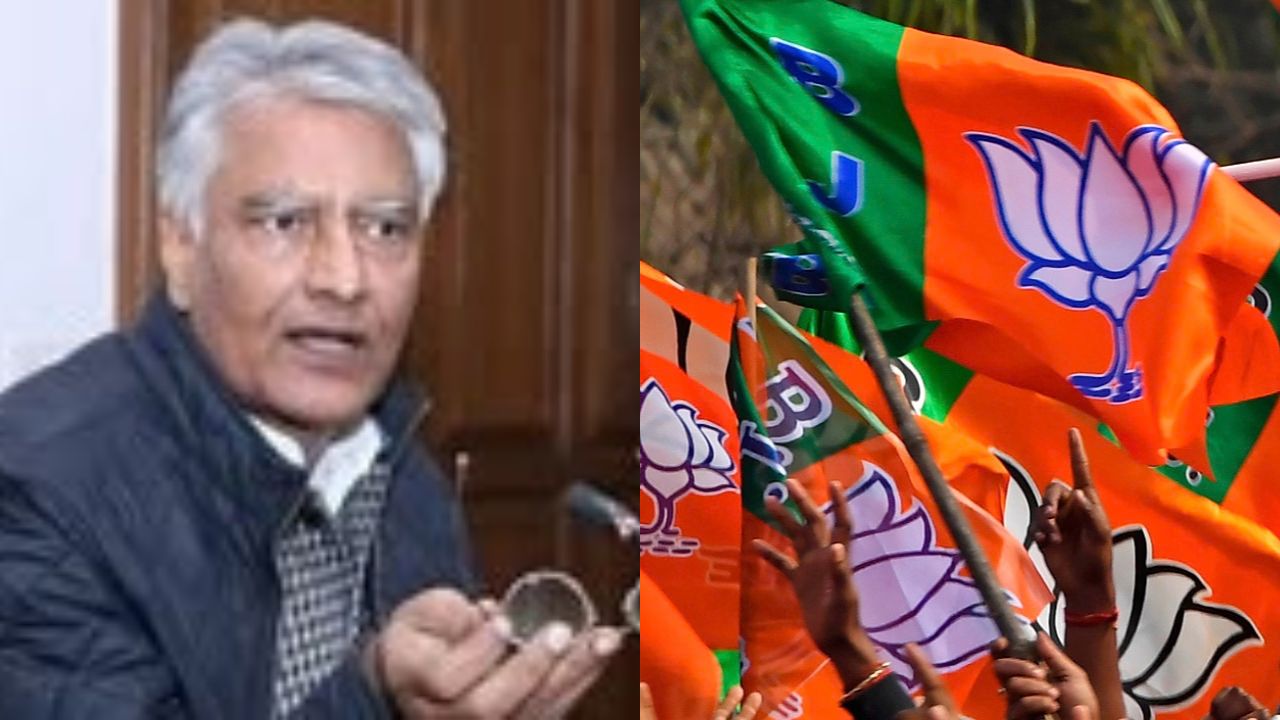
BJP and SAD explore a political reunion ahead of Punjab's 2027 elections. (Img: X)
New Delhi: The Bharatiya Janata Party (BJP) and the Shiromani Akali Dal (SAD) are moving closer to reviving their political alliance ahead of the 2027 Punjab Assembly elections, with discussions between the erstwhile partners reportedly reaching an advanced stage.
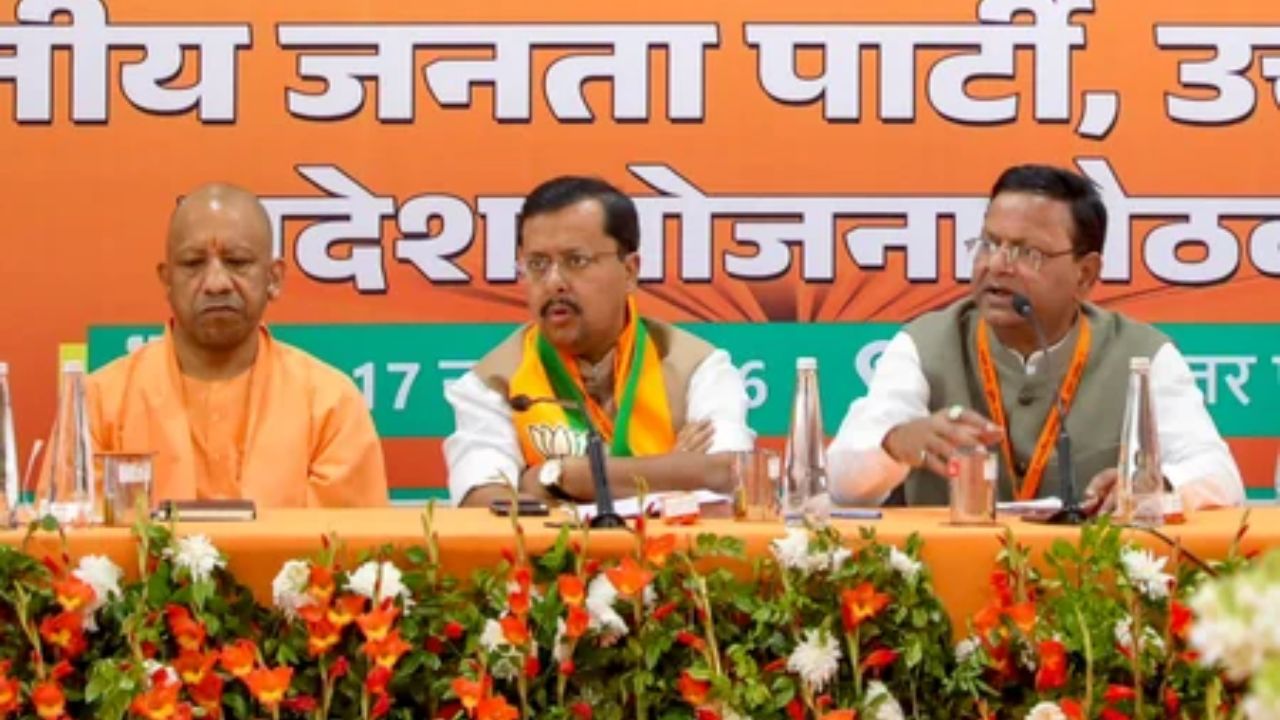
The proposed reunion comes at a crucial juncture for both parties as they seek to challenge the ruling Aam Aadmi Party (AAP) and the Congress in the 117-member Punjab Assembly. Senior leaders of the two parties are expected to hold a high-level meeting later this week to discuss the contours of the proposed arrangement, including seat-sharing.
The BJP and SAD had ended their decades-old alliance in 2020 following disagreements over the Centre's now-repealed farm laws, which triggered widespread protests among farmers.
Electoral Setbacks Prompt Fresh Political Calculations
The prospect of reconciliation is rooted in the electoral reverses suffered by both parties since their separation.
The SAD's performance in the 2022 Assembly elections marked a historic low, with the party managing just three seats compared to 15 in 2017. Its strength has subsequently weakened further, with the party currently having only two legislators in the Assembly.
The BJP, meanwhile, secured just two seats in the 2022 elections, having contested independently after the breakdown of its alliance with the Akalis. The party had won three seats in 2017 when it was part of the alliance.
The electoral decline is also reflected in their respective vote shares. The SAD's share dropped from 25.24 per cent in 2017 to 18.38 per cent in 2022, while the Congress saw its vote share fall from 30.5 per cent to 22.98 per cent. The AAP, on the other hand, registered a sweeping victory in 2022, winning 92 of the state's 117 Assembly constituencies and securing 42.01 per cent of the votes.
A renewed alliance could offer complementary electoral advantages to both parties. The SAD has traditionally enjoyed considerable influence among rural voters, farming communities and sections of the Sikh electorate. The BJP, meanwhile, has maintained a stronger presence in urban and industrial constituencies.
A partnership could help the BJP expand its reach into rural Punjab, while the Akali Dal could benefit from the BJP's organisational network and national political influence. For the SAD, which has been struggling to retain its traditional support base amid internal divisions and the emergence of competing Akali factions, an alliance could provide an opportunity to regain political relevance.
The BJP also has reasons to reconsider its earlier partnership. Despite improving its vote share after the split, the party has found it difficult to translate its growing electoral support into victories in parliamentary and Assembly constituencies.
The distribution of constituencies is likely to be among the most contentious aspects of the proposed arrangement. Under their previous electoral understanding, the BJP generally contested around 23 Assembly seats, while the SAD fielded candidates in the remaining 94 constituencies. However, the BJP is understood to be seeking a substantially larger share this time, reflecting its ambition to emerge as a more influential political force in Punjab.
The ongoing discussions reportedly involve a formula under which the BJP could contest nearly twice the number of seats it previously received, while the SAD may be allocated around 70 to 75 constituencies. The outcome of the Shiromani Gurdwara Parbandhak Committee (SGPC) elections could also influence the Akali Dal's bargaining position, particularly in determining its political standing among Sikh voters.
Punjab's predominantly rural population makes the proposed alliance particularly significant from an electoral perspective. Of the state's 2.77 crore population, approximately 1.73 crore people reside in rural areas. More than half of Punjab's 117 Assembly constituencies fall within rural regions, making agricultural communities and rural voters an important electoral constituency.
The SAD has historically drawn considerable support from these areas, particularly among farming communities. The BJP's traditional electoral strength, by comparison, has largely been concentrated in urban centres.
The proposed understanding could allow the two parties to combine their respective support bases and offer a more consolidated challenge to their political opponents. However, the AAP's sweeping victory in 2022 demonstrated that traditional electoral divisions between rural and urban constituencies can be overcome.
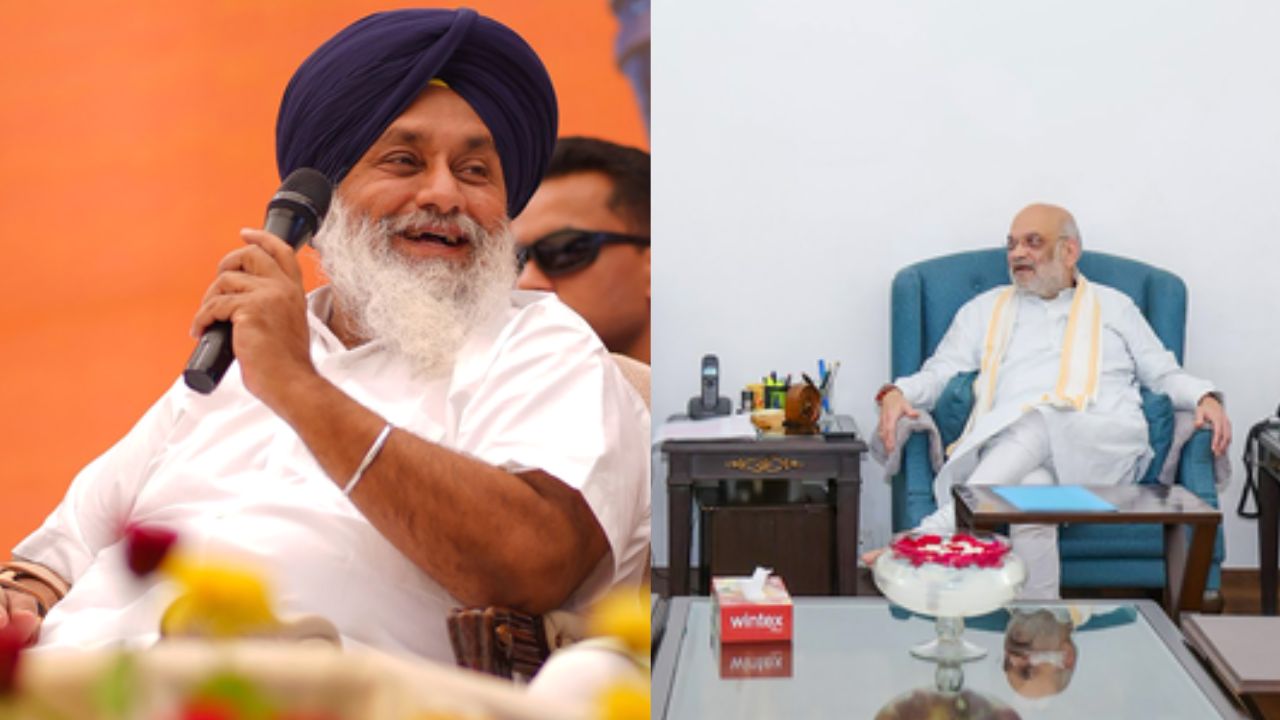
Apart from seat-sharing, the question of who would lead the alliance in the event of an electoral victory could emerge as another major hurdle. The SAD is expected to seek the projection of its president, Sukhbir Singh Badal, as the alliance's Chief Ministerial face, particularly if it agrees to contest fewer constituencies than under the previous arrangement.
The BJP, however, may be reluctant to concede this demand given its expanding political ambitions in the state and its desire to establish itself as a dominant force in Punjab. The two parties will also have to address the political fallout of their proposed reunion. The SAD had walked out of the alliance in 2020 over the farm laws, which had become a major source of public anger in Punjab.
The AAP and Congress are likely to use the renewed proximity between the two parties to question the SAD's political position on the farmers' agitation and its decision to return to the BJP-led camp. With the 2027 Assembly elections approaching, the proposed alliance could significantly reshape Punjab's electoral contest. However, its eventual success will depend not merely on combining vote banks but also on resolving differences over constituency allocation, leadership and the political legacy of their separation.