 English
 English

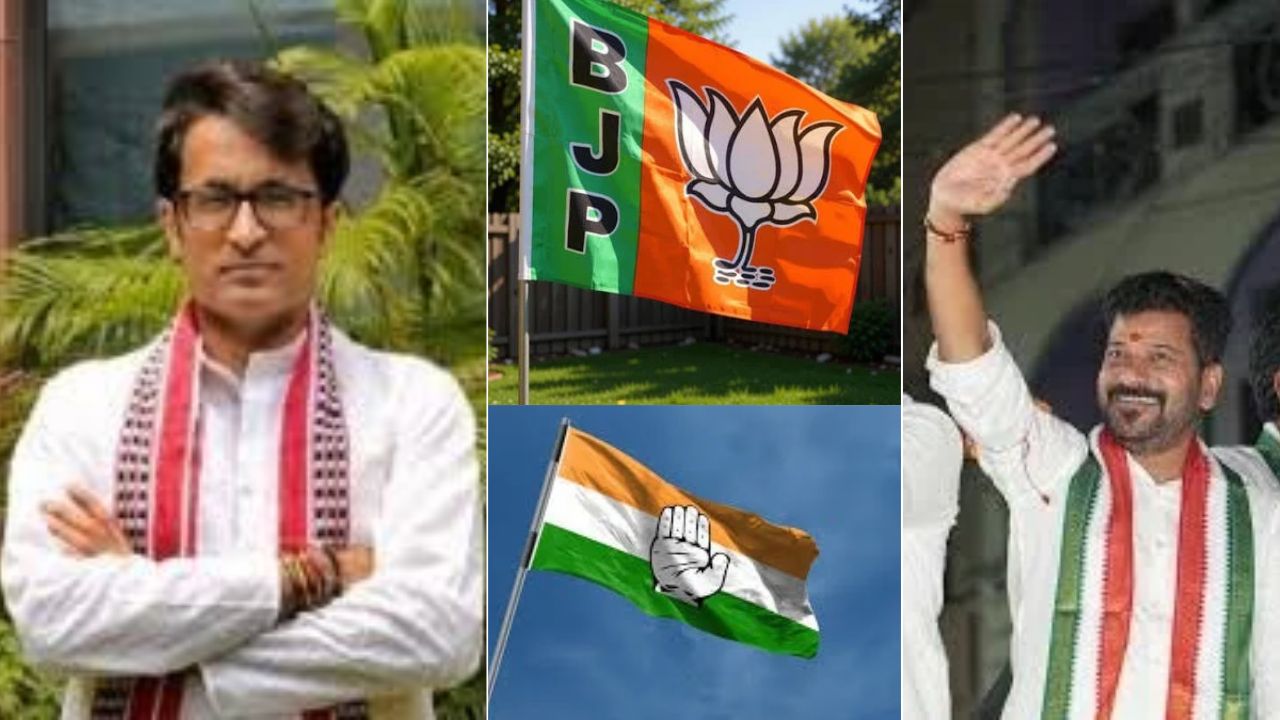
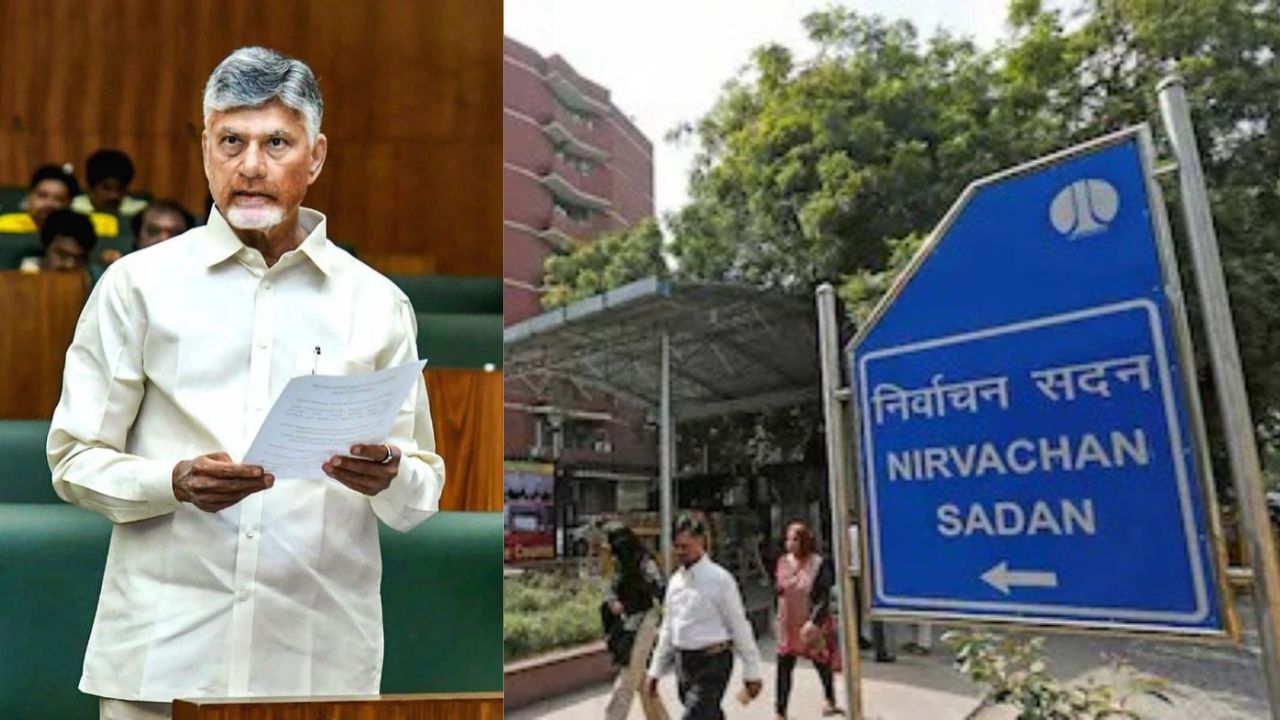
Revanth Reddy’s Ram-Shiva remarks trigger a fresh political battle between Congress and BJP. (Img: X)
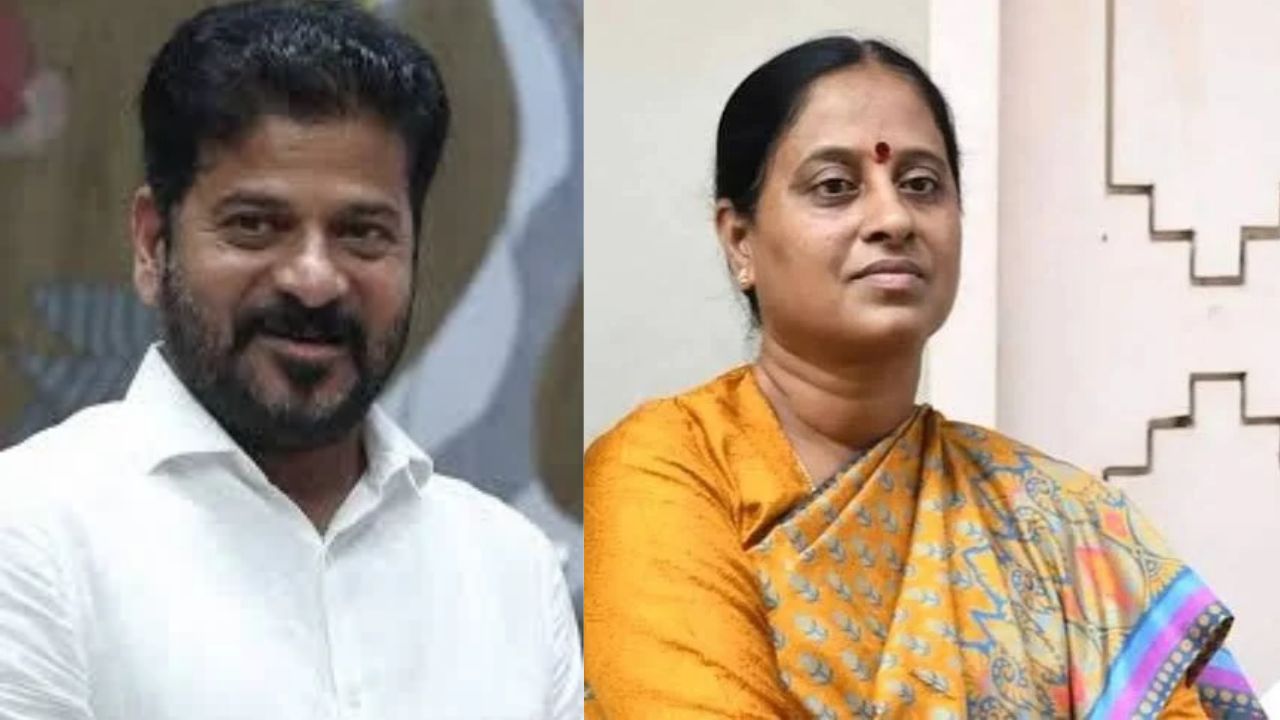
Hyderabad: Telangana Chief Minister A Revanth Reddy’s remarks on Lord Ram and Lord Shiva have triggered a fresh political storm, with the BJP launching a sharp counterattack against the Congress leader. The controversy has brought religion, regional identity and electoral rhetoric back into the centre of India’s political discourse.
The debate erupted after Reddy, while speaking at a media conclave in New Delhi, questioned the political use of religious symbols and commented on the way Lord Ram and Lord Shiva are referenced in public life. His remarks triggered a strong response from the BJP, which accused him of creating a distinction between two widely revered Hindu traditions.
The political exchange has now expanded beyond the original comments, with both sides presenting different narratives around culture, identity and representation ahead of upcoming electoral battles.
## Revanth Reddy’s Ram-Shiva Comment Triggers Congress-BJP Clash
During the event, Revanth Reddy spoke about differences in political messaging between North and South India. He questioned why the slogan Jai Shri Ram is frequently used by BJP leaders at public events and asked why Har Har Mahadev does not receive similar prominence.
Reddy linked the discussion with regional and social identities and alleged that the BJP had turned Lord Ram into a political symbol.
The comments quickly gained attention because religious symbols have remained an important part of political communication in India, with parties often using cultural references while connecting with voters.
The BJP rejected Reddy’s remarks and argued that Lord Ram and Lord Shiva are worshipped across India without any regional, economic or social division.
## BJP Launches Sharp Counterattack Against Telangana CM
The BJP responded strongly to the Telangana chief minister’s comments, accusing him of attempting to create a political divide around religious traditions.
Union Minister Bandi Sanjay Kumar criticised Reddy’s remarks and said that Lord Ram and Lord Shiva cannot be separated on the basis of geography, class or political ideology.
The BJP leader highlighted Telangana’s own religious heritage, pointing towards major temples associated with both deities. He referred to the Vemulawada Rajarajeshwara Temple, popularly known as Dakshina Kashi, and the Bhadrachalam Temple, an important centre of Lord Ram devotion in South India.
The BJP also pointed to Prime Minister Narendra Modi’s association with Kashi Vishwanath Temple in Varanasi and visits to prominent Shiva temples while responding to Reddy’s remarks.
## Why Lord Ram Has Deep Cultural Importance In North India
The political controversy has once again brought attention to the cultural importance of Lord Ram in India.
Lord Ram is widely worshipped across the country, but North India has developed a particularly strong cultural tradition around Ram through temples, literature, festivals and community celebrations.
Devotees traditionally worship Lord Ram as Maryada Purushottam, representing values of duty, righteousness, sacrifice and ideal leadership. The Ramayana describes his journey from Ayodhya, his exile, his battle with Ravana and his return to the kingdom.
Ayodhya in Uttar Pradesh remains one of the most significant pilgrimage centres for Ram devotees. The city has gained renewed religious importance after the construction and inauguration of the Ram Mandir.
The Ram tradition has deeply influenced cultural practices across Uttar Pradesh, Bihar, Madhya Pradesh, Rajasthan, Uttarakhand and other regions.
Festivals such as Ram Navami and Diwali are celebrated with religious ceremonies, prayers and community gatherings. Ramlila performances, which narrate episodes from the Ramayana, remain an important cultural tradition in many northern states.
The Ramcharitmanas written by poet Tulsidas also played a major role in spreading devotion towards Lord Ram among Hindi-speaking communities.
## How Lord Shiva Became A Major Symbol Of South Indian Devotion
Lord Shiva has an equally deep connection with India’s religious traditions, especially in South India where Shaivite culture has flourished for centuries.
Across Tamil Nadu, Karnataka, Telangana, Andhra Pradesh and Kerala, Shiva is worshipped in several forms including Mahadev, Nataraja, Dakshinamurthy and regional manifestations.
Tamil Nadu has a rich Shaivite heritage, with the Nayanar saints contributing significantly to Shiva devotion through devotional poetry and spiritual movements between the 6th and 9th centuries.
South India is home to several historic Shiva temples, including the Brihadeeswarar Temple, Chidambaram Nataraja Temple, Arunachaleswarar Temple and Ramanathaswamy Temple at Rameswaram.
The Pancha Bhoota Sthalam temples represent Shiva’s connection with the five elements of nature — earth, water, fire, air and space — and remain important pilgrimage destinations.
Devotees worship Shiva through rituals such as Abhishekam, offering water, milk, flowers and Bilva leaves to the Shiva Lingam. The chanting of Om Namah Shivaya and celebrations of Maha Shivratri remain central parts of Shiva devotion.
## Ram And Shiva Traditions Go Beyond Regional Boundaries
While political debates often focus on regional identities, the traditions of Lord Ram and Lord Shiva have historically spread across India.
Lord Ram has major centres of worship in South India, including the Bhadrachalam Temple in Telangana and the Ramanathaswamy Temple in Rameswaram, which is linked with Ramayana traditions.
Similarly, Lord Shiva has some of the most important pilgrimage centres in North India, including Kashi Vishwanath Temple in Varanasi and Kedarnath in Uttarakhand.
For centuries, pilgrimage routes, devotional literature, music, festivals and spiritual movements have connected different regions of India.
## Religion And Political Messaging Become A Fresh Flashpoint
The controversy highlights the continuing role of religious symbols in Indian politics, where parties often use cultural references while shaping their electoral narratives.
The Congress has framed the discussion around representation, social issues and political messaging, while the BJP has accused the opposition party of using religious references for political mobilisation.
The latest face-off reflects how issues involving culture, identity and faith continue to influence political conversations.
## Revanth Reddy Also Raises SIR And Delimitation Issues
During the same interaction, Revanth Reddy also raised concerns over the Special Intensive Revision (SIR) of electoral rolls and the issue of political representation.
He questioned the possible impact of population-based delimitation on southern states and called for wider opposition coordination.
The BJP has rejected these allegations and defended the electoral process.
## What Happens Next
The Congress-BJP confrontation over Revanth Reddy’s Ram-Shiva remarks is expected to continue as political parties sharpen their narratives around culture, identity and governance.
The controversy has also renewed public interest in understanding how Lord Ram and Lord Shiva have remained central figures in India’s religious and cultural landscape for centuries.