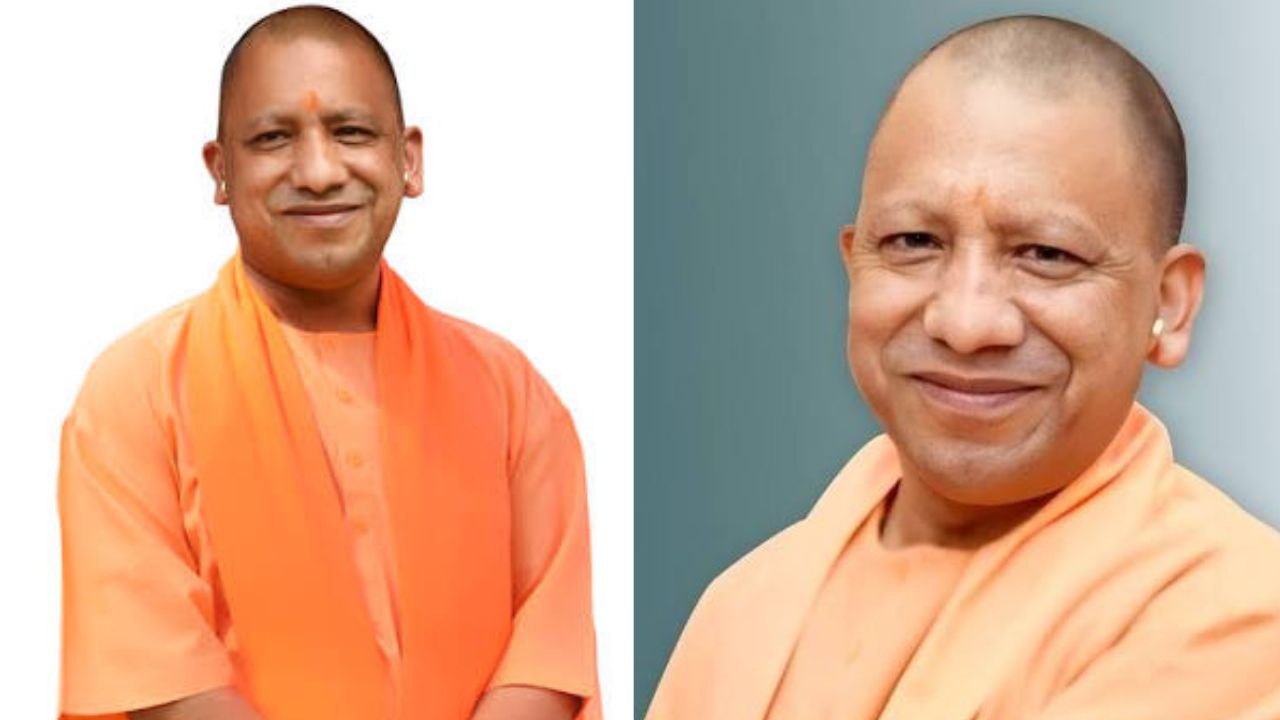
Yogi Adityanath government announces a 3% DA hike, raising the allowance for eligible UP employees to 63%. (Img: X)
Lucknow: The Uttar Pradesh government, led by Chief Minister Yogi Adityanath, on Saturday announced a 3 percent increase in Dearness Allowance (DA) for eligible state government employees, delivering a significant financial boost ahead of the festive season. The revision raises the DA rate from the existing 60 percent to 63 percent and will take effect retrospectively from July 1, 2026.
Employees will receive the enhanced DA along with their regular salary for November 2026. The government has also laid down separate arrangements for settling the arrears accumulated between July and October, depending on employees' pension and provident fund arrangements.
The decision is expected to benefit a wide range of government personnel across Uttar Pradesh, including regular state employees and staff members of aided educational and technical institutions, urban local bodies and other eligible establishments.
The 3% DA revision extends beyond regular state government employees. The revised rate will also apply to employees of aided educational and technical institutions, regular and full-time personnel working in urban local bodies, work-charged employees and those drawing salaries under University Grants Commission (UGC) pay scales, subject to the provisions of the government order.
With the revised rate, eligible employees will receive DA at 63% of their basic pay instead of 60%. The increase is intended to provide relief against the impact of inflation and rising household expenditure. The retrospective implementation date of July 1 means employees will also be entitled to arrears for the period preceding the November salary payment.
The government order provides for the settlement of DA arrears for the four-month period from July 1 to October 31, 2026. However, the arrears will not be disbursed in the same manner to all employees.
The payment mechanism will depend on whether an employee falls under the General Provident Fund (GPF) or National Pension System (NPS). Separate provisions have also been made for employees who have retired or are due to retire shortly.
These arrangements determine how much of the arrears will be credited to retirement-related accounts and how much will be made available through other financial instruments or cash payments.
For employees covered under the General Provident Fund (GPF), the arrears will be credited to their respective GPF accounts, subject to prescribed limits and after deductions towards income tax and applicable surcharge.
According to the government order, the amount credited under this arrangement will remain in the employees' GPF accounts until November 1, 2027. Rules governing final withdrawal will apply in exceptional circumstances.
This means eligible GPF subscribers will receive the enhanced DA in their November salary, while the arrears for the July-October period will be channelled into their provident fund accounts under the prescribed conditions.
Employees covered under the National Pension System (NPS) will receive their arrears through a different mechanism involving their Tier-I pension accounts and designated savings instruments.
Under the prescribed arrangement, 10% of the arrears will be credited to the employee's Tier-I NPS account. The state government, in its capacity as the employer, will contribute an additional 14% of the arrears to the same Tier-I account.
The remaining 90% of the arrears will be deposited in a Public Provident Fund (PPF) account or provided in the form of National Savings Certificates (NSCs). If NSCs are unavailable, the corresponding amount will be paid in cash.
The arrangement separates the employee's retirement-linked contribution from the remaining arrears, which will be settled through the specified savings options or cash, depending on availability.
In a significant provision for employees approaching the end of their service, the Uttar Pradesh government has allowed full cash payment of DA arrears to specified retirement categories. The benefit covers employees whose service has ended, including those who retired between July 1, 2026, and the date on which the government order was issued.
Employees scheduled to retire within the next six months will also receive their entire eligible DA arrears in cash. This provision offers direct financial relief to retirees and employees nearing retirement, who would otherwise be subject to the separate GPF or NPS arrears arrangements.
The increase from 60% to 63% will raise the DA component of eligible employees' salaries from November 2026. Since the revised rate is effective from July 1, employees will also be entitled to the corresponding arrears for July, August, September and October. The actual financial benefit will vary according to an employee's basic pay and applicable service and payment conditions. The distinction between GPF and NPS arrangements is particularly important because it determines how the accumulated arrears will be credited or disbursed.
With the government order now issued, employees will look to their respective departments and drawing and disbursing authorities for implementation of the revised DA rate and settlement of arrears in accordance with the prescribed provisions. The decision provides festive-season relief to eligible state employees while extending specific financial provisions to pension-linked categories and those retiring around the implementation period.

