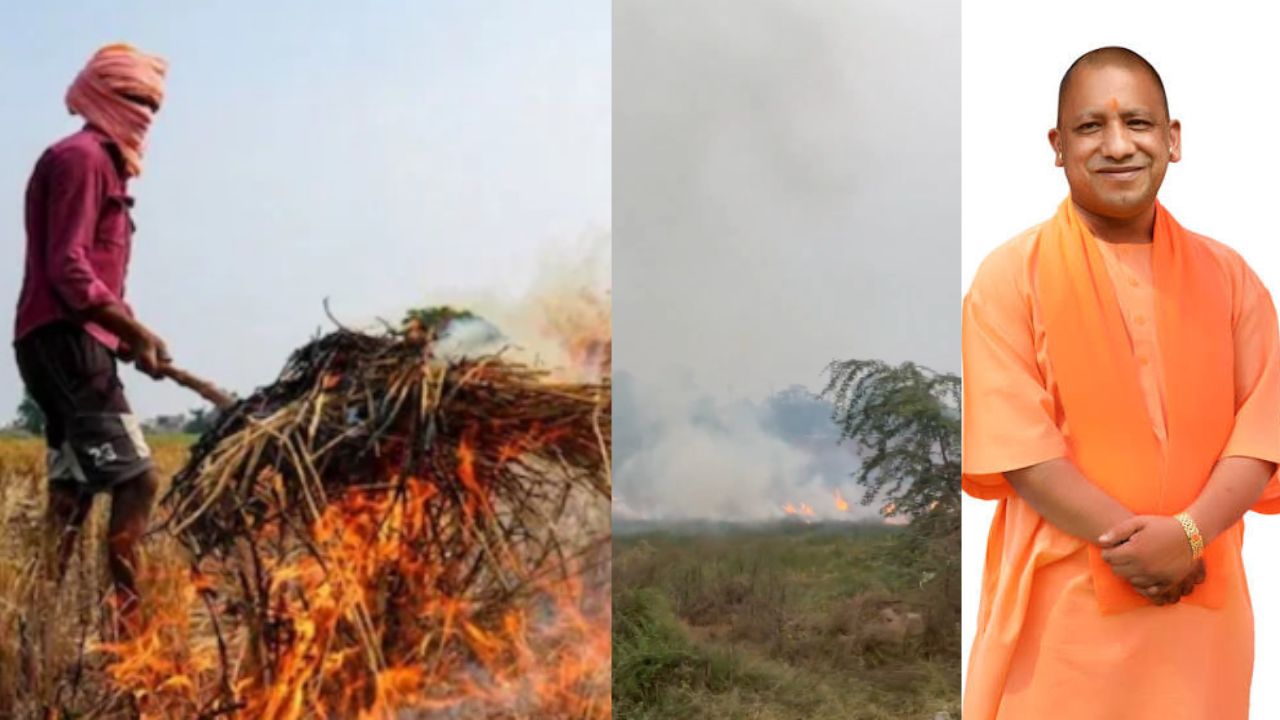
From agricultural waste to green energy: Uttar Pradesh turns crop residue into a potential income source for farmers under CM Yogi Adityanath's initiative. (Img: X)
Lucknow: The state of Uttar Pradesh is reshaping the economics of crop-residue management by turning agricultural waste into a commercially valuable resource, offering farmers an alternative to the costly and environmentally damaging practice of stubble burning.
Under Chief Minister Yogi Adityanath's stubble-management initiative, crop residue is being collected from agricultural fields and channelled into compressed biogas (CBG) plants, where it is converted into an alternative source of energy. The initiative is designed to address multiple challenges simultaneously, including farm-management expenses, air pollution, soil degradation and the need for additional rural employment.
The scale of the programme is expanding, with 40 biogas plants currently operational across Uttar Pradesh and another 78 proposed for establishment. The government is seeking to build an integrated agricultural supply chain in which crop residue becomes a resource for the energy sector rather than a liability for farmers. Barabanki is emerging as an important example of how this model is being implemented on the ground.
For farmers who need to prepare their fields quickly after harvesting, the disposal of crop residue has traditionally been a costly and time-consuming exercise. Yogesh, a farmer from Karamatkheda village in Harkh block of Barabanki, cultivates three crops annually: wheat, paddy and potato. Earlier, the residue left behind after harvesting created difficulties in preparing his fields for the next sowing cycle.
Farmers faced a difficult choice. Burning stubble exposed them to the possibility of penalties and contributed to environmental pollution, while manually clearing or removing the residue involved additional expenditure and could delay subsequent agricultural operations.
Under the new collection arrangement, stubble is removed soon after harvesting, enabling farmers such as Yogesh to prepare their land for the next crop without prolonged delays. Another farmer, Balram from Tikra village, has highlighted the financial relief associated with the arrangement. According to him, removing stubble from one acre of agricultural land earlier involved expenditure of approximately Rs 2,500 to Rs 3,000.
The collection and transportation arrangements linked to biogas plants have reduced this disposal burden. Instead of spending money on clearing crop residue, farmers can have it collected for productive utilisation. Where procurement and supply arrangements are in place, farmers also have the opportunity to earn additional income from crop residue.

