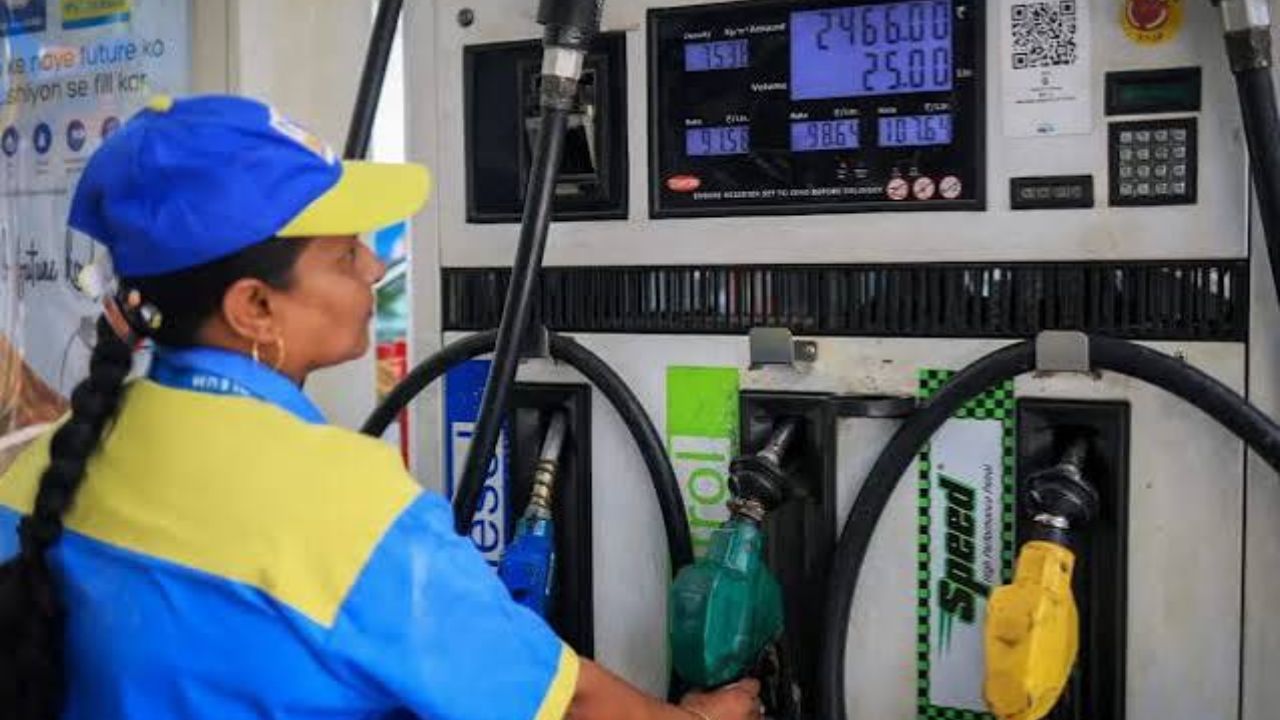
Supreme Court Hears BPCL Plea on Ethanol Allocation. (Image Internet)
New Delhi: The Supreme Court on Tuesday heard a petition filed by Bharat Petroleum Corporation Limited (BPCL) concerning the ethanol allocation process for the 2025–26 supply year. During the proceedings, the Central government reiterated that its target of achieving 20% ethanol blending in petrol remains firmly in place.
Appearing before the Bench, Attorney General R. Venkataramani described the nationwide ethanol blending programme as a significant initiative and said its long-term results would become clearer over the coming year.
The matter arises from a Karnataka High Court order directing authorities to reopen the ethanol allocation process for the 2025–26 supply cycle.
BPCL has argued that reopening the completed allocation process could affect the implementation of the Centre’s national ethanol blending programme and create uncertainty for oil marketing companies.
During the hearing, the Supreme Court asked why the petitioners had not first approached the Division Bench of the Karnataka High Court before moving the apex court.
The Attorney General informed the court that ethanol supply contracts for the relevant period had already been finalised in October 2025.
He also pointed out that similar legal challenges are currently pending before several High Courts across the country. According to the Centre, separate proceedings on the same issue could result in conflicting judicial orders and affect the implementation of a uniform national policy.
To address this concern, the government sought permission to file a transfer petition so that all related cases could be heard together.
However, senior advocate Siddharth Dave opposed the request, arguing that such a move would unnecessarily delay the ongoing proceedings.
After hearing both sides, the Supreme Court issued notice in the matter and directed that the existing status quo be maintained until the next hearing.
Following the proceedings, Attorney General Venkataramani clarified that his submissions related only to the allocation and supply of ethanol and not to any change in the government's blending policy.
He emphasised that the Centre remains committed to achieving 20% ethanol blending in petrol. At the same time, he noted that the quantity of ethanol allocated to oil marketing companies would continue to depend on demand, operational requirements and supply conditions.
The case is expected to have wider implications for India's ethanol blending programme and future allocation policies.

