India is poised to overtake Japan and become the world’s third-largest economy
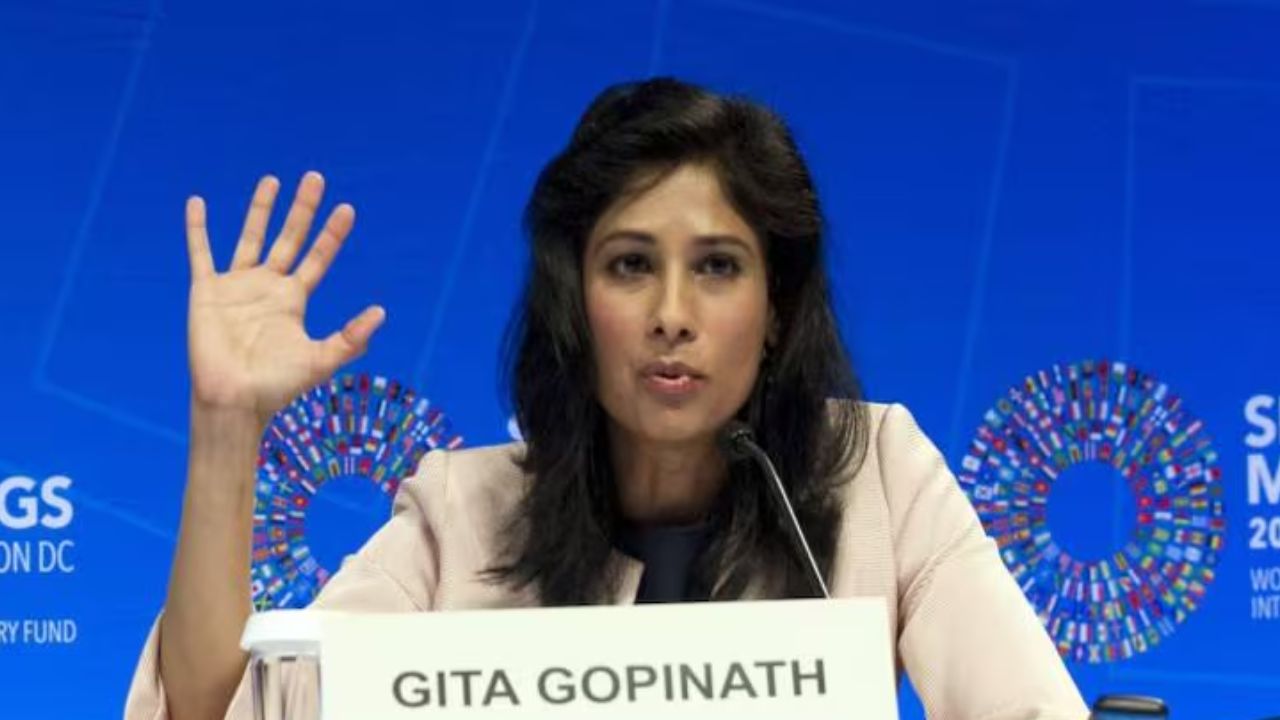
Davos: India is on track to surpass Japan and emerge as the world’s third-largest economy in the coming years, according to Gita Gopinath, Ex Chief Economist of the International Monetary Fund (IMF). Speaking at the World Economic Forum 2026, Gopinath said that India’s rise in global GDP rankings is “almost certain,” given its current growth trajectory and macroeconomic stability.
However, she cautioned that while headline economic rankings are important, India’s larger challenge lies in improving per capita income and ensuring inclusive, long-term development.
Gopinath emphasised that becoming the third-largest economy should not be viewed as the final goal. “The real question is how fast India can raise living standards,” she noted, adding that per capita income growth will be crucial if India is to meet its ambitious target of becoming a developed nation by 2047.
Geopolitical tensions loom as Davos WEF 2026 opens under ‘Spirit of Dialogue’ motto
Despite strong aggregate growth, India still trails many advanced economies in income levels, making structural reforms and productivity gains essential for sustained progress.
Praising India’s reform efforts over the past decade, Gopinath highlighted major improvements in infrastructure development, tax reforms such as the Goods and Services Tax (GST), and the expansion of digital public infrastructure.
She said initiatives like digital payments, direct benefit transfers, and identity-linked services have strengthened efficiency and inclusion across the economy. These reforms, she noted, have helped India maintain strong growth even amid global economic uncertainty.
At the same time, Gopinath pointed to persistent bottlenecks that could slow India’s long-term growth if left unaddressed. Among the most pressing issues are land acquisition hurdles, rigidities in the labour market, and delays within the judicial system.
She stressed that improving labour market flexibility and accelerating dispute resolution would help unlock private investment and boost job creation.
Davos 2026: What to expect, who’s coming; All you need to know about the annual meet
The importance of investing in human capital was also highlighted. Enhancing education quality, expanding skilling programmes, and aligning workforce capabilities with the needs of a modern economy will be critical as India seeks to absorb millions of young workers entering the labour force each year.
India’s growth prospects remain strong, but sustaining momentum will require steady reforms rather than dramatic policy shifts. Consistency, institutional strengthening, and a focus on productivity will determine whether India can convert its economic scale into widespread prosperity.
As India moves closer to becoming the world’s third-largest economy, the challenge ahead is not just growing bigger but growing better.

