English
 English

Dalal Street braces for a cautious trading session as investors await the US midterm election outcome. (Img: Pinterest)
Mumbai: Indian equity markets are likely to begin Wednesday's trading session on a cautious note, with benchmark indices Sensex and Nifty facing the prospect of a weaker opening after four consecutive sessions of gains. Investors are closely monitoring the outcome of the 2026 US midterm elections, with the potential political and economic implications expected to influence global market sentiment, energy prices and investment flows.
Early indications from the derivatives market point towards a subdued start for Dalal Street. GIFT Nifty futures stood at 23,711 at 7:51 am IST on Wednesday, signalling a possible gap-down opening for the benchmark Nifty 50, which settled at 23,810.85 in the previous session.
The cautious outlook comes after a strong rally in Indian equities, with both the Nifty 50 and BSE Sensex gaining approximately 5 per cent over the last four trading sessions. The indices closed at their highest levels in nearly two months on Tuesday, supported by encouraging corporate earnings, declining crude oil prices and preliminary signs of a recovery in foreign institutional investment.
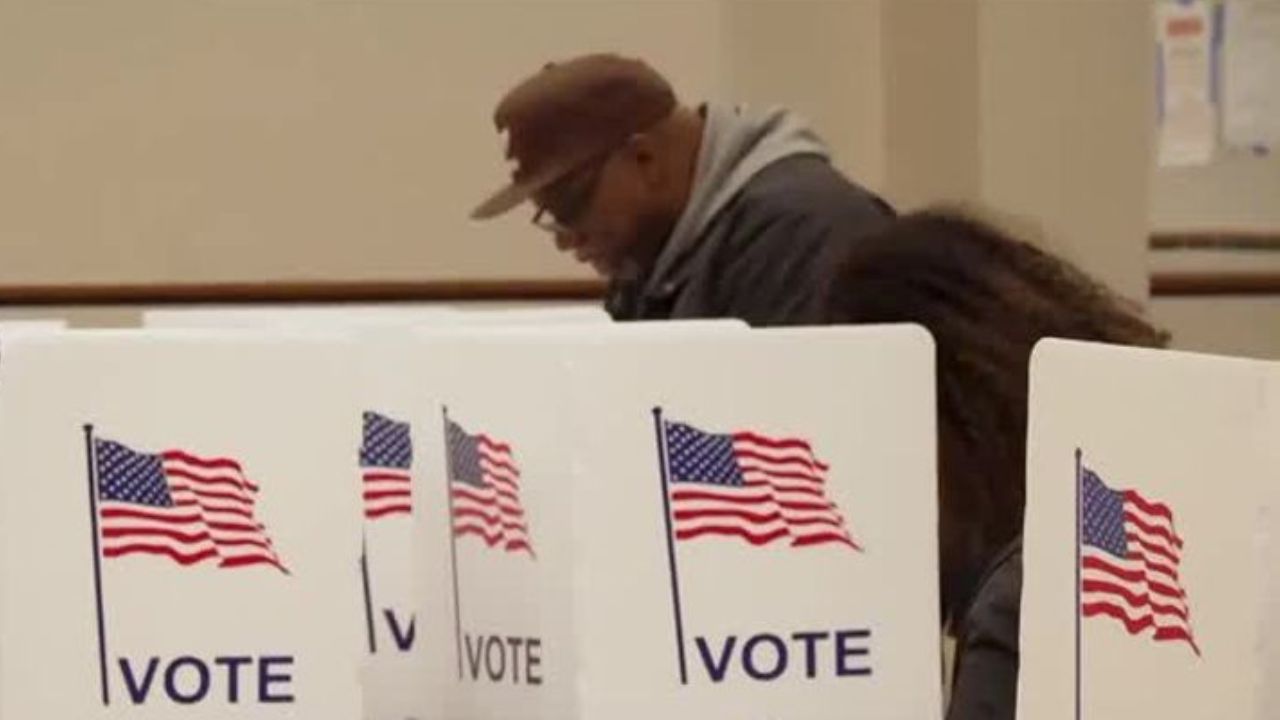
The 2026 US midterm elections have emerged as a major global market trigger, with investors assessing the possible consequences of a change in political control of the US Congress.
The electoral outcome could have far-reaching implications for several sectors and policy areas, including the ongoing geopolitical conflict in the Middle East, international energy markets, the expansion of artificial intelligence infrastructure and the fiscal outlook of the United States.
For Indian equity investors, these developments carry particular significance because movements in global crude oil prices, foreign investment flows and international technology spending can influence domestic market valuations and sectoral performance.
Higher energy prices have remained a concern for Indian equities this year, given India's exposure to imported crude oil. An increase in international oil prices can raise the country's import bill, put pressure on the current account balance and contribute to inflationary pressures. It can also affect corporate input costs, transportation expenses and profitability across energy-intensive industries.
The domestic market's relatively limited exposure to AI-linked stocks has also weighed on investor sentiment this year, particularly as global equity markets have increasingly benefited from the artificial intelligence investment cycle and the expansion of technology infrastructure.
The derivatives market indicated a cautious start for Indian equities on Wednesday. GIFT Nifty futures were trading at 23,711 at 7:51 am IST, compared with the Nifty 50's previous closing level of 23,810.85.
The indication suggested that benchmark indices could surrender some of their recent gains as investors adopt a wait-and-watch approach ahead of the US election outcome.
However, the anticipated weakness follows a significant recovery in domestic equities. The Nifty 50 and BSE Sensex have advanced nearly 5 per cent over four consecutive trading sessions, reaching two-month closing highs on Tuesday.
The recent rally has been supported by stronger-than-expected corporate earnings, easing crude oil prices and early indications that foreign investors are gradually returning to Indian equities.
Market participants will now assess whether these positive domestic factors can provide sufficient support to absorb volatility arising from international developments.
Foreign institutional investment activity has provided another encouraging signal for the domestic market.
According to provisional exchange data, foreign investors were net buyers of Indian equities worth Rs 68.37 billion, equivalent to approximately Rs 6,837 crore, on Tuesday. They have remained net buyers in five of the last six trading sessions.
The improvement in foreign portfolio investment flows is significant after sustained periods of overseas investor selling had weighed on domestic benchmark indices. A continued recovery in foreign institutional investor participation could support market liquidity, strengthen investor confidence and provide additional momentum to large-cap stocks.
Nevertheless, the sustainability of these inflows will depend on several external factors, including US monetary and fiscal developments, global bond yields, crude oil prices, currency movements and the relative attractiveness of Indian equity valuations.
International crude oil prices remained another important factor for domestic market sentiment. Brent crude futures hovered around USD 103 per barrel on Wednesday after touching a nearly four-week low during the previous trading session. Investors were assessing diplomatic developments and discussions aimed at ending the conflicts involving Ukraine and Iran. Any indication of de-escalation in these geopolitical tensions could influence expectations regarding global oil supply, shipping routes and energy market stability.
For India, which relies heavily on imported crude oil, movements in international energy prices have direct implications for inflation, the fiscal balance, the rupee and corporate earnings. Lower crude oil prices generally provide relief to oil-importing economies by reducing the import bill and easing cost pressures on sectors such as aviation, paints, chemicals, logistics and manufacturing. Conversely, a sustained rise in energy prices could create fresh challenges for India's macroeconomic outlook.
Despite the possibility of a weaker opening, market participants believe that improving foreign investment trends, easing energy prices and expectations surrounding potential tax-policy developments could help support domestic equities.
Ponmudi R, CEO of wealth technology platform Enrich Money, said that signs of a possible moderation in sustained foreign investor outflows, alongside softer energy prices and optimism around potential tax-policy developments, could provide support to domestic market sentiment.
These factors could help limit the impact of short-term volatility triggered by international political developments. However, investors are likely to remain selective, particularly in sectors sensitive to crude oil prices, global demand, currency fluctuations and foreign capital movements.
The cautious mood was also visible across international markets on Wednesday. Asian equities declined approximately 0.7 per cent, while US stock futures edged lower as investors focused on the possibility of Democrats gaining control of Congress from President Donald Trump's Republican Party.
The US midterm elections are being closely monitored by global financial markets because the composition of Congress can influence the administration's legislative priorities, fiscal policy decisions and regulatory framework.
For Indian markets, the immediate direction will depend on the interaction between global political uncertainty and improving domestic fundamentals, including corporate earnings and foreign investment activity.
With the recent rally pushing benchmark indices to two-month highs, investors are likely to monitor global cues, crude oil movements, institutional flows and the US election outcome before taking fresh positions. The Wednesday trading session is therefore expected to reflect a combination of profit-booking, global risk assessment and cautious positioning as Dalal Street responds to developments in the world's largest economy.