Maharashtra, MP and Chhattisgarh declared Naxal-free
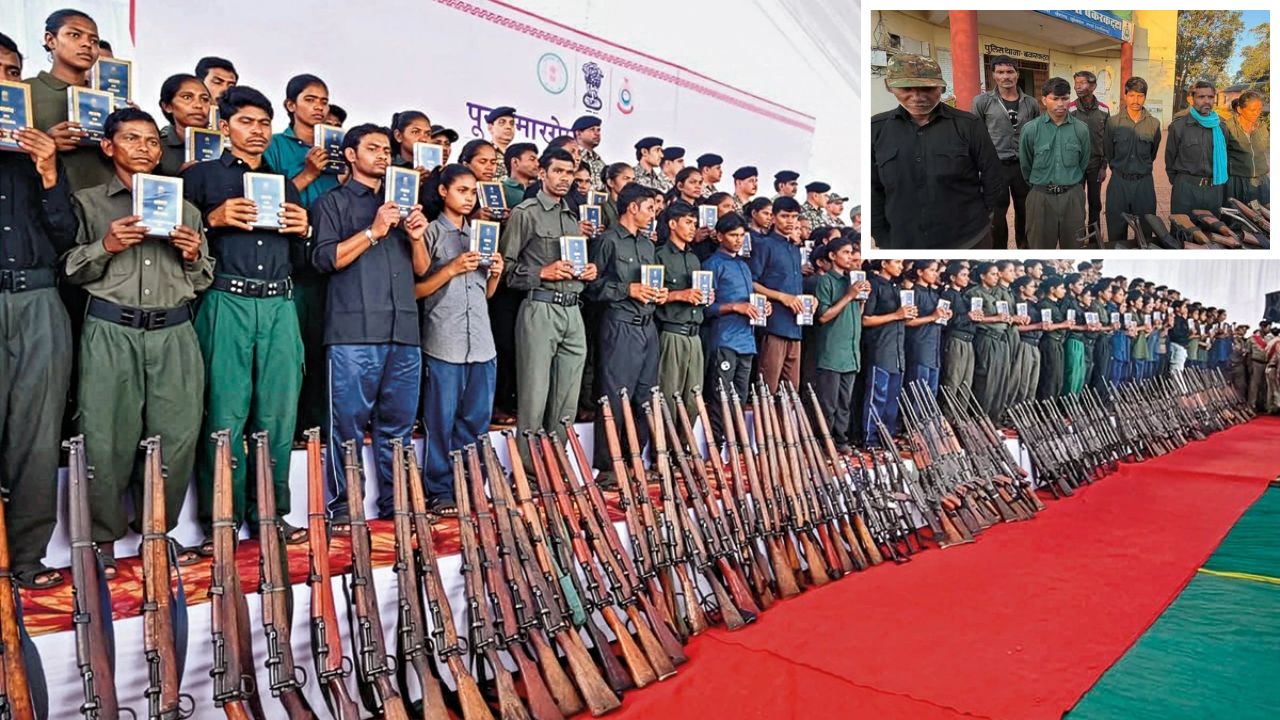
Chhattisgarh: In a major breakthrough against Naxalism, notorious Naxalite commander and Central Committee Member (CCM) Ramdher Majjhi surrendered to the police along with his group on Monday. Known for his strategic role in Naxal operations and considered on par with the infamous Hidma, Majjhi had a bounty of Rs 1 crore on his head.
Majjhi surrendered at the Bakar Katta police station in Chhattisgarh. Alongside him, several Maoist cadres including Chandu Usendi, Lalita, Janki, Prem, Ramsingh Dada, Sukesh Pottam, Lakshmi, Sheela, Sagar, Kavita, and Yogita also laid down arms.
Commander Vella Modiyam among 18 naxalites killed in Bijapur; Cumulative bounty exceeds Rs1.3Cr
With this landmark surrender, the Naxal-affected zones of Maharashtra, Madhya Pradesh, and Chhattisgarh have now been declared Naxal-free.
Earlier, Chhattisgarh Deputy Chief Minister stated that nearly 80 percent of the Naxal menace has been eradicated, with only 20 percent of activities persisting in western Abhujmad and parts of southern Sukma and Bijapur districts. He emphasized that people in Bastar can now “breathe in the open air without fear.”
The Deputy CM highlighted the growing involvement of local youth in shaping the region’s future. He pointed to events like the Bastar Olympics and Bastar Pandum festival, stating that they reflect the readiness of the younger generation to take charge of Bastar and contribute to its peace and development.
Union Home Minister Amit Shah praised the Modi government’s strategy, asserting that the country is moving toward a permanent solution for Naxalism. He projected that Naxalism would be completely eliminated by March 31, 2026.
12 Naxalites killed, two jawan martyred in Chhattisgarh encounter; Details inside
Amit Shah recalled that Naxal influence once spanned nearly 17 percent of India’s territory, affecting around 120 million people, roughly 10 percent of the population, who lived under the shadow of violence. He stated that the government’s concerted efforts, combined with community participation, were gradually reclaiming affected areas and restoring normalcy.
The surrender of Ramdher Majjhi and his associates marks a historic step in India’s fight against Naxalism. Authorities say it demonstrates the effectiveness of coordinated security operations, rehabilitation efforts, and local support, signaling a new era of peace and development in previously Naxal-affected regions.

