English
 English
Expecting a baby? Not all pregnancy nutrition tips are true. Discover the surprising myths about cravings, “eating for two,” and supplements that could be affecting your health and what you should really do instead.
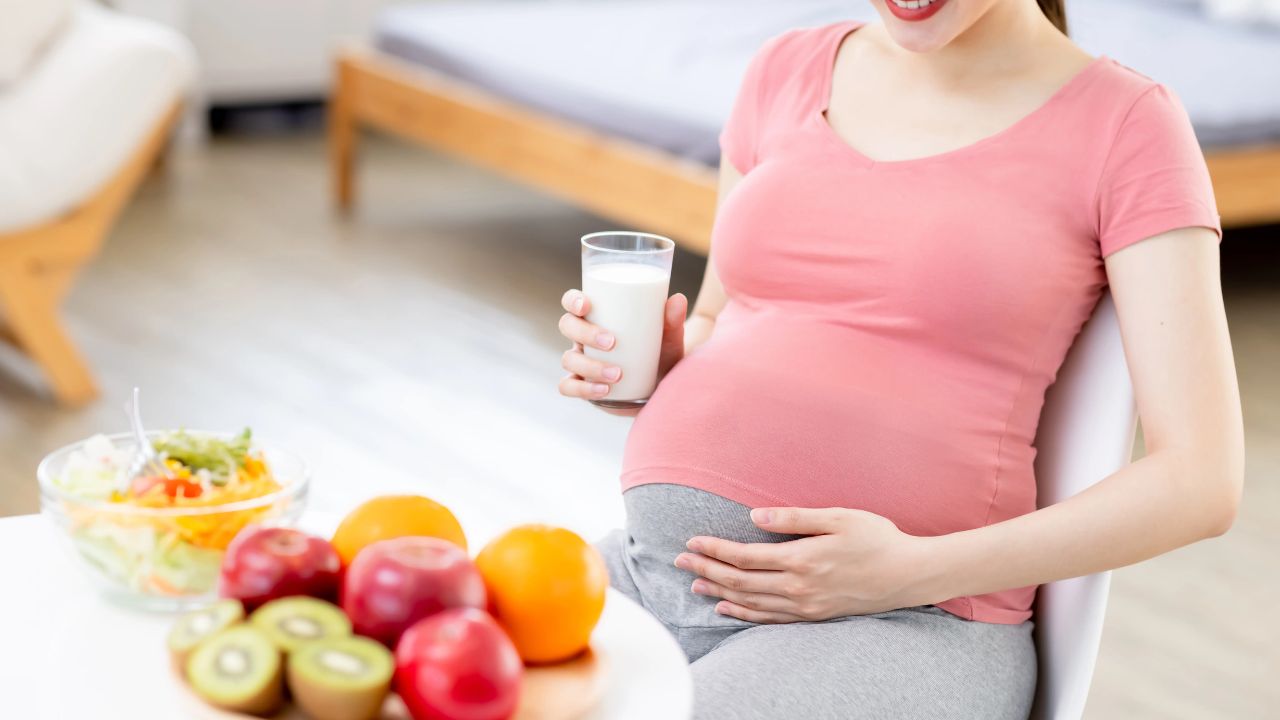
Pregnancy nutrition myths women would stop believing
New Delhi: Pregnancy brings immense joy and anticipation, but it also brings a flood of advice much of it misleading. From old wives’ tales to trending online tips, expecting mothers often face confusion about what is truly healthy for them and their baby. Medical experts highlight several common nutrition myths that could impact maternal and fetal health.
A widespread misconception is that pregnant women must eat double their usual intake. In reality, while calorie needs do increase, the requirement is modest around 300 extra calories per day during the second and third trimesters. Overeating can lead to excessive weight gain and complications such as gestational diabetes.
Tiny Superfood: How Sunflower Seeds Can Boost Your Energy And Overall Health? Explained
Some myths suggest avoiding eggs, fish, or spicy foods altogether. While certain items like raw fish, unpasteurized cheese, or undercooked meat should be avoided, many nutrient-rich foods are safe and beneficial when prepared properly. Eliminating key protein or omega-3 sources can negatively affect fetal development.
Prenatal vitamins are essential for filling nutritional gaps, but they cannot substitute a balanced diet. Relying solely on supplements may lead to deficiencies in fibre, antioxidants, and other crucial nutrients, emphasizing the importance of fresh fruits, vegetables, whole grains, and lean proteins.
Pregnancy cravings are often seen as commands, leading many women to indulge excessively. While occasional treats are harmless, giving in to every craving can contribute to unhealthy weight gain and blood sugar spikes. Mindful eating, portion control, and healthier alternatives can satisfy cravings without compromising nutrition.
Morning drinks that help with weight loss
Another misconception is that pregnant women should stay inactive to prevent harm. In fact, moderate physical activity like walking, swimming, or prenatal yoga supports healthy weight, improves mood, and can ease labor. Exercise should always be tailored to individual health conditions and doctor recommendations.
Pregnancy is a critical time for both mother and baby, making accurate nutrition guidance vital. Dispelling myths and following evidence-based practices ensures proper fetal growth, maternal health, and a smoother postpartum recovery. By focusing on moderation, variety, and medically approved guidance, expecting mothers can make informed choices that benefit both themselves and their children.