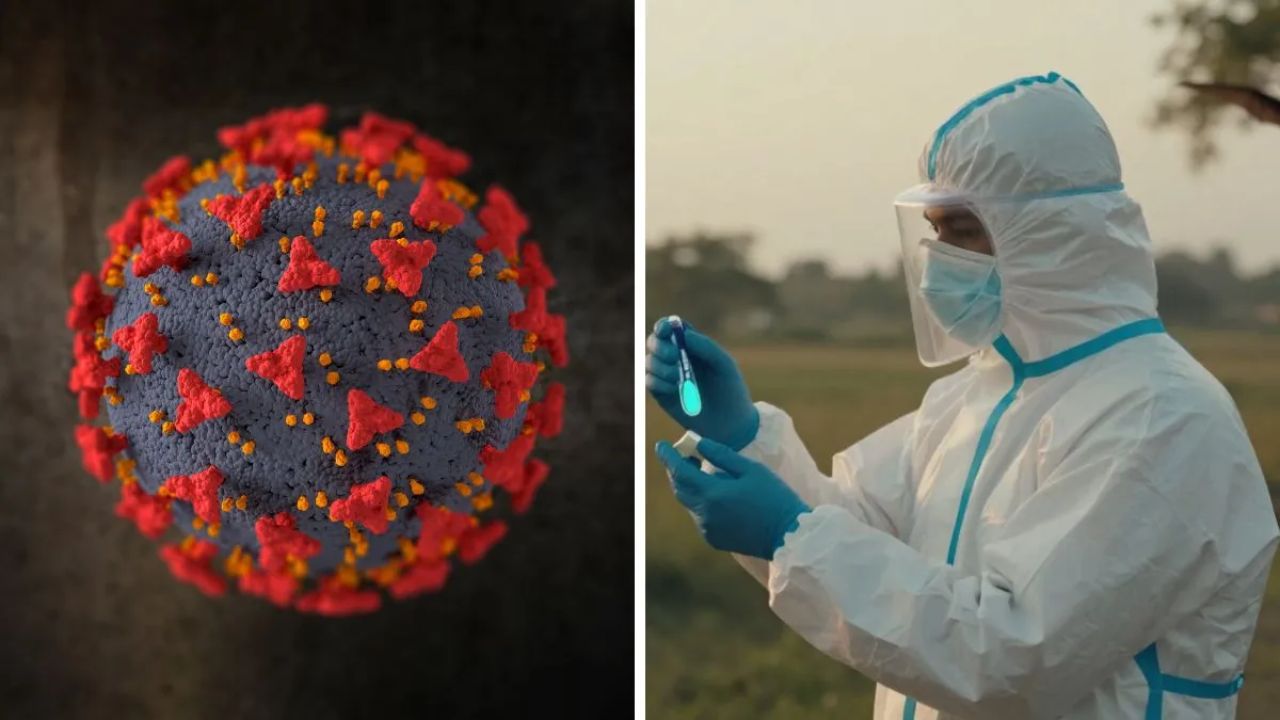
India has reported multiple Nipah virus outbreaks
New Delhi: India has reported multiple Nipah virus outbreaks, primarily in Kerala. The state’s dense population, tropical climate, and close interaction between humans and wildlife increase the risk of transmission.
Health authorities are monitoring suspected cases closely as efforts intensify to prevent human-to-human transmission and contain the spread of the virus. The virus belongs to the Henipavirus genus and is considered one of the most dangerous pathogens due to its high fatality rate and lack of a specific cure.
HFMS virus is attacking children in many districts of Delhi and UP; Click here to see what it is
The primary natural hosts of the Nipah virus are fruit bats, commonly known as flying foxes. Humans can become infected through direct contact with infected bats, pigs, or their bodily fluids. Consumption of raw date palm sap or fruits contaminated by bats has been a major source of infection in past outbreaks. Human-to-human transmission has also been documented, particularly among family members and healthcare workers through close contact.
The incubation period of Nipah virus typically ranges from 4 to 14 days, but in some cases it can extend up to 45 days. Early symptoms include fever, headache, muscle pain, vomiting, and sore throat. As the disease progresses, patients may develop dizziness, drowsiness, confusion, and acute encephalitis (brain inflammation). Severe cases can lead to coma and death within days.
World Rabies Day: Know the animals that can transmit the virus
Nipah virus has a high mortality rate, often ranging between 40% and 75%, depending on the outbreak and healthcare response. There is no approved vaccine or antiviral treatment specifically for Nipah virus. Medical care is largely supportive, focusing on managing symptoms and preventing complications. The virus is classified as a priority pathogen due to its epidemic potential.
Preventive measures include avoiding consumption of raw fruits or palm sap that may be contaminated, minimizing contact with bats and infected animals, and maintaining strict infection control practices in healthcare settings. Early detection, quarantine of suspected cases, and public awareness are crucial to preventing wider spread.

