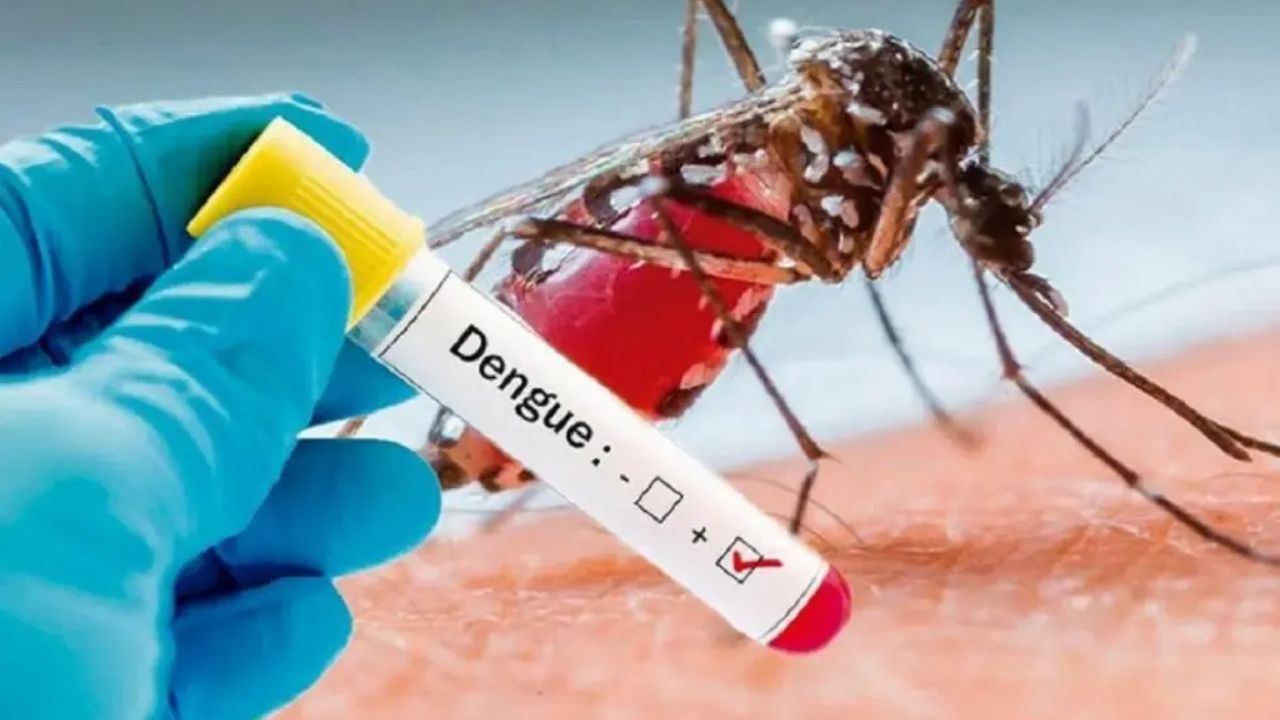
Nagpur Mosquito Surge Sparks Early Dengue Alarm (Image Source: Internet)
Nagpur: Nagpur is witnessing a worrying rise in mosquito related diseases early in 2026, with experts linking the increase to mosquito species that thrive in urban environments. As the city moves into warmer months the residents are once again dealing with a noticeable surge in mosquito activity, raising concerns about public health.
The city has already reported 10 dengue cases in just the first three months of the year, matching the total recorded during the same period over the last two years combined. Officials warn that this could signal a difficult season ahead.
Recent data highlights fluctuating trends over the past few years. In 2024, Nagpur recorded 201 dengue cases and a massive 1,090 chikungunya cases making it a particularly severe year. The situation improved in 2025, with 133 dengue cases and only 21 chikungunya cases.
However, 2026 has already started on a concerning note, with 10 dengue cases and two malaria cases reported within the first quarter. This is significant, especially since malaria cases had dropped to just two in 2024 and zero in 2025.
Citizens across the city are increasingly frustrated with the growing mosquito problem. Many residents say that common household repellents are no longer effective. Some have observed that mosquitoes appear unaffected by repellent machines, often sitting on them without being driven away, raising concerns about resistance or reduced effectiveness.
Experts attribute the rise in cases to two key mosquito species that thrive in urban settings. The Anopheles mosquito, which spreads malaria, breeds in clean, stagnant water and is most active at night. Its early presence is evident from the malaria cases already reported this year. On the other hand, the Aedes aegypti mosquito spreads dengue and chikungunya.
It is a daytime biter and can breed in very small amounts of water, such as in flower pots, discarded tyres, and water coolers. The high chikungunya cases in 2024 show how quickly this mosquito can trigger an outbreak.
With mosquito populations increasing and diseases appearing earlier than usual, experts stress the urgent need for preventive measures. Eliminating stagnant water in and around homes remains one of the most effective ways to control mosquito breeding. As summer progresses, both authorities and residents will need to stay alert and take proactive steps to prevent a larger outbreak in the coming months.

