Delayed or missed childhood vaccines can leave children vulnerable to dangerous diseases and trigger outbreaks. Many parents don’t realise how even small gaps in immunisation can have long-term health consequences.
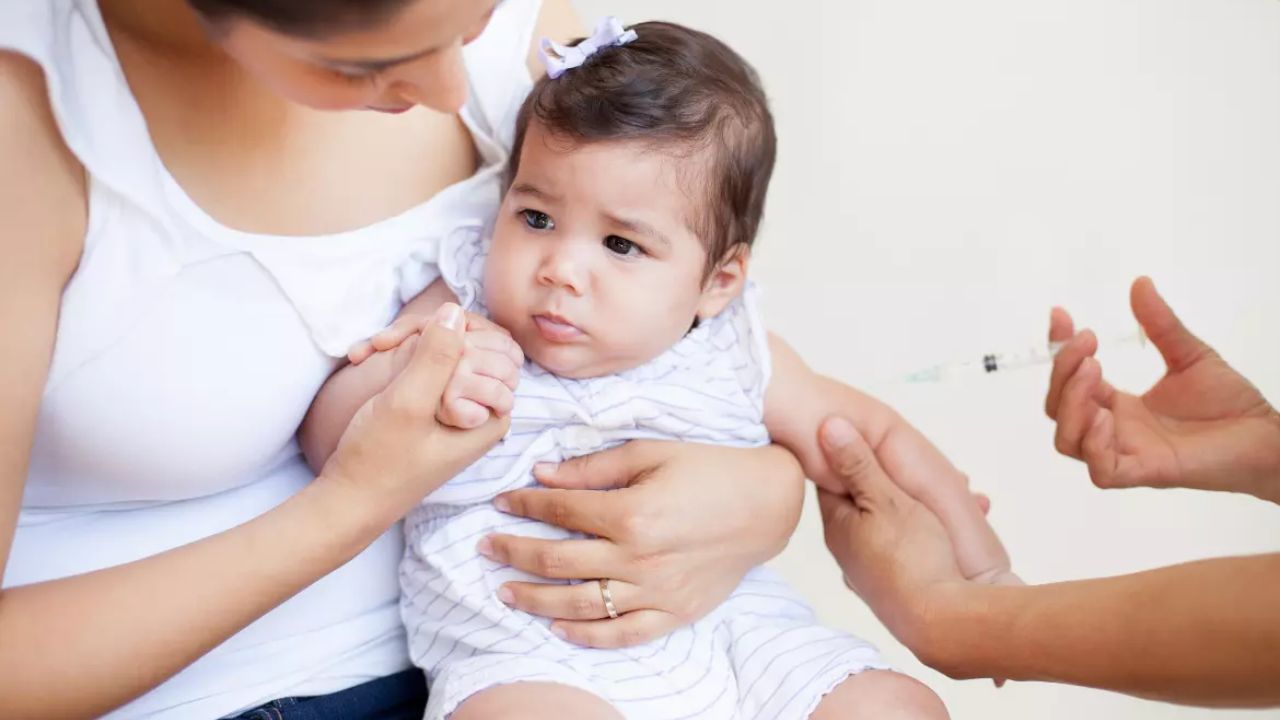
Childhood vaccination is one of the most effective public health measures
New Delhi: Childhood vaccination is one of the most effective public health measures, protecting children from life-threatening infectious diseases. However, delays or missed doses remain a concern in many parts of the world, including India. Health experts warn that skipping or postponing routine immunisation can have serious consequences not only for individual children but also for communities at large.
Vaccines work by preparing a child’s immune system to fight specific infections before exposure occurs. When scheduled vaccines are delayed, children remain vulnerable during critical early years when their immune systems are still developing.
Diseases such as measles, diphtheria, pertussis, polio, and tetanus can strike more severely in unvaccinated or partially vaccinated children, increasing the risk of complications, hospitalisation, and death.
Missed vaccines also weaken herd immunity, the collective protection that prevents diseases from spreading rapidly. When a significant number of children are unvaccinated, outbreaks become more likely, even among those who are vaccinated but have weaker immune responses. Recent resurgences of measles and whooping cough in several regions have been linked to gaps in immunisation coverage.
Delayed vaccination can also disrupt a child’s long-term health. Some vaccine-preventable diseases may cause permanent disabilities, including hearing loss, brain damage, paralysis, or chronic respiratory problems. Infections contracted in early childhood can affect growth, learning abilities, and overall quality of life, placing an emotional and financial burden on families.
Another challenge linked to missed vaccines is the difficulty of catch-up immunisation. While most missed doses can be administered later, delays often require multiple visits, additional monitoring, and strict adherence to revised schedules. This increases pressure on healthcare systems and raises the chances that children may drop out of immunisation programs entirely.
‘Begging for Loans Hurts Our Dignity’: Pakistan PM Admits Deep Economic Dependence
Social and logistical factors play a key role in vaccine delays. Limited access to healthcare facilities, lack of awareness, fear of side effects, misinformation, and disruptions caused by migration or emergencies can all contribute to missed vaccinations. Addressing these barriers is essential to ensure timely immunisation.
Public health authorities emphasise that childhood vaccines are safe, effective, and rigorously tested. Following the recommended immunisation schedule ensures maximum protection at the right age. Parents and caregivers are encouraged to keep vaccination records updated and consult healthcare providers if any doses are missed.
Ensuring timely vaccination is not just about protecting one child—it is about safeguarding entire communities and preventing the return of deadly diseases once thought to be under control.

