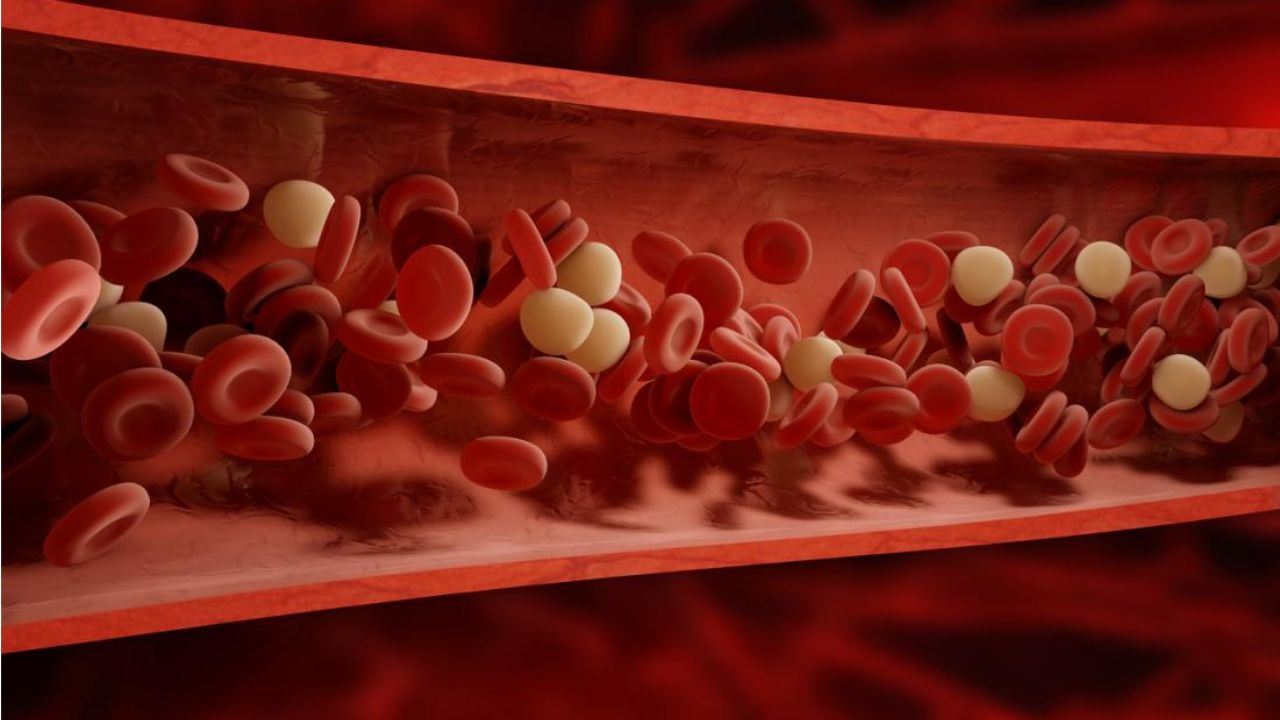
New Delhi: Have you ever wondered why human blood is always red? Despite common myths about “blue blood” in veins, the truth is rooted in chemistry, genetics, and human health.
Blood is far more than just a circulating fluid. It delivers oxygen from the lungs to every cell, removes carbon dioxide, transports nutrients and hormones, and carries waste products to the kidneys. In an average adult, blood makes up nearly 7-8% of body weight - around 5 to 6 litres. But its unmistakable red colour has a fascinating scientific explanation.
The Real Reason Behind Blood’s Red Colour
The red colour of human blood comes from hemoglobin, a vital protein found inside red blood cells. Hemoglobin contains four protein chains, each attached to a structure known as heme. At the centre of every heme molecule lies iron.
When iron binds with oxygen in the lungs, it produces a bright red colour. This is why oxygen-rich blood appears vivid red.
After delivering oxygen to tissues, blood returns darker in shade - but it is never blue. Veins may look bluish due to how light passes through skin, not because the blood itself changes colour.
Simply put, red blood is a sign that hemoglobin is successfully doing its job: carrying oxygen and sustaining life.
Why Some Animals Have Blue Blood
Interestingly, not all living beings have red blood. Creatures like octopuses and some crabs have blue blood because their oxygen-carrying protein is hemocyanin, which contains copper instead of iron. When copper binds with oxygen, it turns blue.
Nature uses different metals for the same purpose - oxygen transport. For example, plants use magnesium in chlorophyll, which gives leaves their green colour.
Metal Balance and Human Health
In humans, the precise balance of iron and proteins in hemoglobin is genetically controlled. Any disruption in this balance can lead to serious blood disorders such as thalassemia or sickle cell anemia, where oxygen transport becomes inefficient.
Experts explain that blood colour is closely linked to biochemistry - the chemical reactions that sustain metabolism, immunity, and overall physical health.
Bottom Line
Human blood is red because iron in hemoglobin reacts with oxygen - a process essential for survival. From red in humans to blue in marine creatures, blood colour is a remarkable example of how biology adapts chemistry to meet the needs of life.

