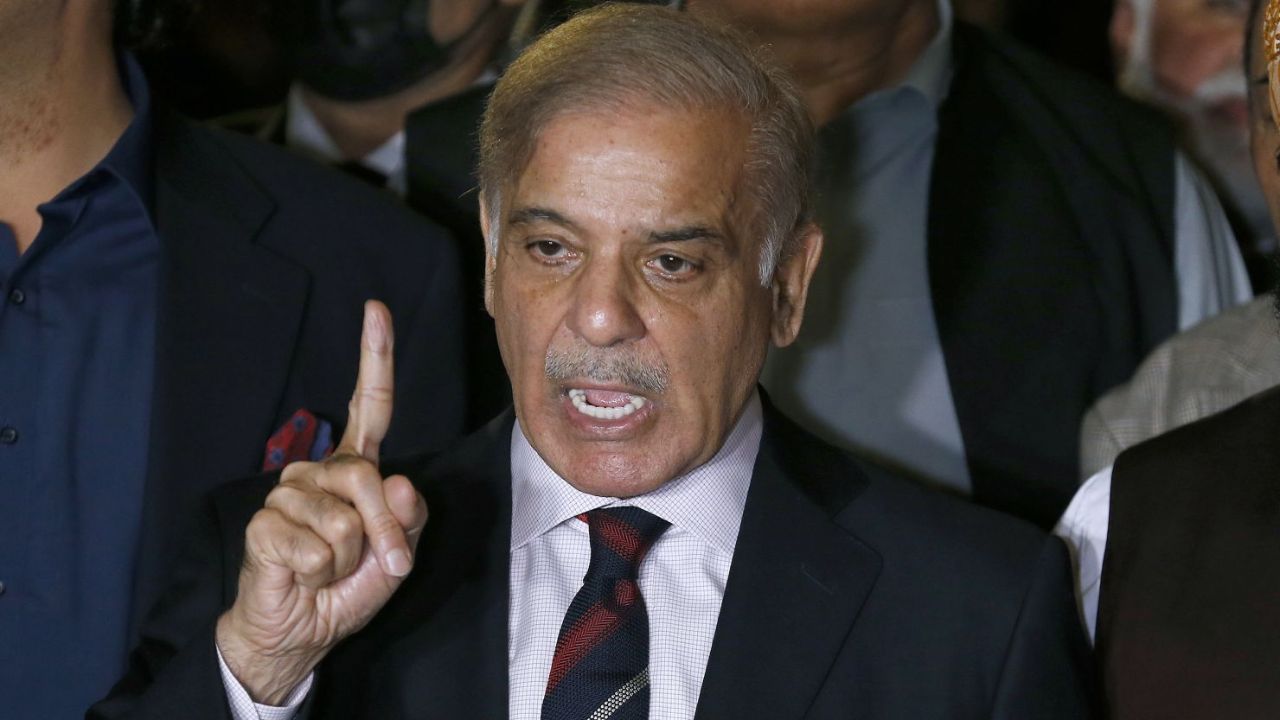
Pakistan PM’s Unusual Admission on Foreign Loans
New Delhi: Pakistan’s Prime Minister Shehbaz Sharif has publicly expressed frustration and embarrassment over the country’s continued dependence on foreign loans. Speaking at an event with exporters and business leaders in Islamabad, Sharif said that repeatedly seeking financial aid undermines Pakistan’s national self-respect and humiliates its leadership, including Army Chief Asim Munir.
In rare candid remarks, Sharif admitted that traveling abroad to request financial assistance feels degrading and leaves Pakistan with little bargaining power. He acknowledged that accepting loans often forces the country to agree to conditions it would otherwise reject.
J&K: Pakistani drones breach LoC in Kupwara; Forced to retreat after Indian Army action
Despite his criticism of debt dependence, Sharif praised Pakistan’s key international supporters—China, Saudi Arabia, the United Arab Emirates, and Qatar—calling them economic lifelines. These countries have provided crucial deposits, deferred payments, investments, and energy supplies that have helped Pakistan avoid a balance-of-payments collapse.
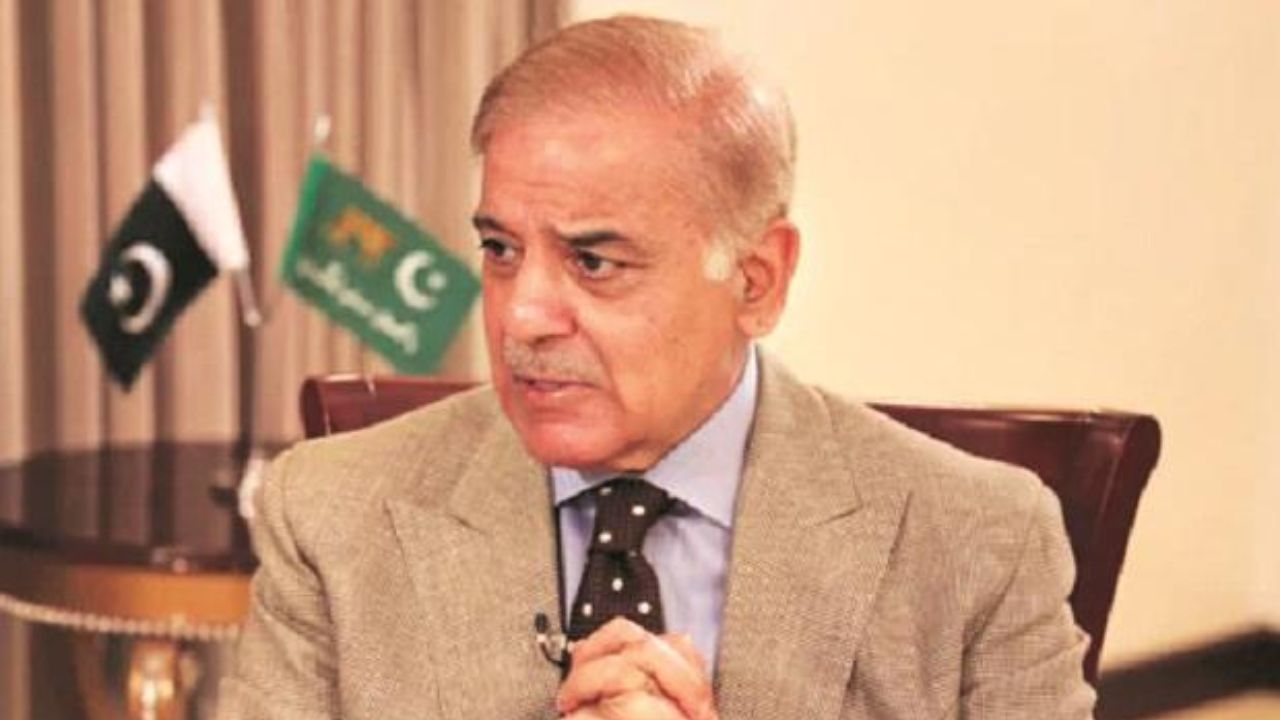
Sharif described the challenges faced by his govt in managing economy
China remains Pakistan’s largest financial backer, having deposited billions of dollars to shore up foreign reserves and invested over $60 billion through the China-Pakistan Economic Corridor (CPEC). Saudi Arabia and the UAE have extended deposits, oil payment facilities, and loan rollovers, while Qatar has pledged investments in aviation, agriculture, and hospitality and remains a key LNG supplier.
Sharif also highlighted Pakistan’s worsening internal conditions. Poverty levels have surged dramatically, with estimates suggesting that nearly 45% of the population now lives below the poverty line, up sharply from 2018. Extreme poverty has risen rapidly due to inflation, floods, and economic instability.
Unemployment stands at around 7.1%, leaving more than eight million people without jobs, while underemployment is widespread in the informal sector, which accounts for nearly 85% of the workforce. Educated youth face limited opportunities, adding to social frustration.
Pakistan is facing a severe debt crisis, with public debt exceeding Rs 76,000 billion as of March 2025—almost double in just four years. The country is currently on its 23rd IMF programme, highlighting chronic fiscal mismanagement.
‘Unavailability To Replace Pakistan, Iceland Humorous X Post On T20 World Cup Goes Viral
Rather than building a competitive, export-driven economy like Bangladesh or Vietnam, Pakistan has relied on short-term borrowing to support imports, stabilize the currency artificially, and protect elite interests. Structural reforms—such as broadening the tax base, taxing landed elites, and reforming retail and energy sectors—remain largely unimplemented.
By involving the Army Chief directly in loan negotiations, Pakistan signals to creditors that the military guarantees financial stability. While this reassures lenders, it further blurs the line between civilian governance and military influence, raising concerns about institutional balance.
Sharif’s remarks reflect a broader reality: Pakistan’s long-standing strategy of leveraging geopolitical importance for financial aid has weakened. What was once framed as “strategic partnership” is now openly acknowledged as dependence.
The Prime Minister’s admission underscores that Pakistan’s challenges are no longer temporary economic downturns but a persistent structural crisis. Without deep reforms, each new loan merely postpones default rather than resolving underlying problems—leaving the country trapped in a cycle of debt, dependency, and diminished sovereignty.


