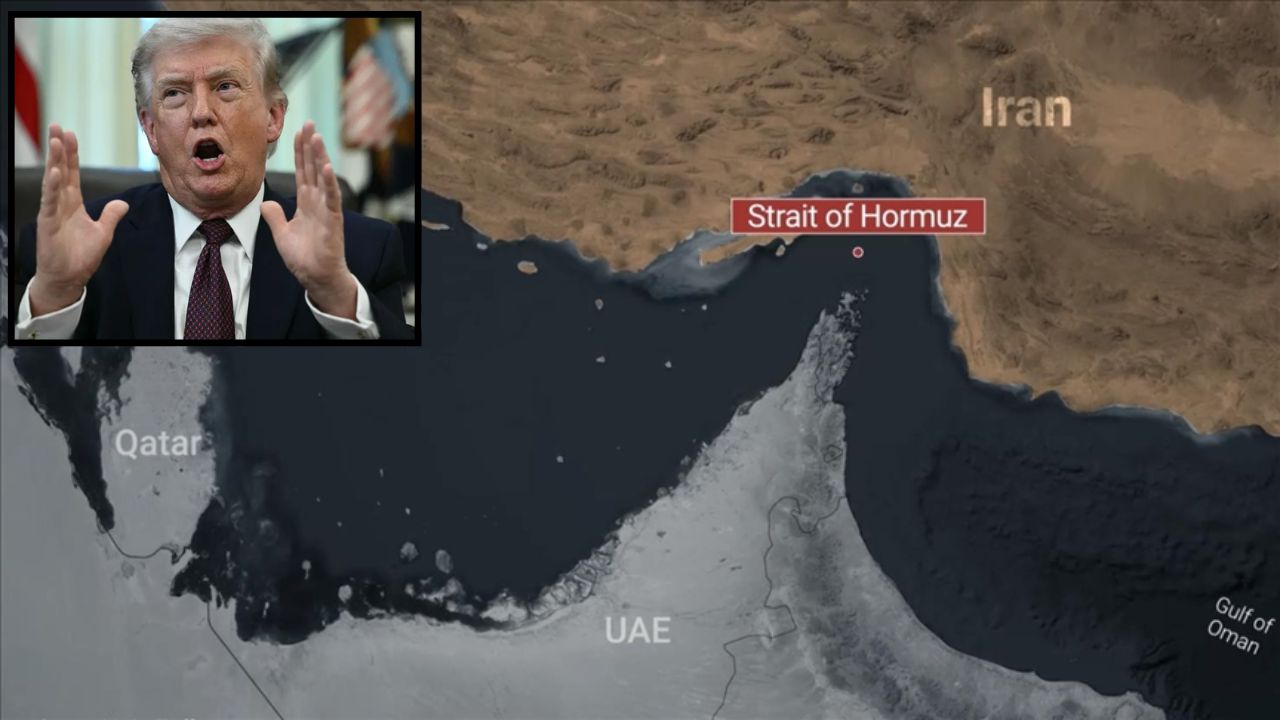
Iran rejects Trump's 48-hour ultimatum to reopen Hormuz
Tehran: Iran has firmly rejected the 48-hour ultimatum issued by Donald Trump, escalating tensions between the two countries over the strategic Strait of Hormuz.
Tehran’s response came hours after Trump warned of severe consequences if Iran failed to reopen the crucial shipping route or reach an agreement with Washington within the given timeframe.
West Asia Crisis: 9th India-flagged tanker ‘Green Asha’ safely crosses Hormuz amid Iran war
A senior Iranian military official, Ali Abdollahi Aliabadi, criticised Trump’s remarks, calling them “unbalanced” and dismissing the warning as aggressive rhetoric.
In a sharply worded statement, he cautioned that any escalation would have serious repercussions, signalling Iran’s readiness to respond to potential military action.
Trump had earlier taken to Truth Social to remind Iran of the deadline, stating that time was running out and warning that failure to act would trigger a strong response.
The ultimatum is part of Washington’s broader effort to pressure Tehran into reopening the Strait of Hormuz, a key maritime route through which a significant portion of global oil supply passes.
Despite the exchange of strong statements, both sides have indicated some willingness to engage in dialogue. Trump had previously announced a temporary pause on potential strikes targeting Iran’s energy infrastructure, suggesting ongoing negotiations.
He also extended the original deadline, citing what he described as a request from Iran to allow more time for discussions.
US rescue mission in Iran escalates tensions; Tehran claims downing of C-130 aircraft
The Strait of Hormuz remains at the centre of the standoff, given its critical role in global energy supply chains. Any disruption in the passage can have far-reaching effects on oil markets and international trade.
The ongoing tensions in West Asia have already led to heightened security concerns and increased volatility in energy prices.
While diplomatic channels remain open, the exchange of warnings highlights the fragile nature of the situation. With the deadline approaching, the risk of further escalation cannot be ruled out.

