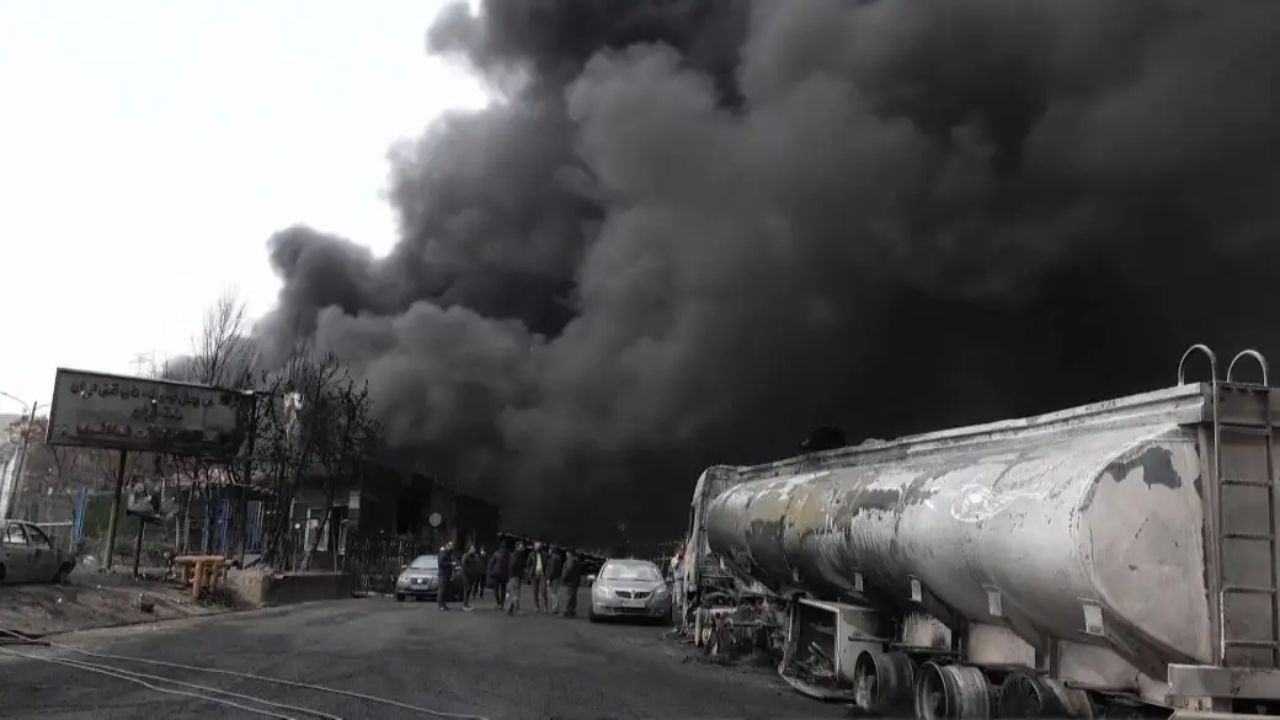
Iran has warned that global oil prices could soar to as high as $200 per barrel
Tehran: Iran has warned that global oil prices could soar to as high as $200 per barrel as tensions in the Gulf intensify and shipping routes come under attack. The warning came as Iranian forces reportedly targeted several vessels in regional waters during the ongoing conflict involving the United States and Israel.
According to Iranian military spokesperson Ebrahim Zolfaqari, regional instability caused by the conflict could severely disrupt oil supplies, pushing energy prices to unprecedented levels.
On Wednesday, at least three commercial vessels were reported to have been struck in Gulf waters. Iran’s elite military unit, the Islamic Revolutionary Guard Corps (IRGC), said it had fired upon ships that allegedly ignored its warnings and instructions.
Reports indicated that a Thai-flagged bulk carrier caught fire following an attack, forcing the crew to abandon the vessel. Three crew members were reported missing after the incident. Two other ships- a Japanese container vessel and a Marshall Islands-flagged bulk carrier were also said to have suffered damage from projectiles.
Since the conflict began nearly two weeks ago, at least 14 merchant vessels have reportedly been struck in the region.
The attacks have raised fresh concerns over security in the Strait of Hormuz, one of the world’s most critical energy chokepoints. The narrow waterway connects the Persian Gulf to the Gulf of Oman and handles roughly one-fifth of global oil shipments.
Any prolonged disruption to shipping through the strait could have far-reaching consequences for global energy markets.
Oil prices have already experienced sharp fluctuations amid the escalating crisis. Earlier this week, crude prices surged close to $120 per barrel before settling near $90. However, renewed fears over supply disruptions pushed prices up again by nearly five per cent.
The International Energy Agency (IEA) has recommended a massive release of strategic petroleum reserves by major oil-consuming countries to stabilise the market.
The conflict, triggered by joint US-Israeli strikes on Iran, has now entered its second week and has already claimed thousands of lives across the region.
Meanwhile, Donald Trump said the United States would continue its military campaign, stating that Washington aims to eliminate Iran’s ability to project military power and dismantle its nuclear programme.
With tensions escalating and maritime routes under threat, analysts warn that the crisis could trigger one of the most severe global oil shocks in decades.

