India Raises Alarm at UN: Global Food and Fuel Supplies Face Sea Route Threat
New Delhi: India has raised a major warning at the United Nations Security Council, saying disruptions to key sea routes could affect the global supply of food, fuel, fertilisers and other essential commodities. The warning comes as geopolitical tensions and conflicts continue to threaten international shipping networks and create uncertainty in global markets.
The message has drawn attention because the impact of maritime disruptions is not limited to conflict zones. Any slowdown in major shipping corridors can increase transportation costs, disturb supply chains and eventually affect prices of everyday essentials across countries.
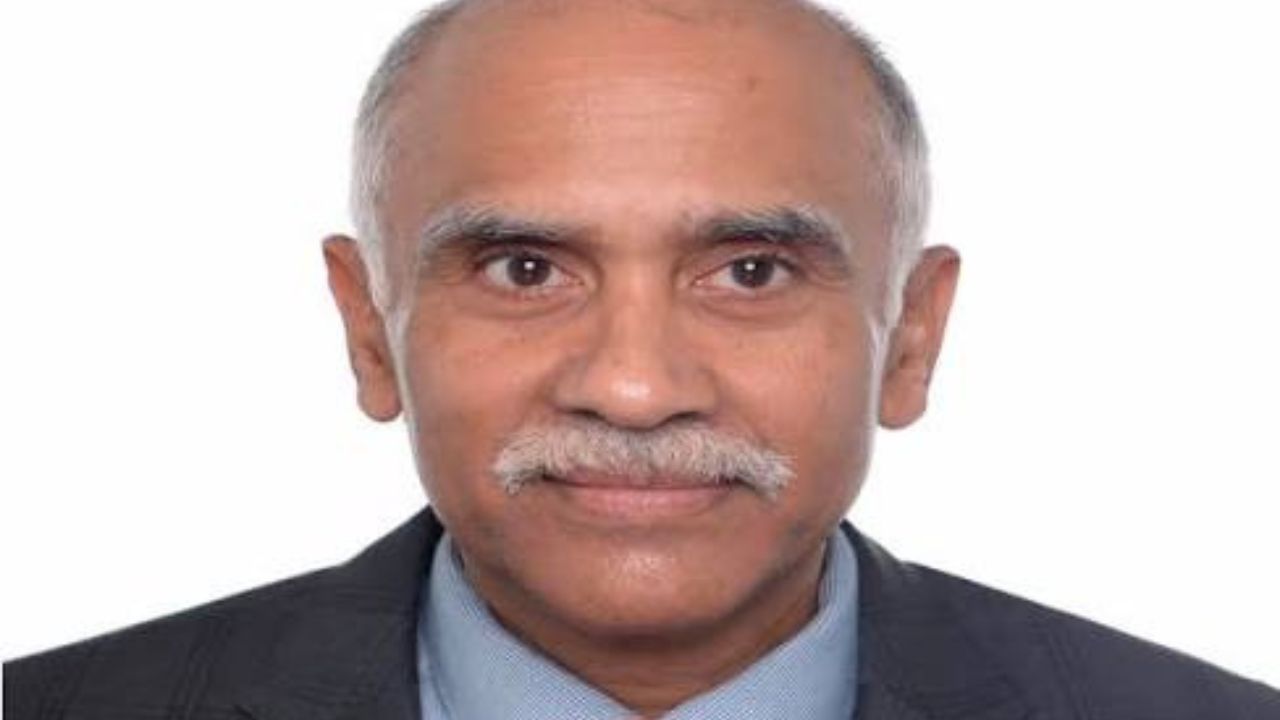
Addressing a high-level UN Security Council debate on food crises linked to conflicts, India highlighted how modern wars are creating economic and humanitarian challenges far beyond their immediate locations. Ambassador Harish Parvathaneni, country's Permanent Representative to the United Nations, stressed that conflicts are increasingly affecting energy markets, fertiliser availability, maritime transport and agricultural trade.
The country warned that when shipping routes face disruptions, the consequences can spread across continents, putting additional pressure on nations that depend heavily on imports.
International shipping routes are the backbone of global trade, carrying essential supplies including crude oil, natural gas, fertilisers, grains and other important commodities. India emphasised that safe and predictable maritime trade routes are necessary to ensure the uninterrupted movement of these supplies.
Disruptions caused by conflicts, attacks on commercial vessels or restrictions on navigation can lead to longer shipping routes, higher insurance costs, increased freight charges and delays in delivery. These factors can eventually impact market prices and increase economic pressure on consumers and businesses.
India’s warning comes amid rising concerns over instability in strategically important maritime regions, including the Red Sea and the Strait of Hormuz. The Strait of Hormuz is one of the world’s most important energy routes, playing a crucial role in global oil transportation and fertiliser trade.
Any disruption in this corridor can create uncertainty in energy markets and affect countries dependent on imported fuel. Meanwhile, security threats in the Red Sea have already raised concerns over commercial shipping and the movement of essential goods. The developments have increased fears that regional conflicts could create a wider global economic impact.
During the Security Council discussion, UN Secretary-General Antonio Guterres highlighted the worsening global food security situation linked to conflicts. The United Nations has warned that wars and political instability remain major drivers of hunger crises in several regions, affecting millions of vulnerable people. The UN has also stressed that humanitarian agencies face increasing challenges in delivering food assistance and essential supplies to conflict-affected populations.
India urged the international community to work together to safeguard critical sea lanes and maritime infrastructure. New Delhi said protecting commercial shipping and ensuring freedom of navigation according to international law should remain a global priority.
The country also called for uninterrupted humanitarian access during conflicts so that essential supplies can reach people in need. The country stressed that international measures, including sanctions and restrictions, should not unintentionally block humanitarian aid or legitimate food and agricultural trade.
Apart from maritime security, India highlighted the need to strengthen global food systems and reduce dependence on vulnerable supply chains. It called for greater cooperation between countries, international organisations and financial institutions to improve agricultural production, storage facilities and logistics networks. The country also emphasised the importance of affordable access to fertilisers, quality seeds, technology and financial support, especially for developing nations.
India also cautioned countries against excessive dependence on a single agricultural production system. New Delhi highlighted that overdependence on limited sources can increase risks during geopolitical tensions, climate emergencies and economic disruptions.
The country promoted climate-resilient farming practices and highlighted the importance of supporting small and marginal farmers to improve food security. The country also encouraged wider adoption of crops such as millets that can help strengthen agricultural resilience.
India’s warning at the UN Security Council reflects the growing link between maritime security, global trade and everyday economic stability. A conflict in one region can now influence fuel availability, food prices and supply chains worldwide because of the interconnected nature of global commerce.
As countries continue to face geopolitical uncertainty, protecting major sea routes has emerged as a key international priority. India’s message at the UN highlights a simple concern: keeping the world’s shipping lanes safe is essential to keeping essential supplies moving.

