 English
 English

The conversation marks the second time within a week
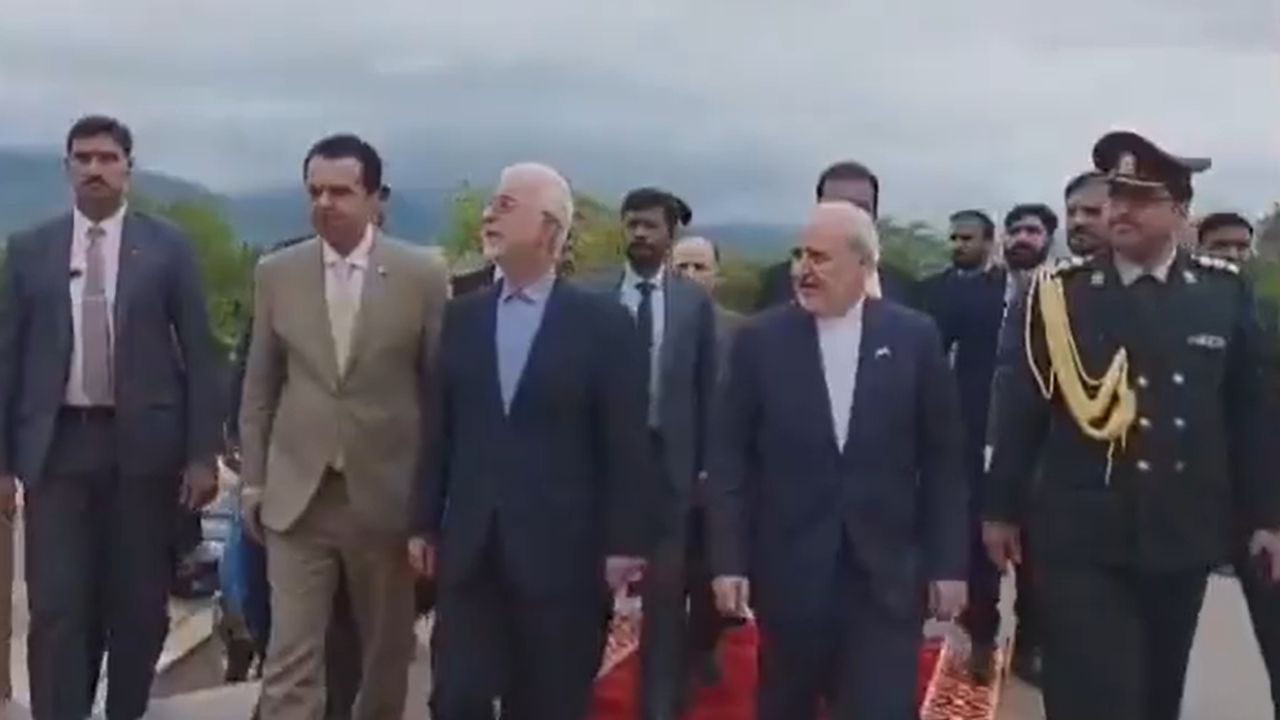
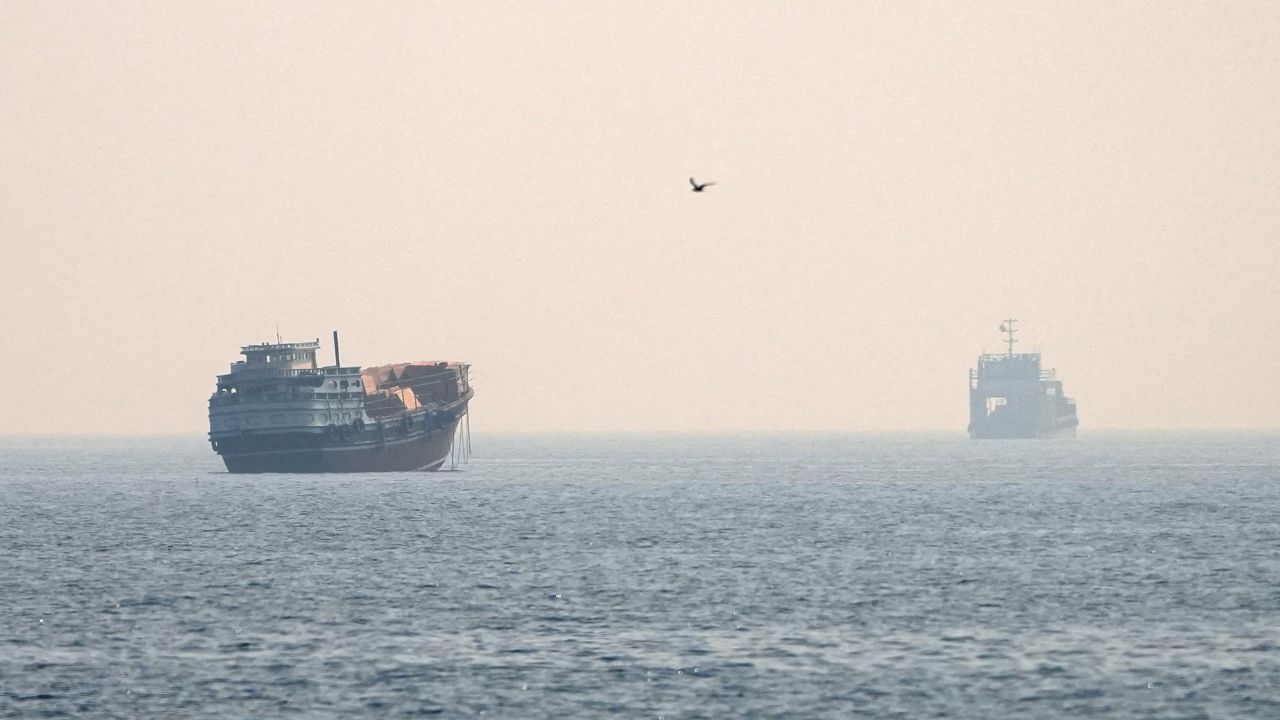
New Delhi: As tensions continue to rise in the Middle East, India has stepped up diplomatic engagement with key regional players. External Affairs Minister S. Jaishankar on Thursday held a telephonic conversation with Iranian Foreign Minister Seyed Abbas Araghchi to discuss the rapidly evolving situation in West Asia.
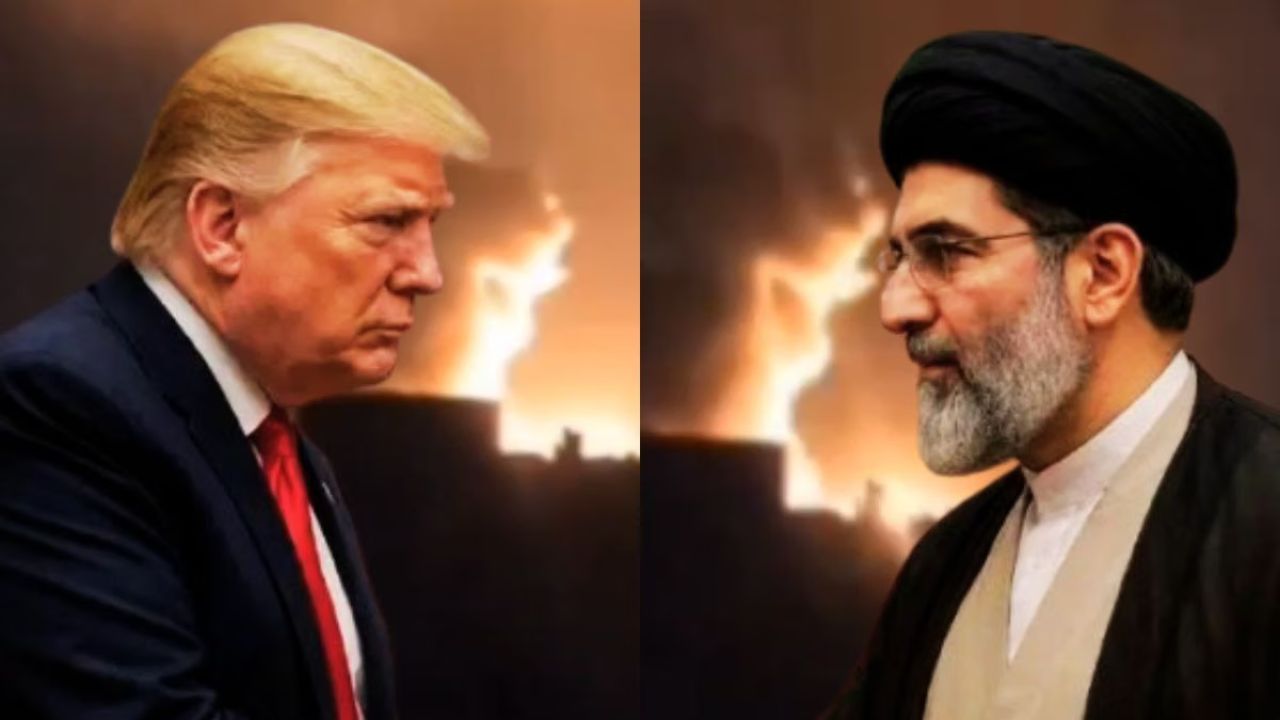
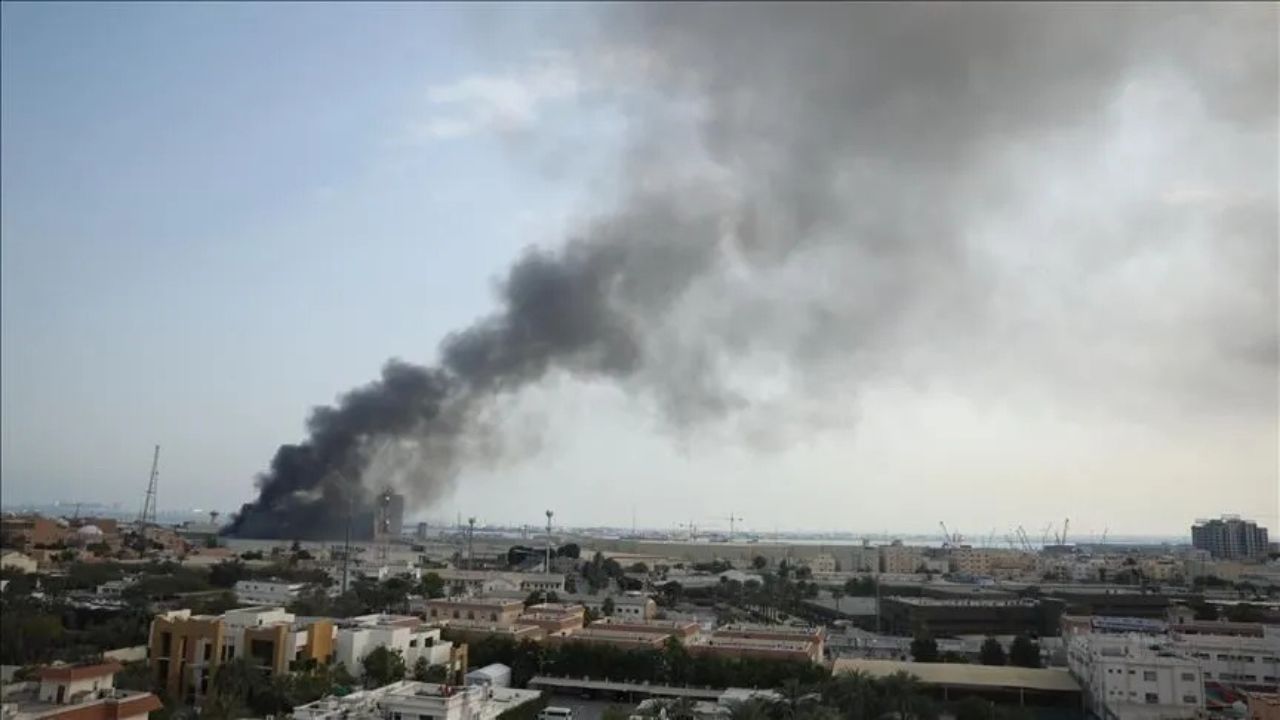
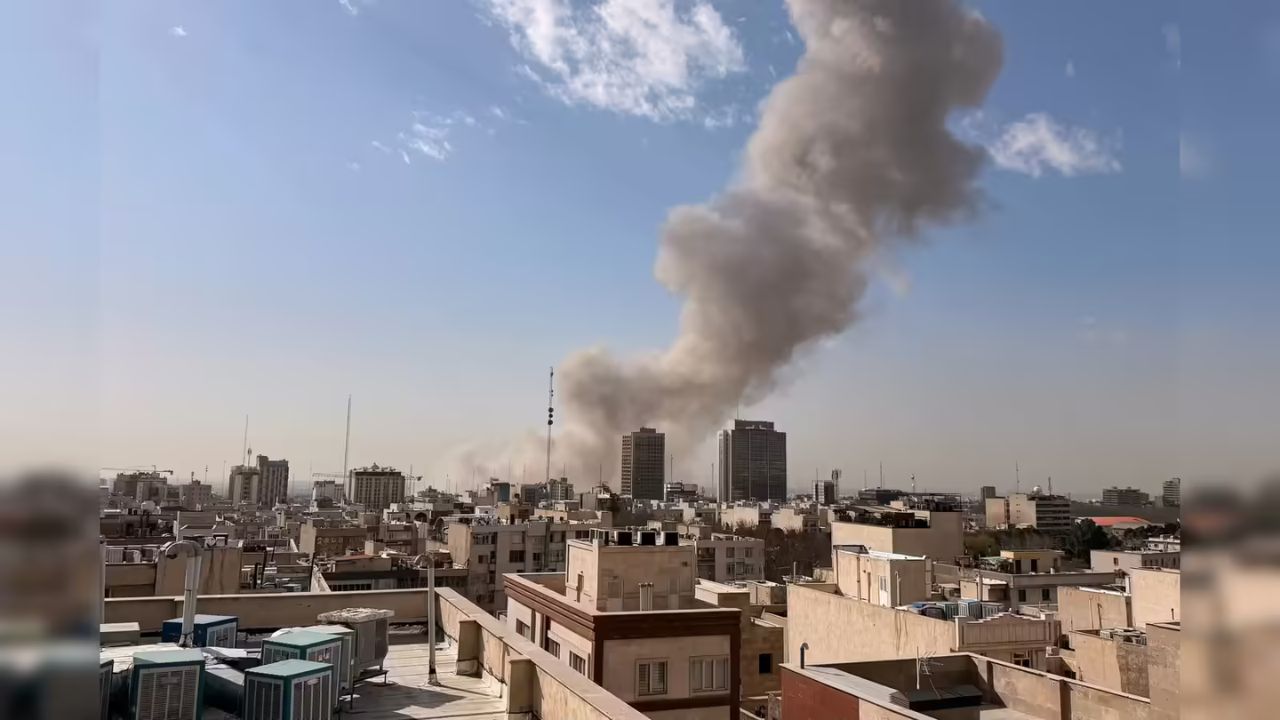
The conversation marks the second time within a week that the two leaders have spoken, reflecting India’s active diplomatic outreach as the conflict involving Iran, Israel and the United States continues to escalate.
Jaishankar shared details of the discussion on social media, stating that he had a telephonic conversation with Araghchi during the afternoon to exchange views on the ongoing developments.
‘Deployed vessel to help’: Indian Navy responded to distress call of Iranian warship IRIS Dena
Apart from the conversation with Iran, Jaishankar also spoke with Sayyid Badr bin Hamad bin Hamood Albusaidi, the foreign minister of Oman. The discussion focused on the growing tensions across the Gulf region and the potential implications for regional stability.
Oman has traditionally played a balancing role in West Asian diplomacy, making the conversation significant amid efforts to prevent further escalation. India’s engagement with multiple regional actors highlights New Delhi’s attempt to remain closely involved in diplomatic developments as the crisis unfolds.
India has consistently advocated restraint and dialogue since the conflict began. During an earlier conversation on February 28, Jaishankar conveyed India’s deep concern over the deteriorating situation in the region and stressed the importance of resolving disputes through diplomatic means.
On the same day, he also spoke with Israeli Foreign Minister Gideon Sa’ar, reiterating India’s position that dialogue and diplomacy remain the best path to easing tensions.
Prime Minister Narendra Modi is also closely monitoring developments in the region. Last week, he chaired a meeting of the Cabinet Committee on Security to review the situation and assess its implications for India. Modi has also been engaging with global leaders on the crisis. On Thursday, he held a conversation with Emmanuel Macron, President of France, during which both leaders expressed concern over the escalating tensions in West Asia.
With millions of Indian citizens living and working across the Gulf region, New Delhi is carefully monitoring the situation. The government has repeatedly stressed the importance of maintaining stability and ensuring the safety of Indian nationals.
India’s diplomatic outreach reflects its broader effort to encourage peaceful dialogue while safeguarding its strategic interests in the region.