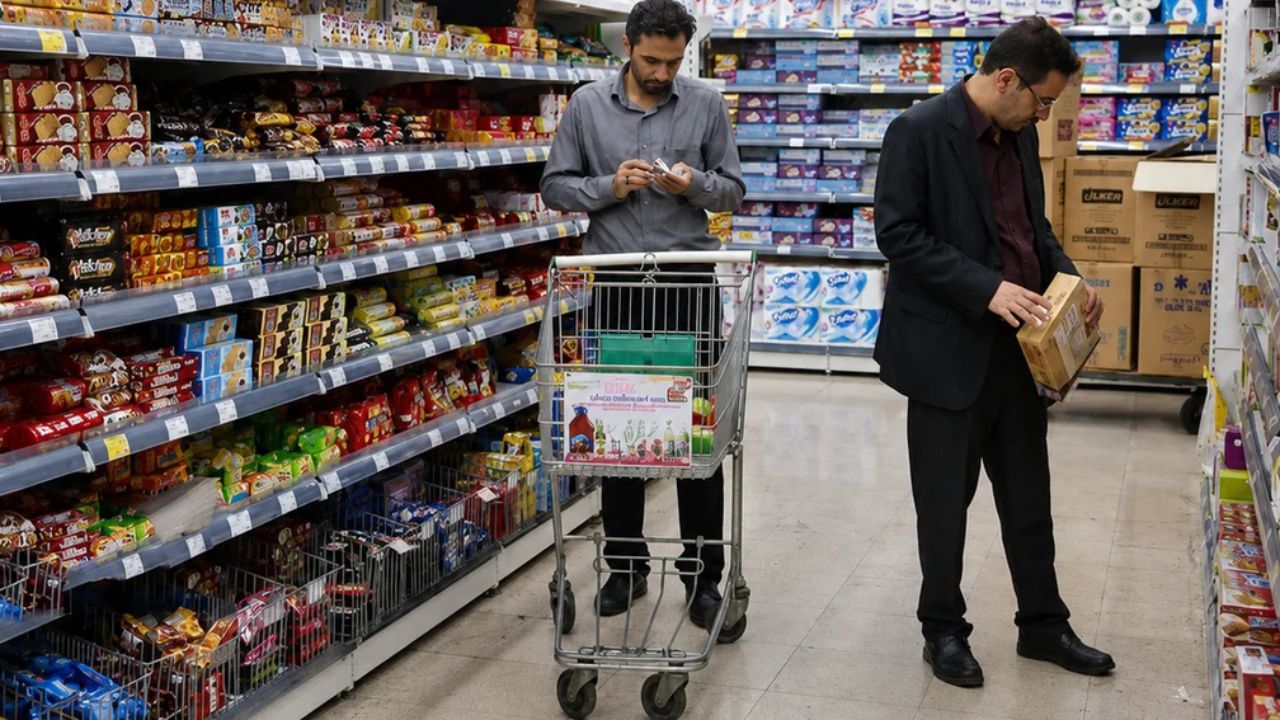
Official figures show Iran’s GDP fell 10.1%, while industries, mining and services also recorded significant declines. (Images: Google)
Tehran: Iran’s economy contracted 10.1% year-on-year during the first quarter of the Persian calendar, according to official data, as the period coincided with the opening months of the war involving the United States, Israel and Iran.
The Statistical Center of Iran reported that the country’s Gross Domestic Product (GDP) declined by 10.1% between March 21 and June 20 when oil-related activity was included. The period substantially overlapped with the conflict that began with US and Israeli strikes on Iran on February 28, 2026.
The downturn was not limited to the energy sector. Iran’s economy contracted 4.6% when oil was excluded, indicating that economic pressure spread across other parts of the country. The figures point to a broad slowdown involving industry, services, trade and other economic activities during the quarter.
Oil and natural gas extraction recorded the steepest decline among the major sectors, falling 26.4% from a year earlier. The oil sector is particularly significant for Iran because energy exports provide an important source of foreign currency. The sharp fall in oil-related activity therefore had a substantial impact on the headline GDP figure.
Iran’s industries and mining sector contracted 14.7% during the quarter, adding to the pressure on overall economic activity. Services which is the another major contributor to GDP, declined 4.8% year-on-year.
Agriculture was the main exception among the major sectors, recording 2.3% growth during the period.
While the economic figures cover a period that largely coincided with the conflict, the Statistical Center of Iran did not explicitly state that the war was the direct cause of the contraction. The timing nevertheless places the decline alongside disruptions affecting Iran’s energy production, transportation, trade and economic activity.
The conflict has also created wider disruption around the Strait of Hormuz, a critical route for global energy shipments. Restrictions and disruptions in the waterway have affected shipping activity and added pressure to regional energy markets.
For Iran, difficulties moving crude exports have created an additional challenge at a time when the economy is already dealing with sanctions, inflation and currency weakness.
The latest GDP figures come against a backdrop of longer-running economic difficulties. US sanctions have restricted Iran’s access to international trade and finance, while a weaker Rial and elevated prices have increased pressure on consumers and businesses. The combination of external restrictions and conflict-related disruption has made oil exports and access to foreign currency particularly important for the Iranian economy.
The latest numbers cover only the first quarter of the Persian calendar and therefore do not provide a full-year picture. Future economic performance will depend on the trajectory of oil production and exports, trade flows, domestic demand and industrial activity.
Continued disruption around the Strait of Hormuz could also influence Iran’s economic performance in subsequent quarters. For now, the official figures show the scale of the contraction during the first three months covered by the data, with the oil and gas sector emerging as the hardest-hit major part of the economy.

