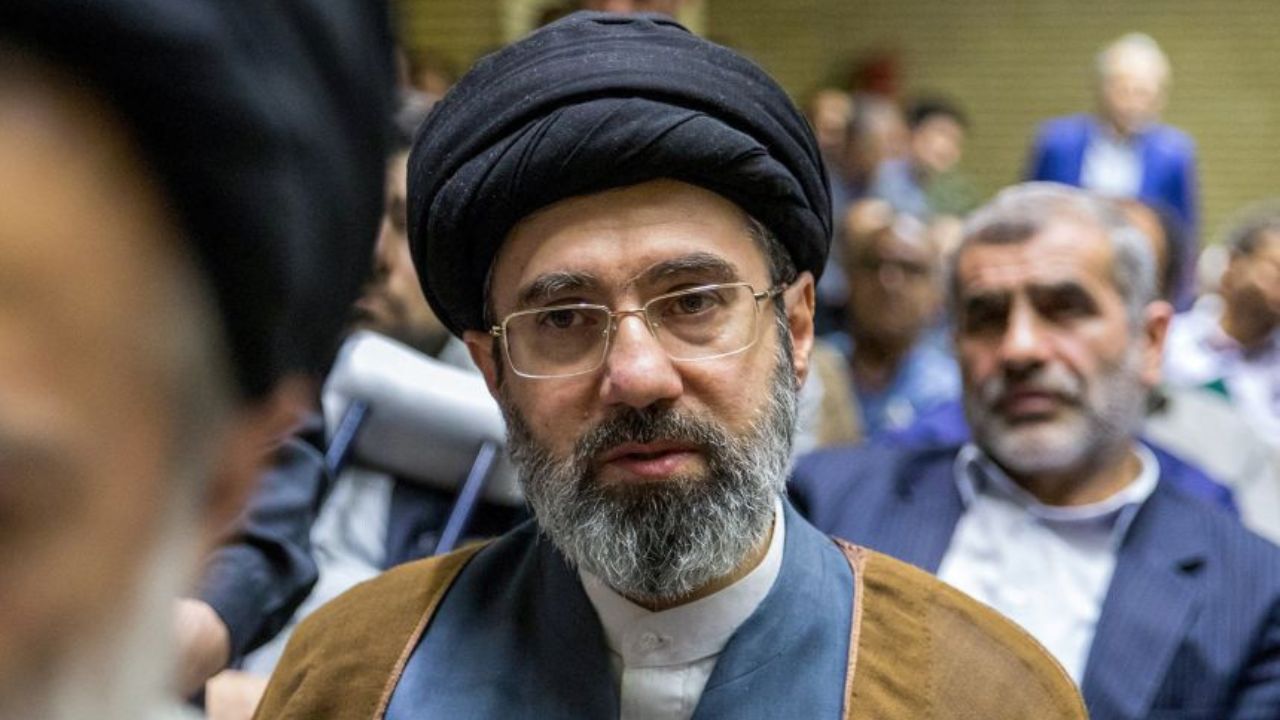
Mojtaba Khamenei’s Statement Fuels Uncertainty in Iran (Img: Internet)
New Delhi: Iran’s Supreme Leader Mojtaba Khamenei on Tuesday warned that Gulf countries would no longer act as a “shield” for United States military bases in the region. His remarks came as Tehran and Washington continue discussions over a possible framework aimed at easing tensions in the Middle East.
In a written Eid al-Adha message broadcast on Iranian state television and reported by AFP, Khamenei said that the “hands of time will not turn backwards” and that regional nations would no longer support or protect US military presence. He added that American influence in the region was steadily declining and weakening with each passing day.
According to the reports, Khamenei also stated that the United States was losing its strategic standing in the region. He said Washington was moving further away from its former position of dominance and would no longer have what he described as a “safe haven” for military operations in the Gulf.
Al Jazeera, citing his Telegram channel, reported similar remarks in which he warned that US bases in the region would no longer be secure under changing regional dynamics.
Meanwhile, diplomatic sources indicated that discussions between Iran and the United States have made progress toward a possible 14-point memorandum of understanding. The proposed framework reportedly focuses on ending the ongoing conflict and easing maritime tensions, including conditions related to the Strait of Hormuz.
Iranian foreign ministry spokesperson Esmaeil Baghaei said that consensus had been reached on several issues, although he stressed that a final agreement was not imminent.
The emerging draft may include steps to end fighting across multiple fronts, ease maritime restrictions, and allow safer passage through the Strait of Hormuz. Iran could receive relief from naval blockades and broader economic restrictions, including oil trade permissions.
However, major disputes remain unresolved, particularly over Iran’s nuclear programme, sanctions relief, and ballistic missile capabilities.
A senior Iranian official noted that nuclear-related commitments were not part of the current draft, while US sources suggested preliminary agreement in principle on reopening key shipping routes in exchange for concessions.
Reports also suggest that if Iran’s Supreme National Security Council approves the draft, it would be sent for final review. US officials, however, believe Khamenei may already have signalled approval of the broad outline.
Despite diplomatic movement, Mojtaba Khamenei has remained out of public view since assuming leadership in March following the death of former Supreme Leader Ali Khamenei, as regional tensions and negotiations continue to evolve.

