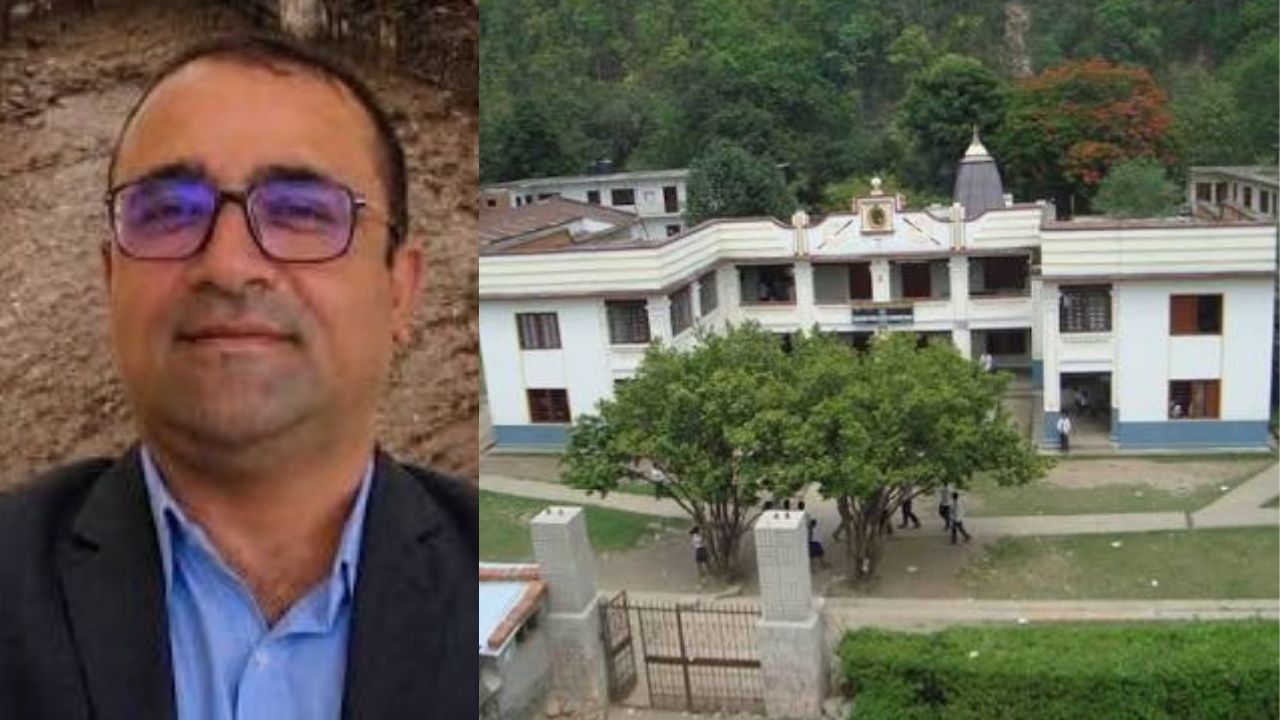
Nepal teacher’s 10-minute decision saves 1,643 students before deadly flood strikes
Kathmandu: For most people, a flood warning may have been just another alert. But for Rajendra Dawadi, it became a race against time that saved the lives of 1,643 children.
The principal of Tribhuvan Trishuli Secondary School in Nepal’s Nuwakot district received urgent information that dangerous floodwaters were moving rapidly towards the area. Within minutes, he made a life-changing decision — evacuate the school before it was too late.
Just moments after the students reached safer ground, a powerful flash flood carrying mud, rocks, ice and debris swept through the Trishuli Valley. Buildings were damaged, bridges collapsed and nearby settlements were devastated.
But thousands of children survived because one teacher trusted the warning and acted without delay.
The incident has now become one of Nepal’s most remarkable disaster survival stories, highlighting the importance of early warnings, emergency preparedness and quick decision-making during natural calamities.
It was a regular school day at Tribhuvan Trishuli Secondary School when Rajendra Dawadi began receiving alarming calls from people in nearby areas. The information coming in was disturbing. Floodwaters had already affected upstream settlements, including Betrawati, and the danger was moving towards the Trishuli Valley.
Initially, Dawadi believed the school was in a safe location. The three-storey building was situated above the river level, and there was no immediate indication that the flood could reach the campus.
However, multiple warnings arriving within minutes changed his assessment. Realising that waiting for official confirmation could put hundreds of children at risk, Dawadi decided to act immediately.
The school bell that normally marked the beginning of classes became an emergency warning signal. Dawadi instructed teachers to remove students from classrooms and guide them towards higher ground.
Around 900 students were already inside the school, while hundreds of others were travelling by bus and on foot. The principal also contacted school bus drivers and ordered them to turn back immediately.
Most buses returned safely, but one bus was already near a bridge when the warning reached the driver. The vehicle managed to move away just before the bridge was destroyed by the force of the floodwaters. Those few minutes made the difference between survival and disaster.
Among the survivors was 16-year-old student Yunisha, who witnessed the terrifying moments as the flood approached. She and her classmates rushed through muddy and narrow paths towards safer ground. The situation changed so quickly that students barely had time to understand the danger around them.
Within moments, they watched nearby areas being swallowed by the powerful flood current. The students eventually reached higher ground and took shelter under a bodhi tree while the disaster unfolded around them.
For many parents, those hours were filled with fear and uncertainty. Phone calls went unanswered, and families waited desperately for news about their children. Relief finally came when students were confirmed safe.
Soon after the evacuation was completed, the full force of the disaster struck the region. A massive surge of water carrying mud, rocks and debris swept through the Trishuli Valley, damaging buildings, roads, bridges and other infrastructure.
The school area suffered major destruction, but the biggest tragedy was avoided: all 1,643 students survived. However, the disaster claimed the lives of two members of the school community.
Social history teacher Santos Pariyar, 32, died after returning to his rented accommodation near the river. School caretaker Sultan Lama also lost his life after going back towards the school area to close the school gates.
The devastating flood was linked to a major natural event near the Nepal-Tibet border. A huge mass of ice and rock reportedly broke away from the Langtang Lirung mountain region and entered the river system, triggering a sudden and destructive surge.
The flood carried enormous amounts of debris through Himalayan valleys, affecting communities in Nepal and Tibet. The disaster has once again highlighted the vulnerability of Himalayan regions, where changing weather patterns, glacier instability and extreme rainfall events are increasing risks for local populations.
Nepal continues to deal with the aftermath of one of its deadliest recent flood disasters. Emergency teams, including the Nepal Army and disaster response agencies, are carrying out rescue and relief operations in affected areas.
Several hydropower projects have also suffered damage, with workers trapped in tunnels and rescue teams facing difficult conditions while trying to reach them. Authorities are monitoring river levels and issuing fresh alerts as unstable weather conditions continue in several areas.
Rajendra Dawadi has been praised by students, parents and local residents for his courage, but he considers his decision a responsibility towards his students.
His story has become an example of crisis leadership, proving how one person’s alertness and courage can prevent a massive tragedy. A warning call. A 10-minute decision. A school bell. And 1,643 children got a second chance at life. For the families of 1,643 students, Rajendra Dawadi’s decision will forever remain the moment that brought their children safely back home.

