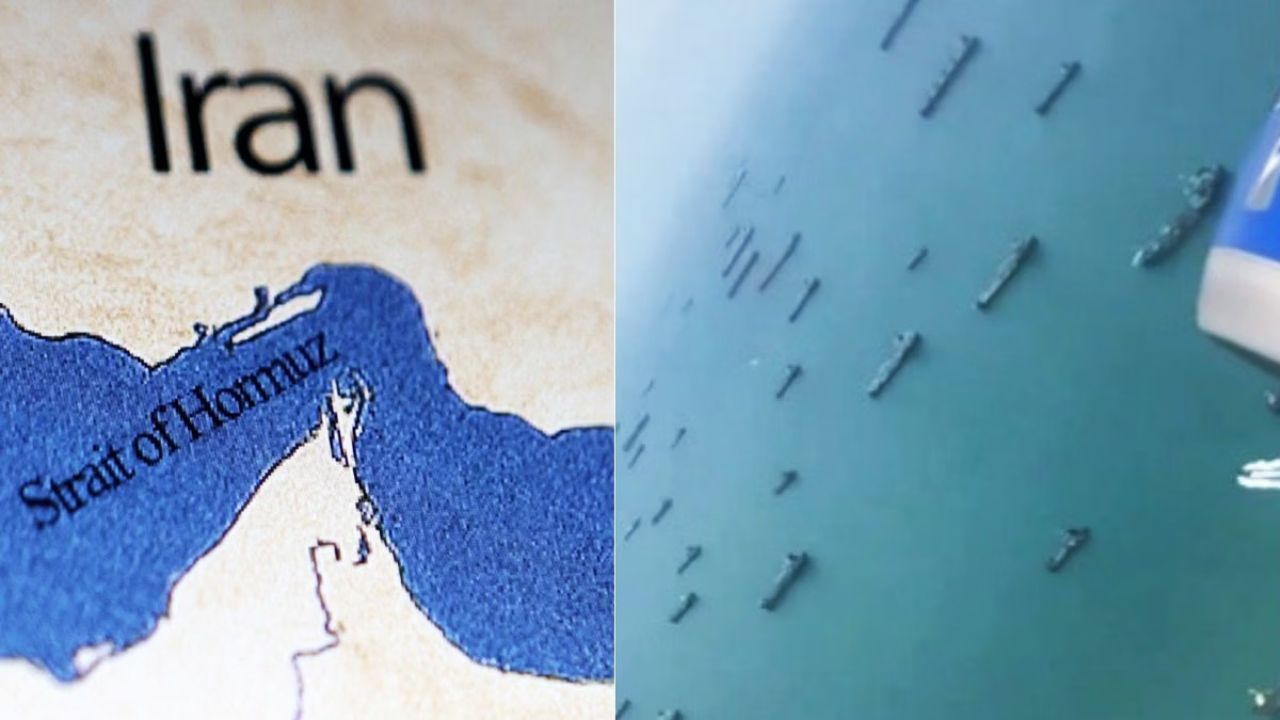
Iran allows 'non-hostile' ships to pass through Strait Of Hormuz
Tehran: Amid escalating tensions in West Asia, Iran has introduced fresh conditions for vessels passing through the strategically crucial Strait of Hormuz.
Iran’s mission to the United Nations in New York stated that only “non-hostile” ships will be permitted to transit, and even these must comply with specific safety protocols and coordinate in advance with Iranian authorities.
Gas Crisis: Two Indian vessels cross Strait of Hormuz; Know how many tonnes LPG they will bring
The Iranian Defence Council has made it clear that prior coordination is now a requirement for passage through the waterway. Ships must ensure they are not involved in or supporting any actions deemed hostile to Iran.
Officials emphasised that compliance with Iran’s security regulations will be necessary to ensure safe transit through the narrow but critical shipping route.
The announcement comes alongside a stern warning from Tehran. According to Iranian state media, authorities have cautioned that any further attacks on the country’s energy infrastructure, including power plants, would trigger a swift and forceful response from the armed forces.
Iran has linked these measures to what it describes as continued military pressure from the United States and Israel.
The Strait of Hormuz is one of the world’s most vital oil transit chokepoints. Located between Iran and Oman, it connects the Persian Gulf to the Gulf of Oman and the Arabian Sea.
A significant portion of global crude oil shipments passes through this narrow corridor, making any disruption a matter of international concern for energy markets and global trade.
‘Me And New Ayatollah’: Trump Talks About Joint Control Of Hormuz, Says Strait To Open ‘Very Soon’
Meanwhile, Donald Trump заявил that the United States has effectively neutralised Iran’s military capabilities, claiming significant damage to its naval and air forces. He also indicated that negotiations may be underway, suggesting a possible diplomatic opening despite the heightened rhetoric.
The latest development adds to uncertainty in global markets, particularly in the energy sector. Any restriction or disruption in the Strait of Hormuz could have far-reaching implications for oil prices and supply chains worldwide.
As tensions evolve, the situation remains fluid, with both geopolitical and economic stakes continuing to rise.

