 English
 English

Russia’s UN move puts India’s permanent UNSC seat campaign back in global spotlight. (Img: X)
New Delhi: India’s decades-long push for a permanent seat at the United Nations Security Council has gained fresh diplomatic momentum after Russia backed New Delhi’s candidature during the high-level session of the 81st United Nations General Assembly.
Russian Foreign Minister Sergey Lavrov, while addressing world leaders in New York, supported reforms aimed at making the UN Security Council more representative of current global realities. Moscow highlighted the need for stronger representation from Asia, Africa and Latin America, while specifically backing India and Brazil for permanent membership.
The development has renewed global attention on the long-running debate over reforming the United Nations’ top decision-making body, which many countries argue does not reflect today’s geopolitical and economic landscape.
With India emerging as one of the world’s largest economies and a major voice of the Global South, the latest diplomatic support has added momentum to its campaign for a greater role in global governance.
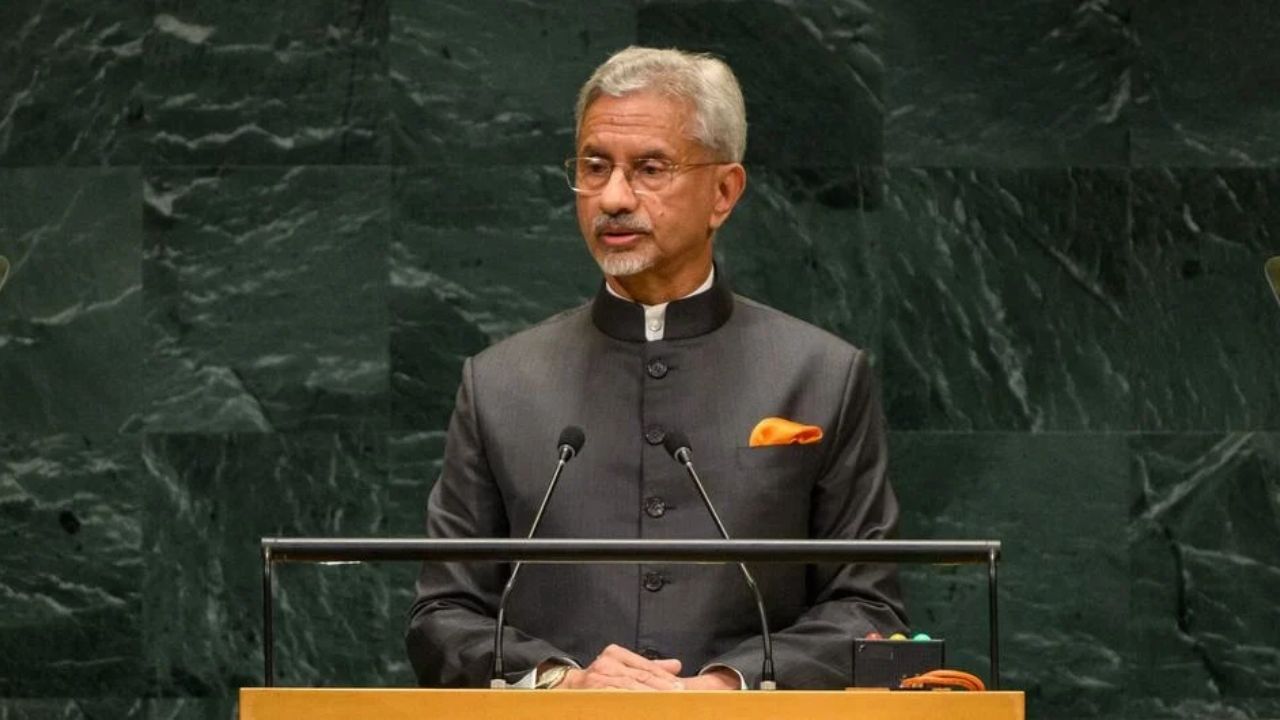
During his address at the UNGA 81 session, Lavrov emphasised that any reform of the Security Council should focus on broader representation and protect the existing framework of the permanent members.
Russia’s position supports expanding the influence of developing regions rather than increasing representation of additional Western countries.
Moscow’s backing comes at a time when several nations are demanding changes in the structure of the Security Council, arguing that the current system was created after World War II and does not fully represent the modern international order.
The Security Council currently has five permanent members — China, France, Russia, the United Kingdom and the United States — with veto powers, along with ten elected non-permanent members serving two-year terms.
India has consistently argued that the UN Security Council must evolve to reflect present-day realities, including the rise of emerging economies and changing geopolitical influence.
New Delhi’s case for permanent membership is based on factors including its large population, economic growth, contribution to UN peacekeeping missions, diplomatic engagement and role in addressing global challenges.
India is part of the G4 grouping, along with Brazil, Germany and Japan, which has been advocating expansion of permanent membership at the Security Council.
The issue has remained one of the biggest debates in international diplomacy, with countries divided over how the reform process should be structured.
Russia’s support for India is part of a broader discussion over increasing the role of the Global South in international institutions.
Several countries from Asia, Africa and Latin America have argued that developing nations require greater representation in decisions related to global peace, security, trade and development.
African nations have repeatedly highlighted that the continent, despite its growing population and strategic importance, does not have a permanent seat on the Security Council.
During the ongoing UN General Assembly session, multiple leaders called for reforms to make the United Nations system more inclusive and reflective of current global realities.
Apart from Russia, several other countries have expressed support for restructuring the Security Council.
Mauritius backed India’s candidature, highlighting New Delhi’s contribution to international affairs and its role in global development.
Portugal also supported a more representative Security Council and called for greater permanent representation for India, Brazil and African countries.
The Marshall Islands reiterated support for the G4 grouping, including Japan’s bid for a permanent role.
These developments have strengthened discussions around expanding the membership of the Security Council, although reaching a final agreement remains a complex diplomatic challenge.
Any change in the composition of the Security Council requires a two-thirds majority approval in the UN General Assembly and ratification by two-thirds of member states, including all five existing permanent members.
The veto power held by permanent members makes the reform process highly complicated, as major powers have different positions on expansion and representation.
While several countries support India’s inclusion, the path towards permanent membership still depends on negotiations among UN members and existing power structures.
The latest diplomatic development comes amid a broader shift in global power dynamics, with emerging economies seeking a stronger voice in international institutions.
India has positioned itself as a key representative of the Global South and has repeatedly called for reforms in global governance structures.
Russia’s backing has strengthened diplomatic discussions around India’s UNSC aspirations, but the final outcome will depend on wider consensus among UN member states.
As debates over the future of global leadership continue, Security Council reform is expected to remain one of the most important issues shaping international diplomacy.