 English
 English

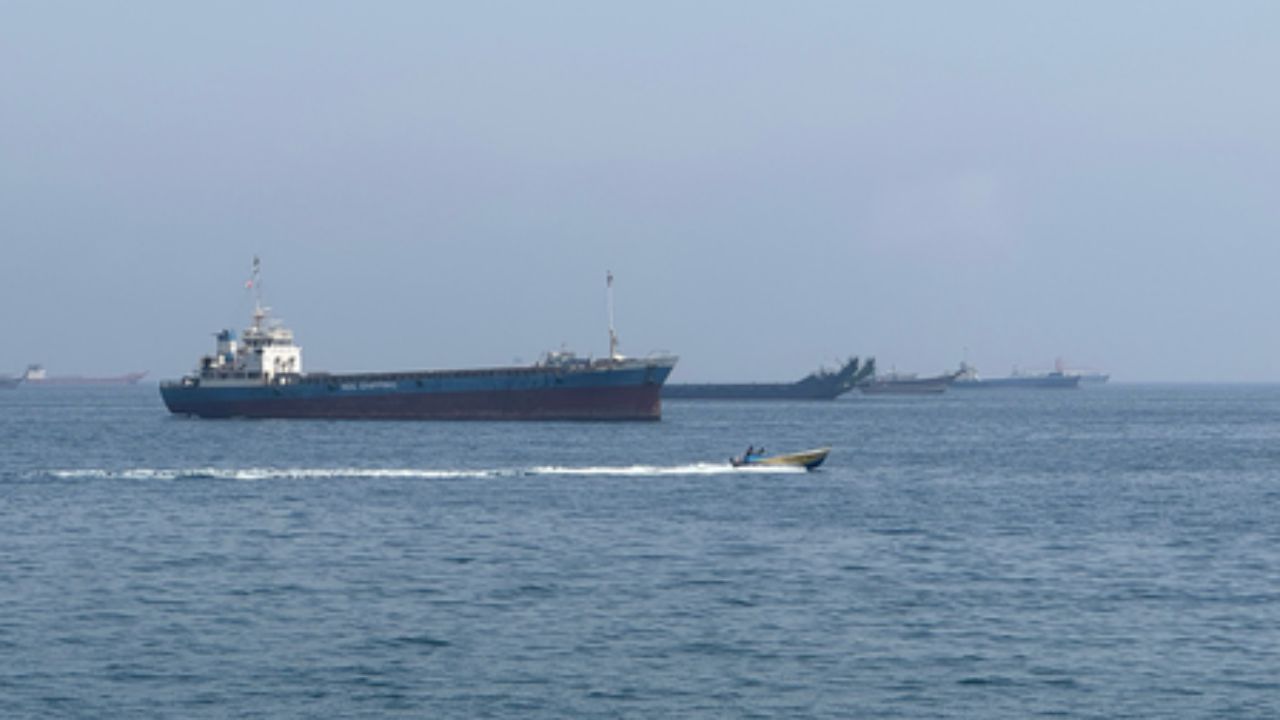
Global crude oil prices recover as renewed attacks on commercial vessels in the Strait of Hormuz heighten concerns over supply disruptions. (Img: Pinterest)
New Delhi: Global crude oil prices recovered on Wednesday after touching a two-month low in the previous trading session, as renewed attacks on commercial vessels in the Strait of Hormuz heightened concerns over supply disruptions and countered optimism surrounding a possible diplomatic breakthrough in the US-Israeli conflict with Iran.
Brent crude futures gained USD 1.04, or 1.1 percent, to trade at USD 92.53 per barrel at 0950 IST, while US West Texas Intermediate (WTI) crude rose 67 cents, or 0.8 percent, to USD 86.71 per barrel.
Market sentiment remained divided between expectations of easing geopolitical tensions and persistent security threats to maritime traffic through the strategically significant waterway.
According to data from the Washington Institute for Near East Policy, 37 vessels came under attack in the Strait of Hormuz and adjoining waters in October, marking the highest monthly tally since the outbreak of the Middle East conflict. The incidents have shown little indication of abating, with fresh attacks reported in November.
The United Kingdom Maritime Trade Operations agency reported that a tanker was struck northeast of Lima, Oman, on Tuesday. Separately, Iran's Revolutionary Guards Navy said two tankers caught fire after encountering naval mines while travelling through what it described as an unauthorised shipping route in the strait.
The continuing incidents have raised questions over the safety of commercial vessels operating in the Gulf's critical maritime corridor.
Analysts have cautioned that even a diplomatic settlement between Washington and Tehran may not immediately restore normal shipping activity. The resumption of regular oil movements through the Strait of Hormuz would depend on clearing naval mines, stabilising insurance costs and restoring shipowners' confidence in maritime security.
Oil prices had fallen by more than $3 per barrel in the previous session after US officials indicated that further military action against Iran might not be necessary. However, the decline was partly reversed after an Iranian security official disputed suggestions that negotiations between the two sides were underway. The contrasting signals have kept traders cautious about the prospects of a lasting de-escalation.
Meanwhile, data from the American Petroleum Institute indicated that US crude inventories increased by 9 million barrels in the week ending November 6, according to market sources. The increase in inventories could add to concerns over near-term demand and supply dynamics in the world's largest oil-consuming economy.
In a separate development, Ukrainian drone strikes have reportedly curtailed Russia's oil refining capacity by approximately 30% since late October. A drone attack also triggered a fire at the Ust-Luga port area on Russia's Baltic Sea coast, injuring three workers, according to a regional governor.
Against this backdrop, Russian and Ukrainian representatives met in Abu Dhabi on Tuesday for their first peace discussions since February, as US President Donald Trump's envoys intensified efforts to bring the prolonged conflict to an end. Developments in both the Middle East and Eastern Europe continue to remain important variables for global energy markets.