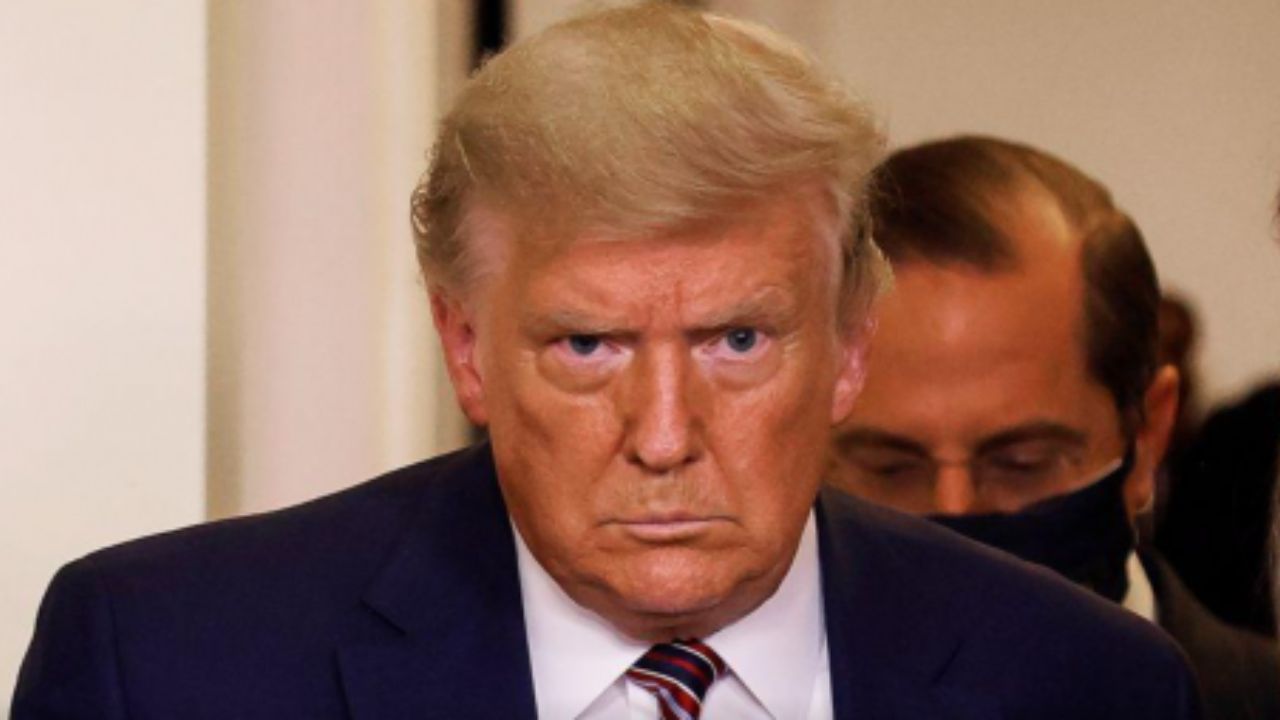
Donald Trump seeks complete end to Iran’s nuclear program (Image Source: Internet)
New Delhi: Tensions between the United States and Iran escalated sharply in late January 2026 as U.S. President Donald Trump signalled both readiness for talks and the possibility of military action. While Trump stated that he hoped to avoid war, his comments came alongside the deployment of a large U.S. naval fleet to the Middle East, raising concerns of an imminent conflict.
Speaking to reporters, Trump confirmed that communication channels with Iran remain open and that discussions are either ongoing or planned. However, he also warned that time is “running out” for Tehran to reach an agreement, particularly regarding its nuclear ambitions. The U.S. military presence in the region, according to Trump, is meant to pressure Iran without necessarily triggering a conflict.
Negotiate or Face the Wrath: Trump threatens Iran with ‘Far Worse’ attack, China rebukes US
Iran responded with stern warnings, making it clear that any U.S. military strike would provoke an immediate and decisive response. Iranian military officials stated that American aircraft carriers and military bases in the Gulf region are vulnerable and within missile range. Unlike previous limited confrontations, Tehran signalled that its response would not be restrained or symbolic.
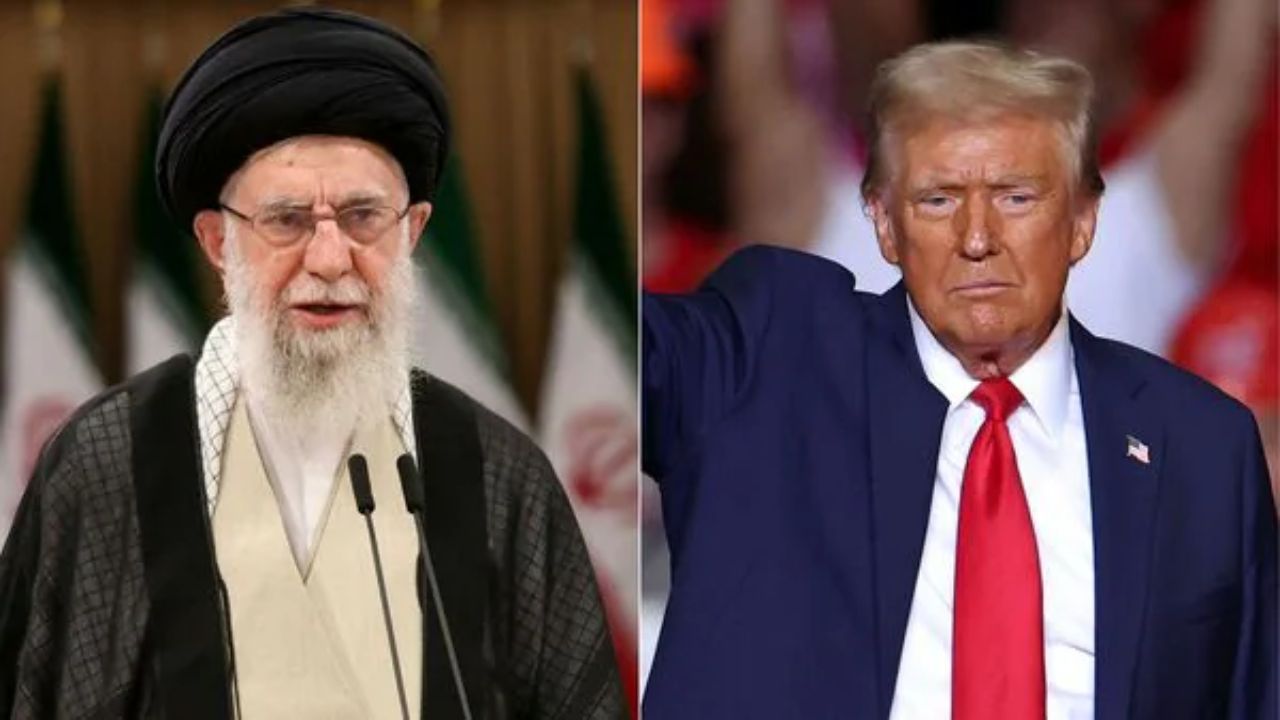
Iran's Supreme Leader Khamenei threatens Trump (Image Source: Internet)
Iranian officials dismissed the idea of a quick U.S. military operation, cautioning that miscalculations would plunge the region into chaos. Gulf nations hosting U.S. military installations also expressed concern, warning that any conflict would destabilise the region and cause global oil and gas prices to surge.
Amid the escalating rhetoric, United Nations Secretary-General António Guterres urged renewed nuclear negotiations to prevent a crisis with devastating regional consequences. Qatar also stepped in diplomatically, with its leadership holding talks with Iran to explore ways to reduce tensions and restore stability.
Meanwhile, the European Union intensified pressure on Tehran by designating Iran’s Islamic Revolutionary Guard Corps (IRGC) as a terrorist organisation. EU leaders justified the move by citing Iran’s violent crackdown on recent mass protests, which rights groups say resulted in thousands of deaths.
Iran has been rocked by widespread protests since late December, sparked by economic hardship and political dissatisfaction. Human rights organisations report thousands of deaths, though figures vary widely between independent monitors and official Iranian statements. Tehran maintains that most fatalities were security personnel or bystanders, while rights groups allege widespread use of lethal force against civilians.
US-Iran Tensions Escalate: Trump warns of far worse attack, Iran fires back; Full story here
Public sentiment within Iran reflects fear, exhaustion, and uncertainty. Many citizens expressed resignation about the possibility of war, while others hoped that any major change—peaceful or otherwise—might improve their bleak circumstances.
Trump has increasingly shifted focus toward Iran’s nuclear programme, warning that the U.S. naval strike group in the region is fully prepared for action. While diplomatic options remain on the table, the combination of military posturing, sanctions, protests, and international pressure has created a volatile situation with unpredictable consequences.


