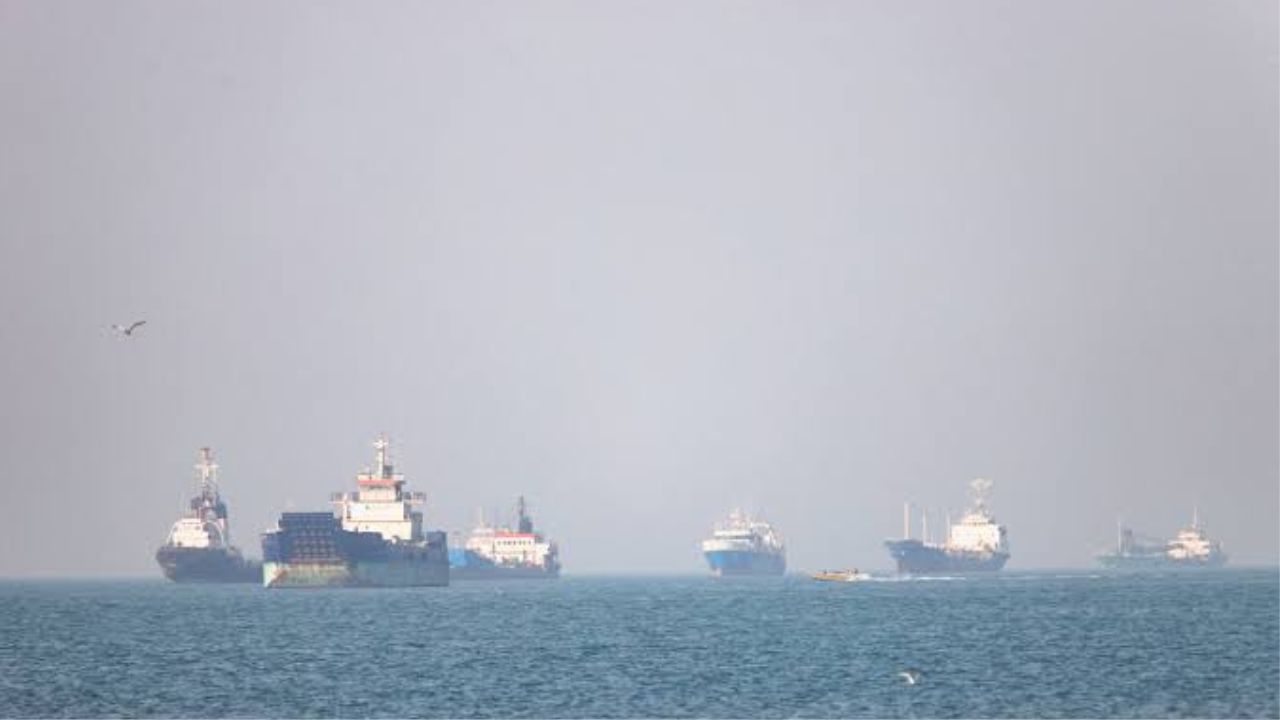
Iranian warship patrols near Strait of Hormuz as Indian tanker HAANA faces reported warning
Washington: The United States launched a series of power strikes on Iranian targets after two oil tankers were attacked in the Strait of Hormuz, dramatically escalating tensions in one of the world's most strategically important waterways. The operation marks one of the most significant confrontations between Washington and Tehran in recent months, raising fears of a wider regional conflict and renewed disruption to global energy supplies.
According to U.S. officials, the strikes were carried out in response to attacks on commercial vessels navigating the Strait of Hormuz. Washington accused Iran-backed forces of targeting the tankers, describing the incident as a direct threat to international maritime security.
The U.S. military said it targeted facilities linked to missile launches, drone operations and air defence systems, adding that the action was intended to deter further attacks on civilian shipping.
Iran has denied involvement in the tanker attacks and condemned the strikes as a violation of its sovereignty.
The Strait of Hormuz is one of the world's busiest oil transit routes, with nearly one-fifth of global crude oil shipments passing through the narrow waterway every day. Any disruption in the region can have immediate consequences for international trade, fuel supplies and global markets.
Following the latest developments, several shipping companies reviewed security measures while governments urged commercial vessels to exercise caution in the Gulf.
Global oil prices rose after news of the strikes, reflecting investor concerns over potential supply disruptions. Analysts warned that any prolonged military escalation could increase fuel prices, shipping costs and inflation, particularly for oil-importing countries.
Financial markets also witnessed increased volatility as traders monitored developments in the Middle East.
The latest exchange has further strained already fragile relations between Washington and Tehran. While the United States said it remains committed to protecting freedom of navigation, Iran warned that it would respond to any action threatening its national security.
Several countries, including European allies and Gulf nations, have called for restraint and urged both sides to return to diplomatic engagement to prevent a broader conflict.
The confrontation extends beyond the Middle East. Any sustained instability in the Strait of Hormuz could affect energy security, international shipping and global economic growth. With diplomatic efforts under pressure and military activity intensifying, world leaders are closely watching whether the crisis can be contained or risks developing into a wider regional confrontation.

