Trump expands travel ban to 20 more countries
Washington: The Trump administration is set to implement a significantly expanded US travel ban starting 1 January 2026, affecting 39 countries through a combination of full and partial entry restrictions. The move builds on the June 2025 travel-ban framework but introduces broader criteria, citing security, administrative, and immigration enforcement concerns.
According to the administration, the updated policy addresses more than terrorism concerns. Officials highlighted weaknesses in civil documentation, identity verification, and information sharing in several countries.
High visa-overstay rates, refusal to repatriate nationals, widespread corruption, and Citizenship-by-Investment (CBI) programs were also cited as factors undermining US authorities’ ability to assess potential risks from foreign travelers.
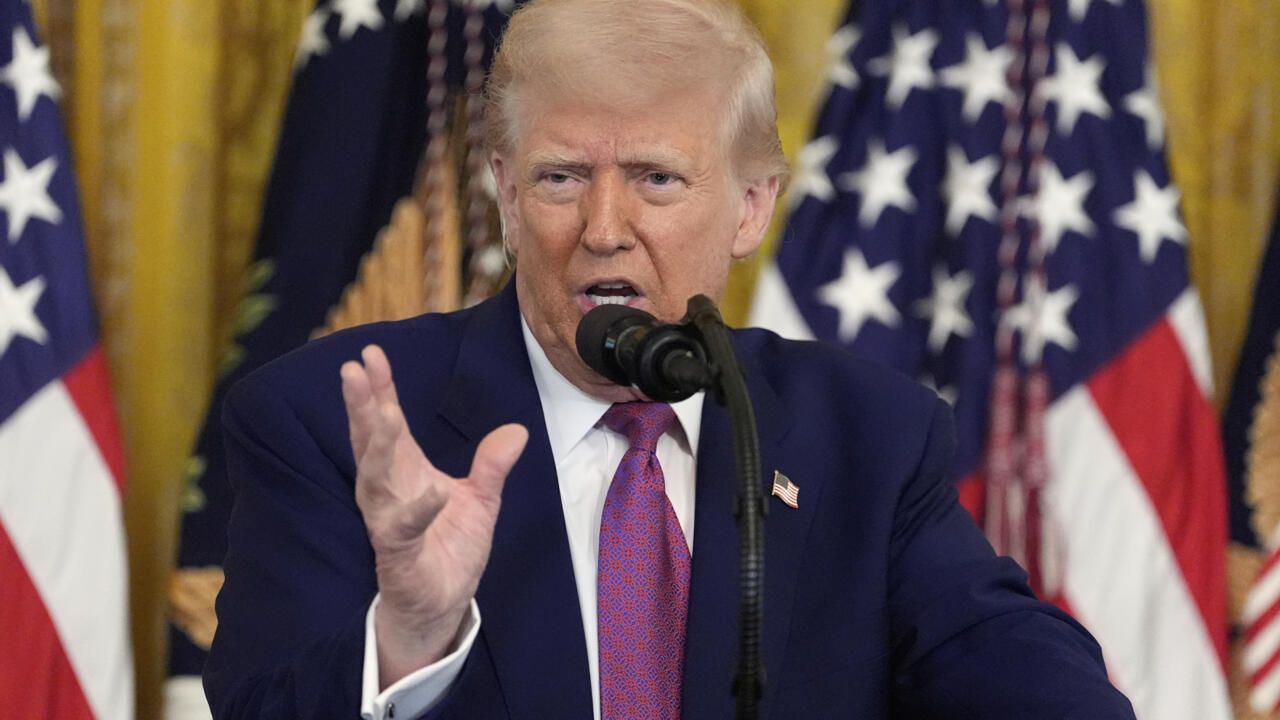
President Trump, in a proclamation, emphasized that countries with inadequate records or unreliable vetting systems “pose serious threats to national security and public safety.” He added that US authorities cannot accurately evaluate risk without reliable criminal and identity data.
Full entry suspensions continue for nations previously listed, including Afghanistan, Iran, Libya, Somalia, Yemen, and others. The administration has added Burkina Faso, Mali, Niger, South Sudan, Syria, and individuals traveling on documents issued by the Palestinian Authority. Laos and Sierra Leone have moved from partial to full restrictions due to persistent visa-overstay rates and weak identity management.
Partial restrictions now apply to 15 additional countries, including Angola, Nigeria, Senegal, Tanzania, and Zambia. The United States cited terrorist threats, administrative gaps, and overstay patterns as key reasons for these limitations. The only country seeing eased restrictions is Turkmenistan, where non-immigrant visas have been restored following improvements in information sharing and documentation.
Certain travellers remain exempt, including lawful permanent residents, holders of valid visas, diplomats, athletes at global events, persecuted minorities, and special immigrant visa holders. Case-by-case waivers are also allowed for individuals whose entry serves US national interests, such as witnesses in criminal proceedings.
Very good talks with Zelensky: Trump says Ukraine peace deal is closer than ever
The administration frames the travel-ban expansion as both protective and incentivizing, pressuring countries to improve civil records, share information, and reduce visa overstays. These restrictions will be reviewed every 180 days, allowing adjustments based on progress or persistent risks.
The policy coincides with a broader crackdown on US immigration, including heightened scrutiny of asylum applications, green-card holders, and deportation operations, following recent security incidents linked to foreign nationals.
The expanded travel ban represents one of the most extensive immigration measures under the Trump administration, highlighting a focus on national security, administrative integrity, and stricter immigration controls.

