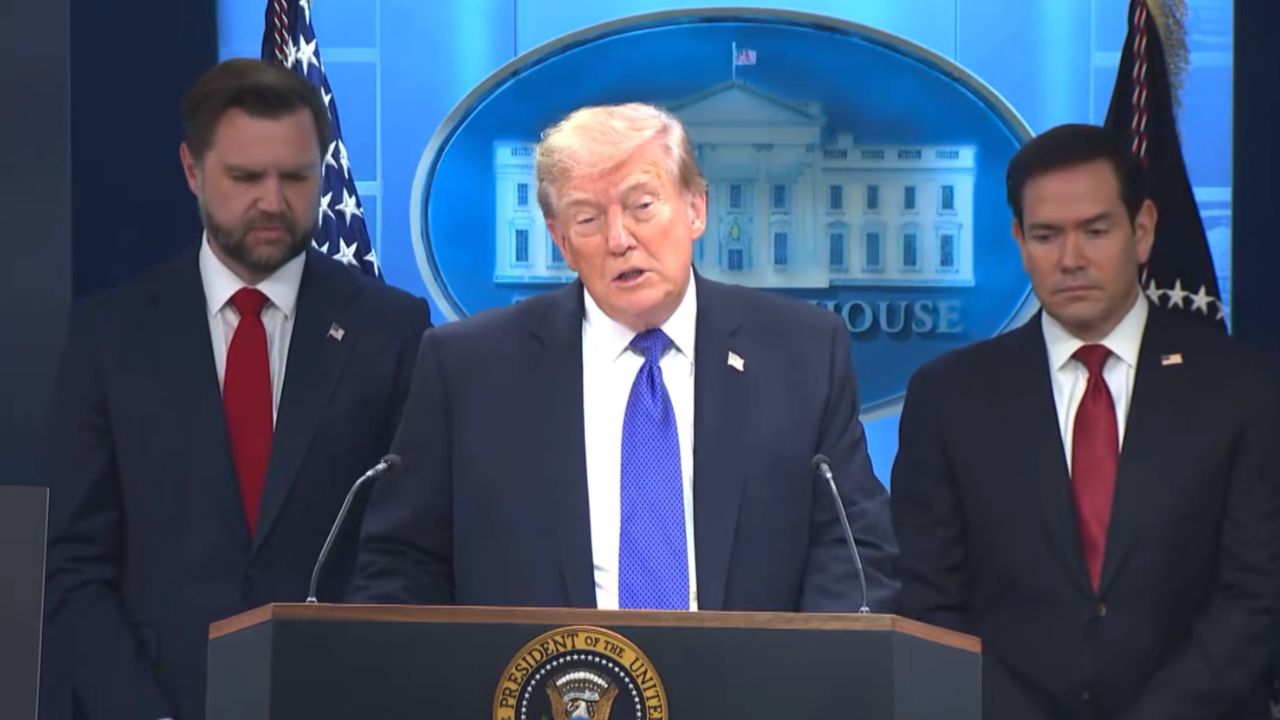
Rubio reportedly angered as Trump backs Jensen Huang's Nvidia comeback. (Img: X)
Washington: US Secretary of State Marco Rubio was reportedly furious when Jensen Huang was reinstated as Nvidia's CEO on Monday. For months, Rubio raised concerns about the tech executive's alleged links to a suspected Chinese intelligence asset. He had previously prepared a classified memo warning President Donald Trump about Huang's relationship with Alice Huang, who was reportedly connected to China's intelligence network.
However, Rubio was sidelined during a behind-the-scenes weekend effort led by Trump, Vice President JD Vance and Nvidia's board to bring Huang back to the helm of the chipmaker, according to reports. Trump personally intervened, speaking to influential figures in Wall Street and Silicon Valley as he pushed for Huang's reinstatement.
The effort to restore Huang's position reportedly gathered momentum after Trump and Vance held discussions with Nvidia board members and the CEO. The board sought assurances from the administration that Huang was not considered a national security threat and was not facing a Justice Department investigation.
US President reportedly assured the board that the government had no legal concerns about Huang and would not view his return as a national security risk. The assurances were central to the board's decision to bring him back.
Trump later told CNBC in an interview that Huang had been "exonerated" following a "pretty good investigation".
The weekend negotiations reportedly bypassed several senior officials, including Director of National Intelligence Jay Clayton, Commerce Secretary Howard Lutnick and CIA Director John Ratcliffe. Rubio, who also serves as Trump's national security adviser, was not included in the discussions.
The absence of Rubio and other senior officials raised questions about internal divisions within the administration, particularly over China's intelligence activities and the enforcement of restrictions on advanced semiconductor exports.
Rubio and Treasury Secretary Scott Bessent had reportedly expressed reservations about Huang's return. However, the final decision was driven by Trump's push to restore the Nvidia chief, with the company's board informing the president and Vance late on Sunday that Huang would be reinstated before markets opened on Monday.
Rubio's frustration reportedly stemmed from his earlier warnings about Huang's association with Alice Huang. His classified memo, prepared earlier this year using intelligence information, reportedly detailed Alice Huang's links to China's Ministry of State Security.
Rubio had also briefed Trump on the intelligence during a trip to China in May, before Jensen Huang joined the presidential delegation. Despite those warnings, Trump reportedly continued to back the Nvidia chief's return.
Rubio has not publicly challenged Trump over the decision. However, when reporters questioned him about Huang's reinstatement on Monday, the Secretary of State reportedly appeared visibly disappointed, offering an awkward smile before leaving.
The episode comes amid speculation that Rubio could leave Trump's Cabinet over disagreements with the president on multiple issues, including the Iran conflict.
Trump's push to bring Huang back reportedly reflects Nvidia's importance to his broader economic agenda. The US president has placed artificial intelligence at the centre of his strategy for economic growth and technological leadership.
Huang's departure had also reportedly rattled financial markets, raising concerns about the company's valuation and its role in the global AI race. Trump may have feared that Nvidia without Huang could weaken the US position in the competition with China over artificial intelligence.
The decision to reinstate Huang, therefore, appears to have prioritised Nvidia's market stability and America's AI ambitions, even as it exposed tensions among senior officials in Trump's administration over national security concerns.

