 English
 English

Wooden skis instead of boats: Kashmiri harvesters navigate Wular Lake's marshlands to collect water chestnuts. (Img: Dynamite News)
Srinagar: In north Kashmir’s Bandipora district, traditional water chestnut harvesters are using handmade wooden skis to navigate the muddy, waterlogged landscape of Wular Lake. The centuries-old-looking technique, known locally as Pachee Khraw Khoor, showcases Kashmiri ingenuity, sustains rural livelihoods and highlights the deep connection between local communities and one of Asia’s most important freshwater lakes.
While skis are commonly associated with snow-covered mountains and winter sports, people living around Wular Lake have developed an entirely different use for them. In the wetlands of Bandipora, handmade wooden skis help local harvesters navigate thick silt, shallow waters and dense aquatic vegetation while collecting water chestnuts, locally known as Gaer.
This distinctive harvesting practice reflects generations of traditional knowledge and an extraordinary adaptation to the region's unique geographical conditions. Unlike conventional agricultural activities, harvesting water chestnuts requires workers to move across unstable, waterlogged surfaces where ordinary walking can be extremely difficult.
The specially crafted wooden attachments fitted to their feet provide the support needed to glide across the marshy terrain. Through years of experience, harvesters have mastered the delicate art of maintaining balance, shifting their body weight and manoeuvring through thick vegetation to locate and collect water chestnuts growing beneath the water.
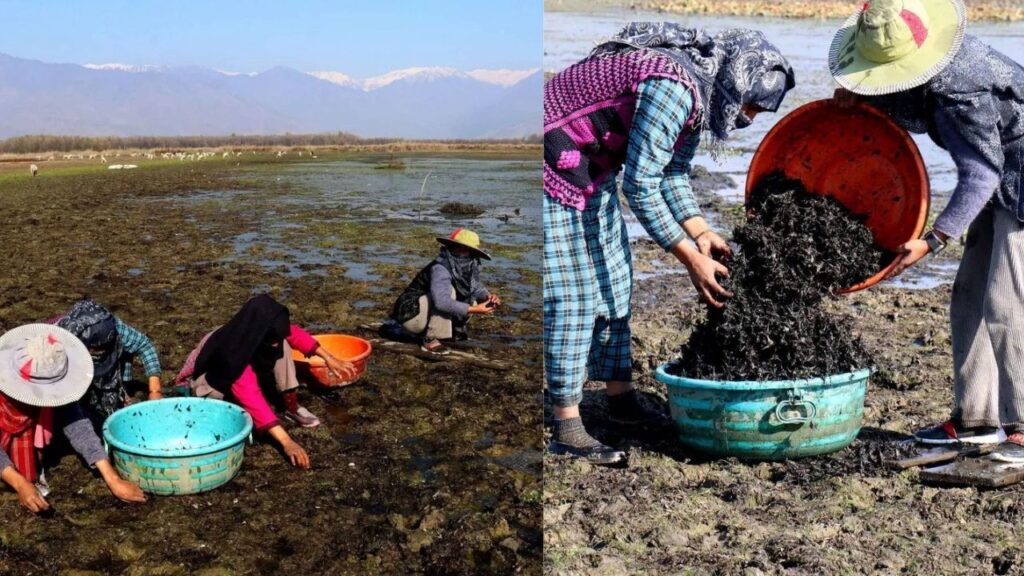
A tradition like no other: Bandipora's harvesters demonstrate the ingenious use of Pachee Khraw Khoor. (Img: Dynamite News)
The wooden skis, locally known as Pachee Khraw Khoor, represent a remarkable example of indigenous engineering developed in response to the challenges of wetland life. For communities surrounding Wular Lake, these wooden devices are more than simple harvesting equipment. They embody generations of accumulated knowledge about the lake's changing water levels, muddy terrain, aquatic vegetation and seasonal resources.
The technique requires physical endurance, coordination and an intimate understanding of the wetland ecosystem. Experienced harvesters can navigate areas that would otherwise be difficult to cross on foot, allowing them to reach water chestnut beds and collect the seasonal produce. The practice also offers a fascinating glimpse into how traditional communities have adapted everyday tools to their natural surroundings.
Beyond its cultural significance, water chestnut harvesting is an important source of livelihood for numerous families living around Wular Lake. The harvested produce is transported to local markets across Kashmir, where water chestnuts are sold for consumption and further processing.
They can be eaten in different forms, cooked into traditional preparations or ground into flour. Women also play an important role in the local supply chain, contributing to the processing, preparation and marketing of the harvested produce.
For many households, this seasonal economic activity provides supplementary income and helps sustain families whose livelihoods are closely connected to the lake's natural resources. Over generations, water chestnut harvesting has become deeply embedded in the economic and cultural identity of villages surrounding Wular Lake.
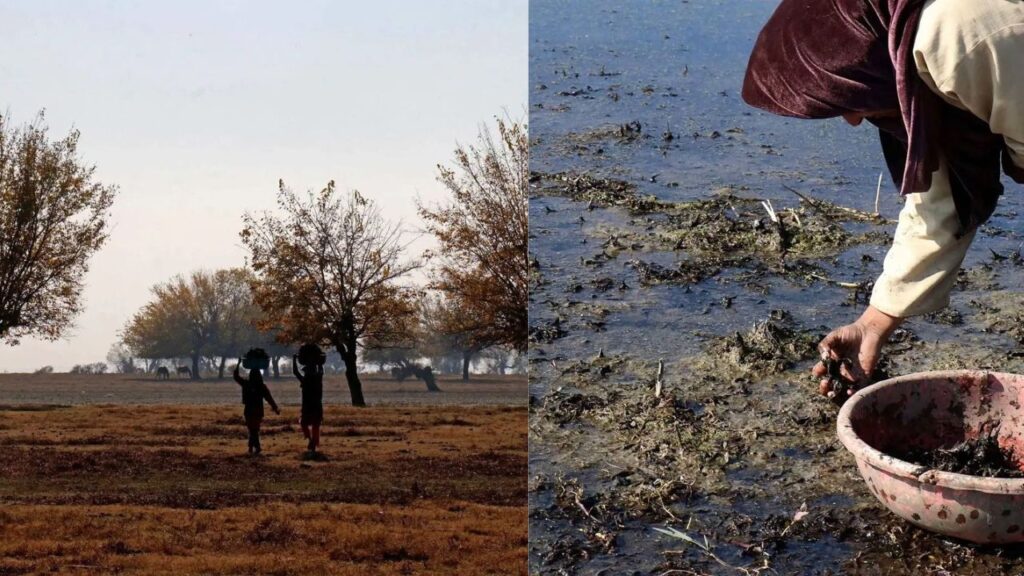
Beyond the harvest: Wular Lake's wooden ski tradition reflects Kashmir's deep-rooted connection with nature. (Img: Dynamite News)
Despite the continuation of this traditional practice, Wular Lake is confronting environmental challenges that threaten both its ecological health and the livelihoods dependent on it. Water pollution, sedimentation, encroachment and changing environmental conditions have emerged as significant concerns for the wetland ecosystem. Local harvesting communities are also concerned about the availability of water chestnuts and the difficulties associated with sustaining their traditional occupation.
The degradation of Wular Lake has implications extending beyond water chestnut harvesting. Fishing communities, wetland-dependent households and other residents rely on its natural resources for their economic survival. The situation underscores the importance of combining wetland conservation with sustainable livelihood development.
Also Read: Parliament Winter Session: Modi Govt Plans Special Sitting in December
Wular Lake is one of Jammu and Kashmir's most significant freshwater ecosystems and is internationally recognised as a Ramsar wetland of importance. Located in north Kashmir, the lake plays an important ecological role by supporting aquatic biodiversity, fish populations, wetland vegetation and numerous livelihood activities.
Its ecological health is closely connected to the economic security of surrounding communities. Conservation efforts therefore need to focus on pollution control, ecological restoration, responsible resource utilisation and the prevention of further degradation. Equally important is the protection of traditional occupations that have evolved around the lake over generations.
The wooden skis used by Wular Lake's water chestnut harvesters represent much more than an unusual method of collecting aquatic produce. They demonstrate how human ingenuity, traditional knowledge and environmental adaptation can work together to sustain communities in challenging natural conditions.
As Kashmir's wetlands face mounting environmental pressures, preserving these indigenous practices is becoming increasingly important. Documenting traditional harvesting techniques, supporting local workers and ensuring sustainable access to wetland resources could help protect both the region's cultural heritage and its rural economy.
For the people of Bandipora, the wooden skis are not merely tools. They are a symbol of generations of experience, resilience and an enduring relationship with Wular Lake. Protecting this remarkable tradition ultimately means protecting the people, livelihoods and natural environment that have shaped Kashmir's wetland heritage.