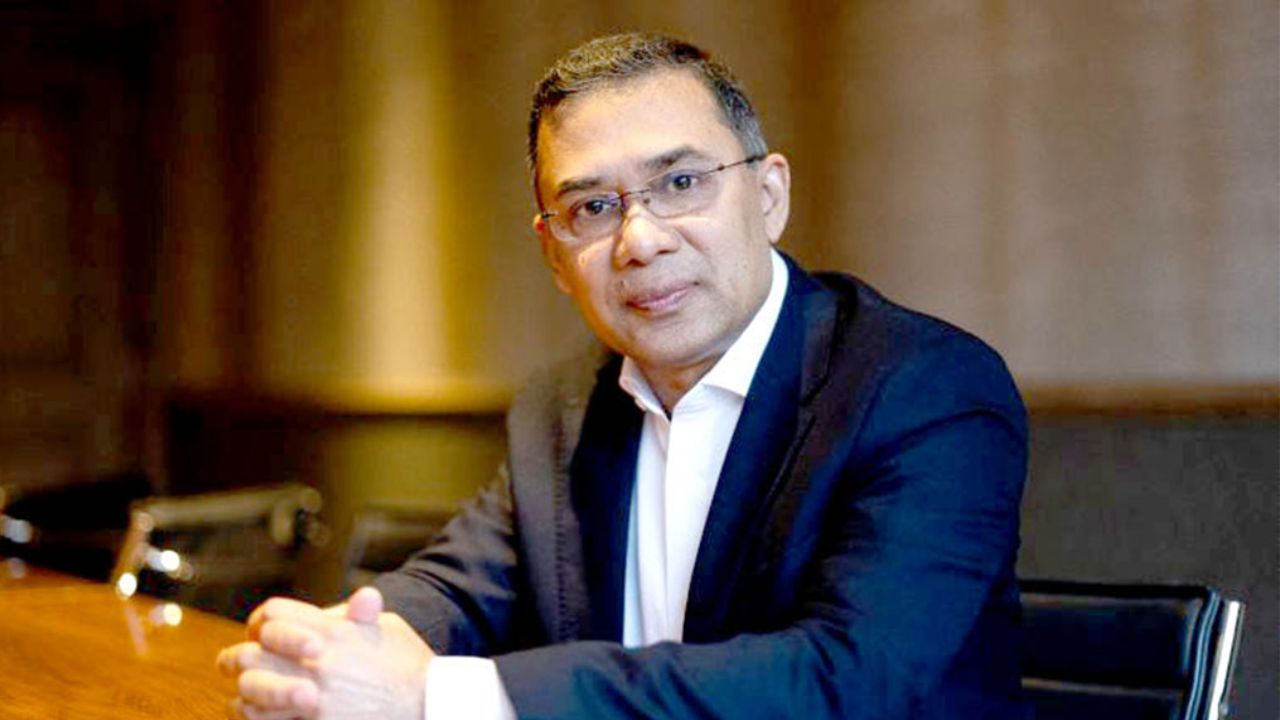
Tariq Rahman set to be PM
Dhaka: Vote counting in Bangladesh’s latest general election signals a dramatic political shift, with the Bangladesh Nationalist Party (BNP) crossing the majority mark. At the center of this transformation is Tariq Rahman, whose return after 17 years in exile has positioned him as Bangladesh’s next prime minister.
Early Life and Political Legacy
Born on November 20, 1965, in Dhaka, Tariq Rahman is the eldest son of former President Ziaur Rahman and three-time Prime Minister Khaleda Zia. His father founded the Bangladesh Nationalist Party (BNP), one of the country’s two dominant political forces.
During the 1971 Liberation War, Tariq-just four years old-was briefly detained, a fact the BNP often highlights by referring to him as one of the youngest prisoners of war in the country’s history.
Growing up in a politically influential family, Tariq showed early interest in politics. In 1991, he played an active role behind the scenes in mobilizing support that helped bring his mother, Khaleda Zia, to power.
Arrest, Cases, and Exile
Tariq Rahman’s political journey has been marked by intense controversy and legal battles. In March 2007, he was arrested by a military-backed interim government and later faced around 84 cases, including corruption and criminal charges. He consistently maintained that the cases were politically motivated.
Following his release on bail in September 2008, he traveled to London for medical treatment and remained there in self-exile for 17 years. From abroad, he continued to lead the BNP through digital platforms, video addresses, and party coordination.
In 2018, he was sentenced to life imprisonment in connection with a grenade attack case involving former Prime Minister Sheikh Hasina. However, after major political changes in 2024 and the fall of Sheikh Hasina’s government, the legal landscape shifted. By early 2026, Tariq was acquitted in most major cases.
Political Comeback and Return
After the formation of an interim administration led by Nobel laureate Muhammad Yunus, legal barriers eased. Tariq Rahman met Yunus in London before returning to Dhaka in December 2025, signaling a decisive re-entry into active politics.
Electoral Victory and Majority
In the 13th parliamentary election, Tariq Rahman contested and won from both Dhaka-17 and Bogura-6. Bogura is considered his family’s political stronghold, while Dhaka-17 lies at the heart of the capital.
With the BNP securing 151 seats and leading in several others, Tariq Rahman’s ascent marks one of the most remarkable political comebacks in Bangladesh’s history-transforming him from a long-exiled opposition leader into the country’s prime minister-elect.

