 English
 English

Bilawal warns Sindh division could trigger bloodshed in Karachi (Img: X)
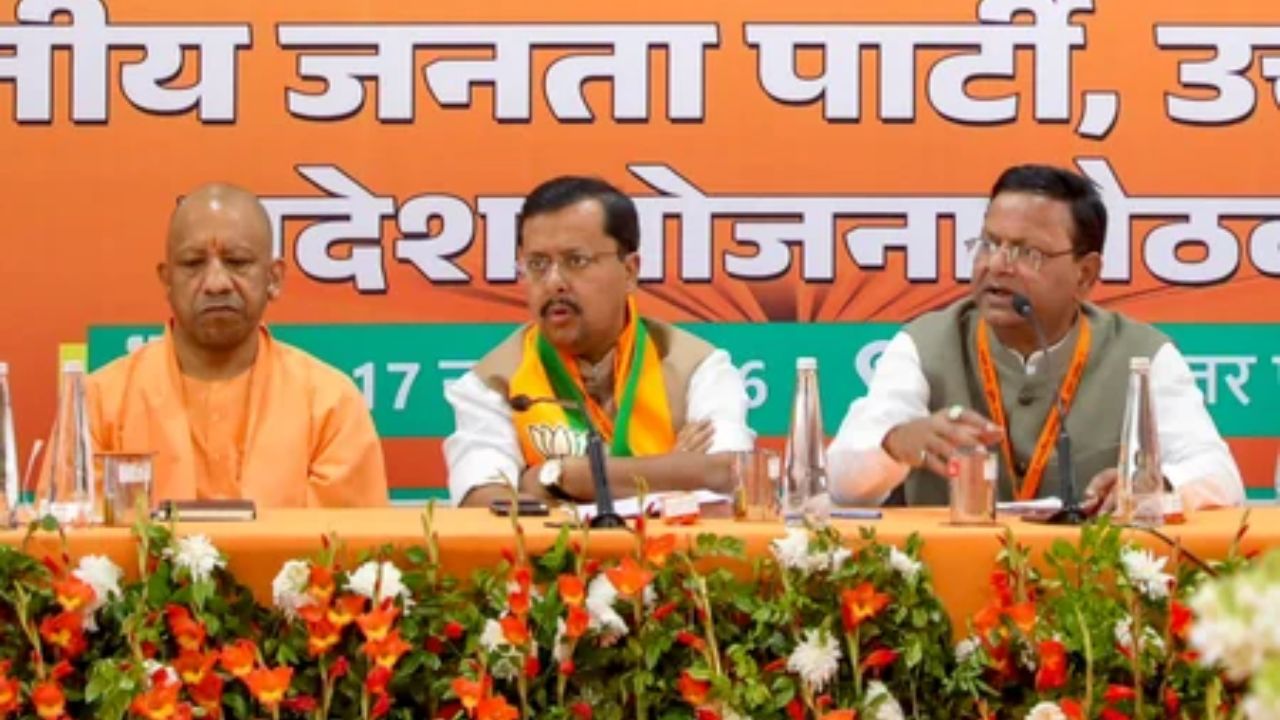
New Delhi: Pakistan's proposal to create additional provinces has turned into a political flashpoint within the ruling coalition. Pakistan Peoples Party (PPP) chairman Bilawal Bhutto-Zardari warned that forcibly dividing Sindh could trigger bloodshed in Karachi.
The controversy began after Interior Minister Mohsin Naqvi floated a proposal to explore creating new provinces through a referendum. While supporters argue that administrative restructuring could improve governance, the PPP has strongly opposed any move to break up Sindh, a province the party has governed since 2008.
"If Sindh is forcibly divided, questions will be asked about the blood that will flow on the streets of Karachi. If the provinces are forcibly divided, there will be division in society, and this division may lead to hostility," Bilawal warned. "I don't want to see that bloodshed."
The issue of forming new provinces has put the PML-N-led government of Prime Minister Shehbaz Sharif in a difficult position, as the PPP remains an important ally with 74 members in the National Assembly. Bilawal has also questioned why the proposal was being discussed without consulting his party or his father, President Asif Ali Zardari.
Pakistan is debating creating new provinces with an argument that it will speed up development in the country and overhaul the administrative framework. In July this year, Interior Minister Mohsin Naqvi questioned the system, describing it as having "collapsed" and calling for changes.
On November 12, Naqvi proposed a referendum to establish whether people wanted additional provinces. The debate gained traction after Planning Minister Ahsan Iqbal said he had heard of a plan to divide Pakistan's four provinces into 14.
Under the reported proposal, Punjab and Sindh could each be split into four provinces, while Khyber Pakhtunkhwa and Balochistan would have three each. Islamabad could also be granted separate provincial status.
Those proposing the restructuring argue that smaller administrative units could make governance more efficient and bring public services closer to residents. However, the proposal is facing political opposition, with questions over its constitutional viability, political motives, and implications for the country's federal structure.
The Pakistan Peoples Party's opposition is rooted in Sindh's political importance to the party and Karachi's economic significance. Sindh has been the PPP's traditional stronghold, and any change in its territorial boundaries could alter the province's political balance and control over resources.
Also Read: Supreme Court Upholds Interim Bail Granted To Azam Khan In ED Money Laundering Case
Karachi, Pakistan's largest city, is also the country's financial capital and principal commercial hub.
GDP: The city is estimated to contribute around 20% of Pakistan's GDP.
Manufacturing: Nearly 30% of value added in large-scale manufacturing is attributed to Karachi.
Trade: Karachi Port and Port Qasim handle around 54% of Pakistan's trade.
Separating Karachi from Sindh or creating a new province around the city could shift economic and political influence. For the PPP, the stakes extend beyond administrative boundaries to the control of revenues, resources and political institutions.
Bilawal has said the party is not opposed to creating new provinces in principle, but insists that any such decision must have public backing, involve consultations with political stakeholders and follow constitutional procedures.
According to Dawn, President Asif Ali Zardari and Prime Minister Shehbaz Sharif had discussed the matter and agreed that the creation of new provinces must adhere to constitutional provisions.
A referendum alone cannot change provincial boundaries in Pakistan. Any such move would require constitutional amendments and the prescribed legislative process.
Constitutional experts have cautioned against treating a public vote as a substitute for the legal procedure required to alter provincial boundaries. The process involves approval by the relevant provincial assembly and Parliament, making it more complicated than simply holding a referendum.
The proposal has also exposed differences within the ruling coalition. Bilawal has questioned whether Sharif has adequate authority over his ministers, saying the prime minister should have "enough authority to control his ministers".
Pakistan's history of territorial restructuring has made the debate particularly sensitive in Sindh. Karachi was separated from Sindh in 1947 to serve as Pakistan's federal capital. In 1955, the One Unit scheme merged West Pakistan's territories into a single province, triggering opposition from Sindhis, Pashtuns and Baloch, who viewed the arrangement as a threat to their provincial identities. The scheme was abolished in 1970, restoring the western provinces.
The separation of East Pakistan in 1971, which led to the formation of Bangladesh, remains another defining chapter in the country's history of territorial division.
Also Read: Delhi AQI Today: Air Quality Worsens to 282, Pusa Records Highest Pollution
The current debate has also revived ethnic and political tensions in Karachi. The PPP opposes dividing Sindh, while the Muttahida Qaumi Movement-Pakistan (MQM-P), which draws support from Urdu-speaking communities, has backed the creation of new provinces. Karachi is also home to sizeable Pashtun, Punjabi and Baloch populations, making the issue more complex than a contest between two communities.
The PPP has repeatedly defended Sindh's territorial integrity through resolutions in the provincial assembly, including one passed in September 2026. At the same time, it has backed the creation of a separate province in southern Punjab.
The debate is no longer limited to administrative reform. It has exposed differences within the ruling coalition and revived longstanding concerns over provincial identity, political representation and the distribution of economic resources.
For the Sharif government, pushing ahead without broader political consensus could deepen divisions, particularly in Sindh. For the PPP, any attempt to redraw the province's boundaries without consultation is politically and historically contentious.
The larger question is whether Pakistan's leadership can pursue administrative restructuring without reopening disputes over ethnicity, regional autonomy and control of resources that have shaped the country's political history.