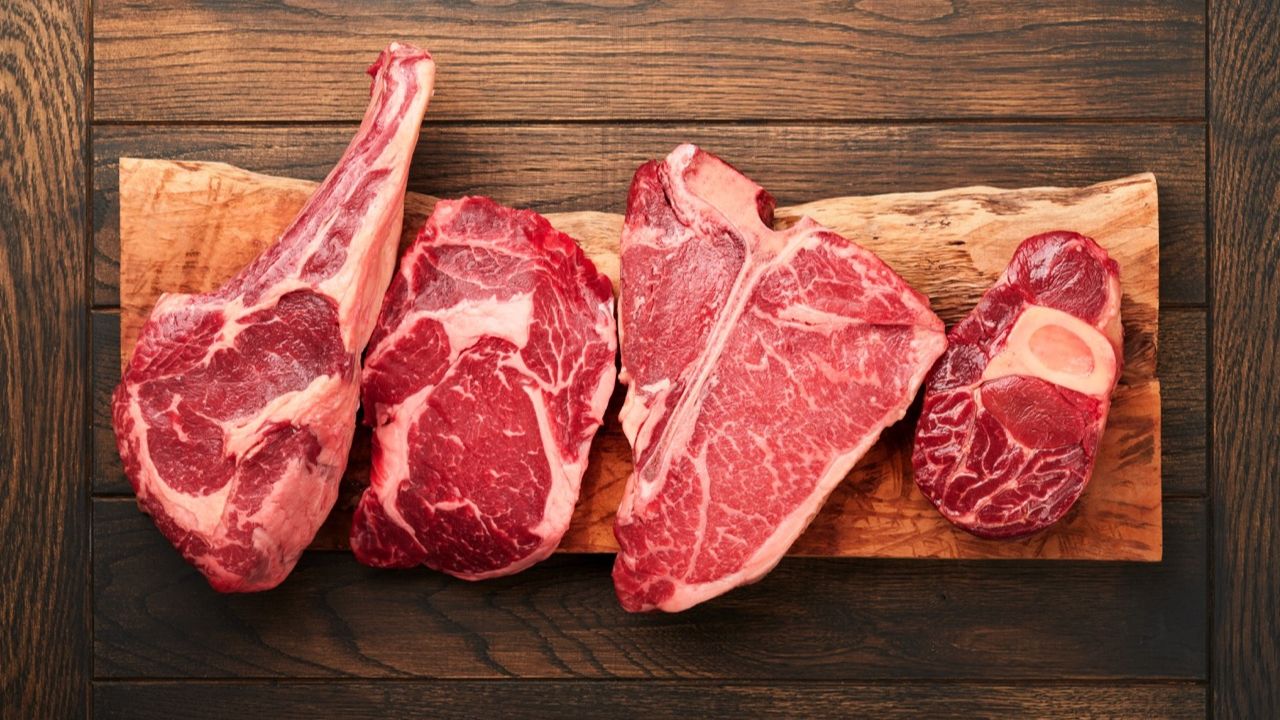
Chicken intake jumps six-fold since 1961 (Img: Internet)
New Delhi: Global meat consumption has surged dramatically over the last six decades, with average chicken intake increasing nearly six-fold since 1961, according to a new report released by the UN’s Food and Agriculture Organization (FAO). The report highlights how changing diets, rising incomes and urbanisation have transformed food consumption patterns worldwide.
The FAO report found that global meat supply per person rose from 25 kilograms annually in 1961 to 47 kilograms in 2022. Poultry emerged as the biggest driver of this increase due to its affordability, lower production costs and wider availability across countries.
Bihar to prohibit meat, fish sales near schools and religious sites
Average chicken supply increased from less than 3 kg per person in 1961 to around 17 kg in 2022. Pork consumption also doubled to nearly 15 kg per person, while beef consumption remained relatively stable at around 9 kg per person globally.
The report said meat consumption is expected to continue growing over the next decade, particularly in middle-income nations where rising purchasing power and urban lifestyles are influencing food habits.
According to OECD-FAO projections, poultry will continue to dominate future growth because it is considered cheaper and relatively more efficient to produce compared to beef and other meats.
However, the report also reignited concerns over the environmental impact of growing meat production. Agriculture is currently the world’s second-largest contributor to greenhouse gas emissions, and the FAO estimates sector emissions could rise by 7.6% over the next decade. Livestock production alone may account for nearly 80% of that increase.
Animal agriculture is estimated to contribute between 12% and 20% of global emissions linked to climate change. It is also associated with biodiversity loss, deforestation and heavy land-use pressures.
Does eating meat and fish influence violent tendencies in children? Click here to know
Despite acknowledging environmental challenges, the FAO stopped short of recommending lower meat consumption in wealthy countries. Instead, it focused on improving farming efficiency, reducing food waste and deploying cleaner livestock technologies.
That position has drawn criticism from several climate experts and scientists, who argue that reducing meat consumption in richer nations remains one of the most effective ways to lower emissions from global food systems.
The report also noted that nearly 14% of meat and dairy products are lost or wasted during production, transportation and consumption stages globally.

