Bollywood’s New Festival Look: Are Traditions Changing or Losing Their Soul?
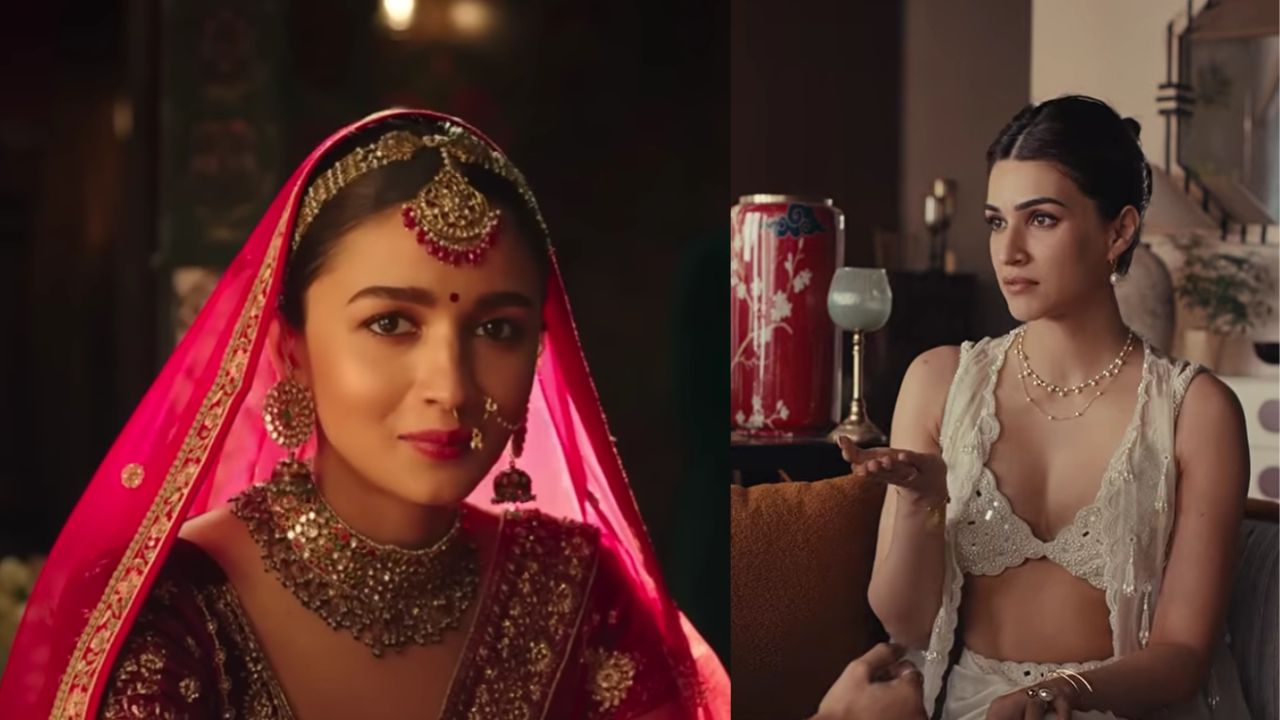
Mumbai: From Kriti Sanon’s Raksha Bandhan advertisement to Alia Bhatt’s widely discussed Manyavar Mohey “Kanyamaan” campaign, Bollywood’s changing portrayal of Indian traditions has triggered a debate that continues to gain momentum. The question at the centre of the discussion is simple yet powerful — are brands reflecting a changing India, or are they moving away from the cultural roots that have defined generations?
The latest conversation around Kriti Sanon’s festive campaign has once again placed Indian traditions, fashion choices and cultural representation under the spotlight. While some viewers welcomed the modern approach, others questioned whether changing festive imagery risks disconnecting celebrations from their traditional essence.
The Raksha Bandhan campaign featuring Kriti Sanon attempted to showcase the festival through a contemporary fashion lens. Instead of the conventional festive appearance associated with Indian celebrations, the advertisement presented a more modern Indo-Western style.
For many viewers, the campaign represented the confidence of a new-age Indian woman who blends heritage with personal expression. However, others felt that festivals like Raksha Bandhan carry deep emotional and cultural symbolism that should be reflected through more traditional aesthetics.
The discussion soon expanded beyond clothing and styling. It became a larger conversation about how India’s festivals are being represented in popular culture and whether modern interpretations strengthen traditions or dilute them.
Indian festivals have always been more than celebrations marked on calendars. They are emotional experiences built around family bonds, childhood memories, rituals and generations of shared traditions.
For decades, advertisements captured this emotional connection through familiar visuals, mothers preparing festive meals, families reuniting after long journeys, siblings celebrating special bonds and homes decorated with traditional elements. These campaigns were not just selling products. They were selling nostalgia, belonging and memories.
However, the visual identity of India is changing. The traditional saree now shares space with fusion outfits, contemporary silhouettes and global fashion influences. Classic jewellery designs are being presented with modern styling, while age-old rituals continue alongside changing lifestyles. The diya still shines, the celebrations remain, but the way India presents itself to the world is evolving.
The debate over modernising traditions is not new. One of the biggest examples came with Alia Bhatt’s appearance in Manyavar Mohey’s wedding campaign based on the concept of “Kanyamaan”. The campaign questioned the traditional understanding of “Kanyadaan” and attempted to present marriage as a partnership based on equality, dignity and mutual respect.
Supporters viewed the campaign as a reflection of changing social values and the aspirations of a younger generation. They believed it highlighted women’s individuality and challenged outdated perspectives.
However, critics argued that deeply rooted customs carry emotional, cultural and religious importance. For them, traditions are not merely rituals but memories and values passed through generations. The campaign highlighted the delicate balance brands must maintain while attempting to reinterpret cultural practices.
Bollywood festival advertising has now become more than product promotion. It has transformed into a platform where brands discuss identity, relationships, gender roles and social change. Every campaign creates a larger conversation about what modern Indian culture represents.
Supporters believe traditions remain alive because they adapt with time. They argue that culture is not something frozen in history but a constantly evolving expression of society.
According to this perspective, wearing a contemporary outfit does not reduce someone’s respect for tradition. Cultural values are reflected through actions, emotions and beliefs rather than only appearance. At the same time, critics believe brands must approach cultural themes carefully because festivals are deeply connected with personal memories and collective emotions.
The rise of social media has made these cultural debates even more intense. Earlier, advertisements had limited reach, but today every campaign enters a digital ecosystem where millions instantly react, analyse and debate. A single advertisement frame can become viral. A fashion choice can trigger nationwide discussions. A creative idea can divide opinions within hours.
For brands, controversy has become both a challenge and an opportunity. Campaigns that create conversations often receive greater visibility and stronger engagement. Bollywood celebrities play a major role in this transformation. Film stars are no longer just brand ambassadors; they influence fashion choices, lifestyle decisions and cultural conversations.
When a celebrity appears in a festive advertisement, audiences often see more than a product. They see changing ideas about India itself. The future of Indian celebrations may not belong completely to traditional fashion or completely to modern styles. Instead, it may exist in a space where both identities coexist. The saree may continue to represent timeless elegance, while fusion fashion may represent personal freedom and contemporary expression.
Perhaps the real question is not whether India should choose tradition or modernity. The bigger question is whether a civilisation with thousands of years of history can embrace change while protecting the emotions and values that define its cultural identity. Because festivals may evolve in colours, designs and appearances, but the feelings of family, faith and togetherness that connect millions of Indians remain unchanged.

