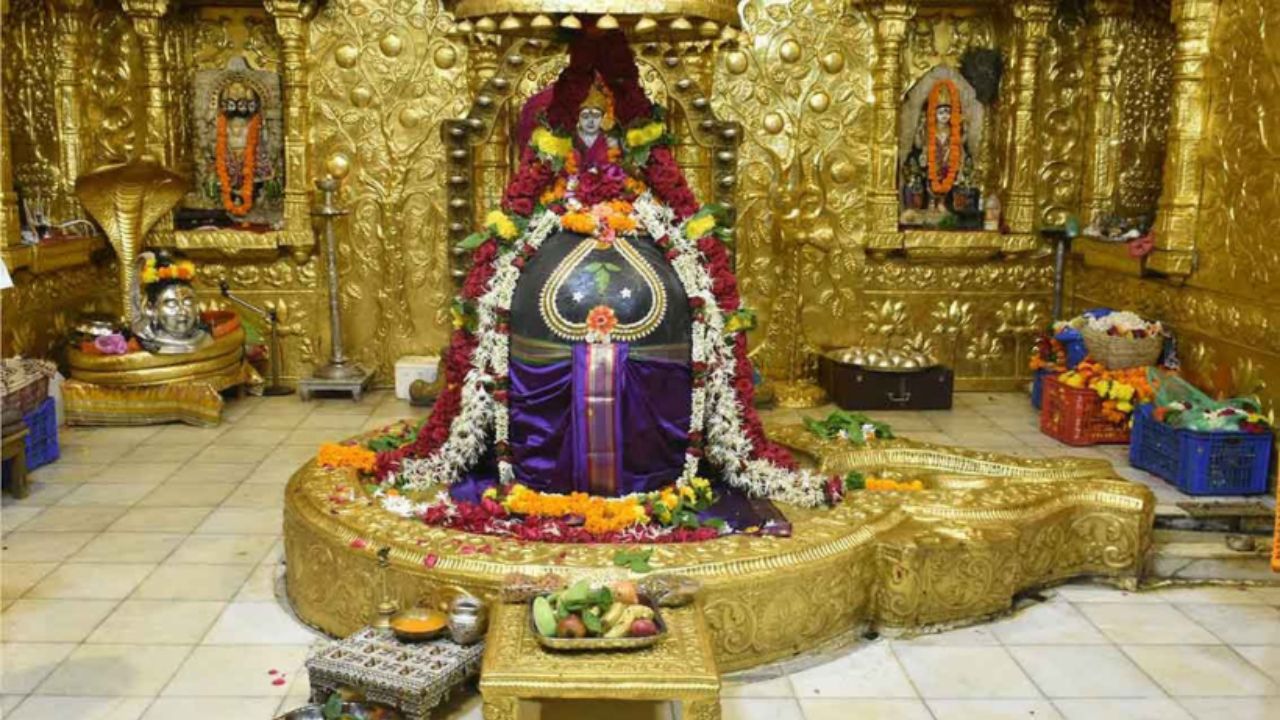
Why every Jyotirlinga feels different (Internet)
New Delhi: Ask any devotee who has visited several Jyotirlingas, and they are likely to tell you the same thing-every shrine feels different.
The prayers may be similar, and the deity is the same, yet the spiritual experience changes from one temple to another. Some pilgrims describe an overwhelming sense of peace at Kedarnath, while others speak of the intense spiritual energy of Kashi Vishwanath. At Mahakaleshwar, many say they feel the powerful reminder of time and mortality.
In Hindu tradition, the 12 Jyotirlingas are among the holiest shrines dedicated to Lord Shiva. The word Jyotirlinga comes from jyoti (light) and linga (the symbolic form of Shiva). According to the Shiva Purana, these are the sacred sites where Lord Shiva manifested as an infinite pillar of divine light.
While all 12 Jyotirlingas represent the same Shiva, centuries of legends, local traditions, and devotional experiences have led devotees to associate each shrine with a unique spiritual quality. Together, they form a symbolic journey through different stages of human life and spiritual growth.
The answer lies in their stories, geography, and traditions.
Each Jyotirlinga is linked to a distinct legend-some are associated with healing, others with protection, wisdom, devotion, liberation, or inner strength. From the shores of the Arabian Sea to the peaks of the Himalayas, the surroundings themselves create unique spiritual experiences.
For many devotees, the Jyotirlinga Yatra is not merely a pilgrimage but a journey through 12 different dimensions of Lord Shiva's divine presence.
Somnath is often associated with renewal and recovery. Linked to the legend of the Moon God Chandra and known for repeatedly rising after invasions and destruction, the temple symbolizes the strength to rebuild after setbacks.
Represents: Healing, resilience, and new beginnings.
Located in Srisailam, Mallikarjuna is closely connected to the story of Shiva, Parvati, and Kartikeya. The shrine emphasizes love, reconciliation, and emotional wellbeing.
Represents: Family, relationships, and belonging.
At Ujjain, Shiva is worshipped as Mahakaal—the ruler of time. The temple inspires reflection on mortality and life's inevitable changes.
Represents: Transformation, fearlessness, and acceptance.
Situated on an island believed to resemble the sacred symbol "Om," Omkareshwar is deeply connected with meditation and spiritual awakening.
Represents: Harmony, balance, and self-discovery.
Nestled in the Himalayas, Kedarnath is associated with the Pandavas' quest for redemption after the Mahabharata war. The challenging journey to the shrine itself is considered part of its spiritual significance.
Represents: Penance, surrender, and liberation.
According to tradition, Shiva manifested here to defeat the demon Bhima. The shrine is regarded as a source of courage during difficult times.
Represents: Protection, determination, and inner strength.
Located in the sacred city of Varanasi, Kashi Vishwanath is perhaps the Jyotirlinga most closely associated with spiritual liberation.
Represents: Knowledge, self-realization, and moksha.
Famous for ancestral rituals and spiritual cleansing, Trimbakeshwar attracts devotees seeking freedom from past burdens and karmic influences.
Represents: Purification, renewal, and ancestral peace.
The name itself means "Divine Physician." Devotees visit Vaidyanath seeking relief from physical ailments, emotional suffering, and personal struggles.
Represents: Healing, wellbeing, and recovery.
Traditionally regarded as a guardian shrine, Nageshwar is believed to help devotees overcome fear, negativity, and insecurity.
Represents: Protection, courage, and spiritual confidence.
According to the Ramayana, Lord Rama worshipped Shiva here before embarking on his mission to Lanka. The temple embodies faith, discipline, and humility.
Represents: Devotion, duty, and righteousness.
The final Jyotirlinga in the traditional list is associated with patience and steadfast devotion. Its legends highlight the power of sincere faith and perseverance.
Represents: Dedication, patience, and spiritual fulfillment.
The 12 Jyotirlingas do not represent different gods. Instead, they offer devotees different ways of experiencing the same divine presence.
Somnath teaches resilience. Mahakaleshwar reminds us of the power of time. Kedarnath inspires surrender. Kashi Vishwanath points toward wisdom and liberation. Vaidyanath offers healing, while Rameshwaram emphasizes devotion and duty.
Together, these sacred shrines form a spiritual map of life itself-guiding devotees through challenges, growth, faith, and ultimately, self-realization. Perhaps that is why the Jyotirlinga Yatra continues to inspire millions of pilgrims generation after generation.

