English
 English

India Stands With Nepal: Experts, Equipment And Emergency Aid Deployed (Img: Google)
New Delhi: India has stepped up its emergency response for flood-hit Nepal as rescue operations enter a critical phase, with the eighth Indian Air Force aircraft carrying relief material landing in Kathmandu. The latest assistance takes India’s total humanitarian aid shipment beyond 130 tonnes, while 54 Indian specialists continue supporting rescue, technical and forensic operations.
The large-scale mission has drawn attention because India is not only supplying basic relief material but also deploying specialised teams equipped to handle some of the toughest challenges after a natural disaster, including tunnel rescue, difficult terrain operations and scientific identification of victims.
The Indian Embassy in Nepal confirmed that the eighth Indian Air Force aircraft arrived in Kathmandu carrying nearly 35 tonnes of emergency relief and rescue supplies. The latest shipment is part of a continuous assistance programme launched by India on August 26, 2026, soon after devastating flash floods caused widespread destruction across several parts of Nepal.
The relief material was handed over by Indian Ambassador to Nepal Naveen Srivastava to Nepal’s Minister for Science, Technology and Innovation Mahabir Pun, highlighting the ongoing coordination between the two neighbouring countries during the disaster response.
According to the Ministry of External Affairs, India has sent eight special flights carrying more than 130 tonnes of assistance, equipment and essential supplies while deploying 54 experts to support Nepal’s rescue, relief and forensic operations.
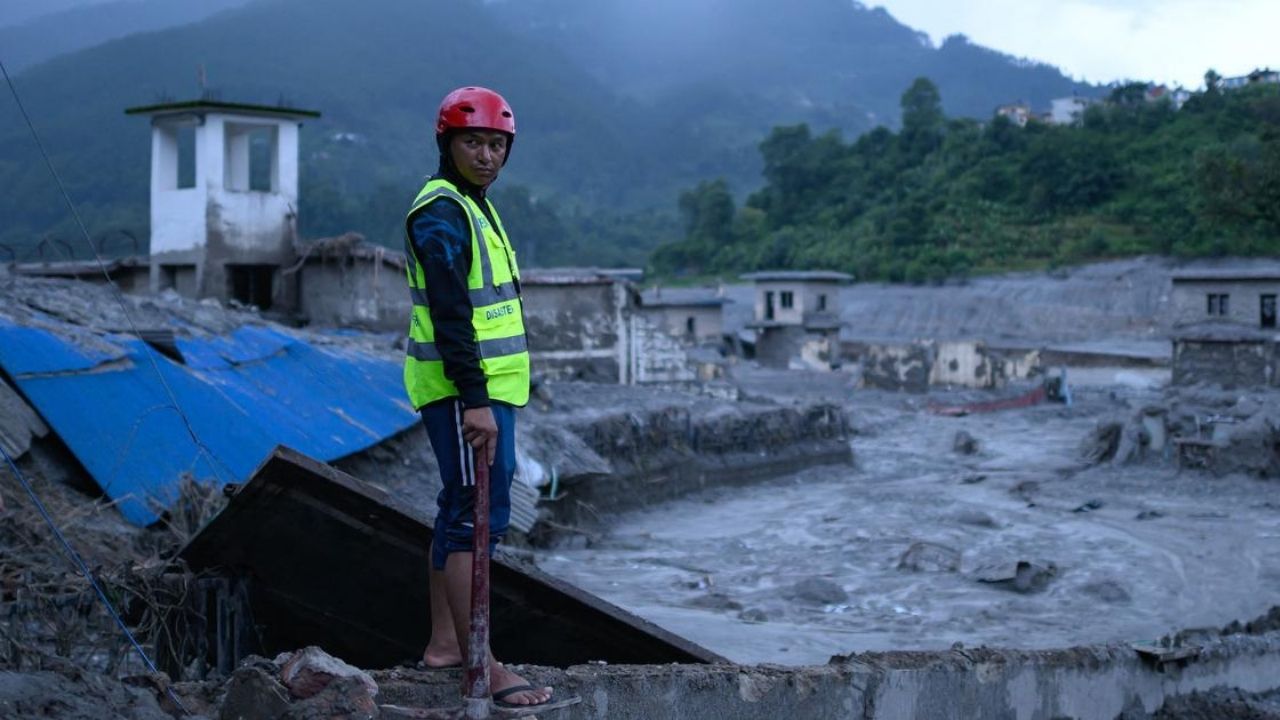
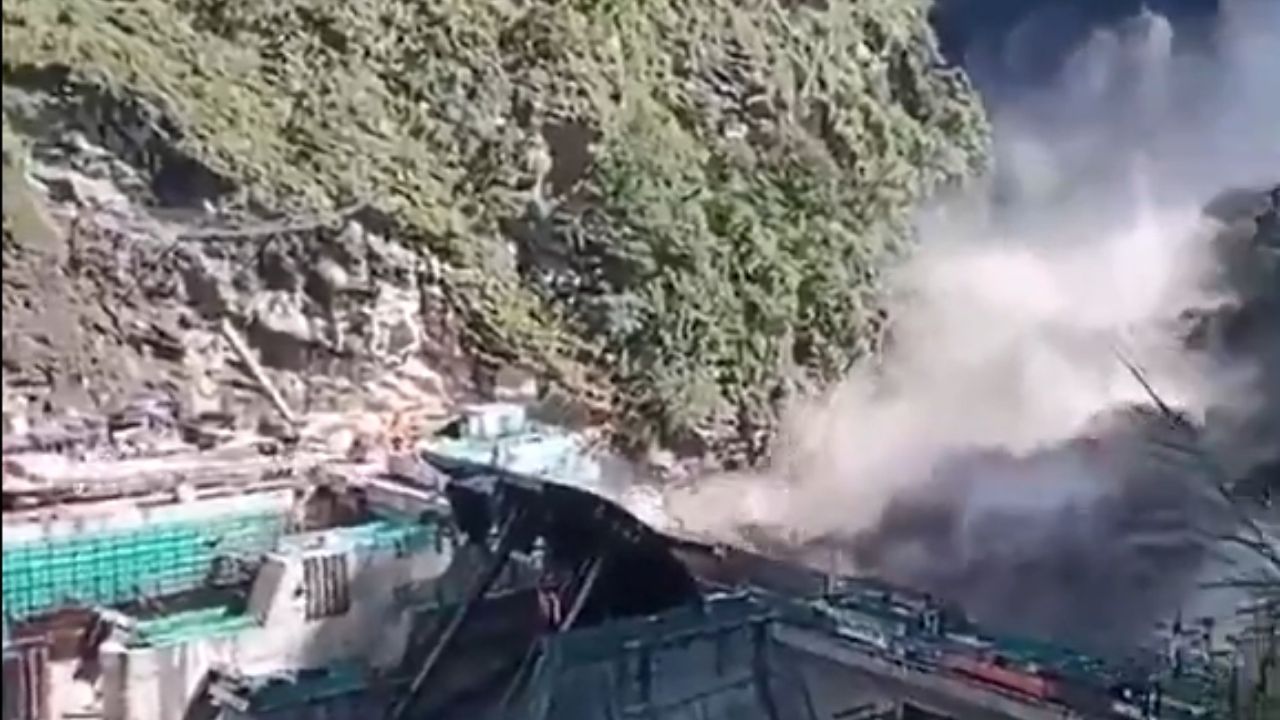
India’s assistance package includes essential items required for immediate humanitarian support, including temporary shelters, blankets, hygiene kits, solar lamps and medicines. However, the operation has moved beyond traditional relief supply as rescue teams face complex challenges caused by damaged infrastructure, landslides, waterlogging and inaccessible areas.
To strengthen field operations, India has provided specialised equipment including mud rescue suits, gas detectors, breathing apparatus, inflatable walkways, portable generators, lighting towers and dewatering pumps. These advanced tools are designed to help rescue personnel operate in dangerous environments where conventional methods may not be effective.
One of the most challenging aspects of the ongoing operation is the tunnel rescue mission being carried out by Indian specialists. India’s specialised tunnel rescue team initially started joint operations with the Nepali Army at two locations: Chilime and Langtang.
The search operation is currently focused on the Chilime tunnel, where rescue personnel are facing severe operational difficulties due to mountainous terrain, restricted access routes and steep tunnel conditions. Despite the challenges, teams are continuing their efforts through manual operations and specialised rescue techniques.
To improve the speed of the mission, a temporary access route is being constructed to allow heavy machinery, including excavators, to reach the tunnel entrance. Officials said the construction work is progressing steadily and the route is expected to be completed within two to three days. Once operational, the access track could significantly improve search and recovery efforts at the site.
Along with rescue operations, India has also extended scientific support to help Nepal identify victims affected by the disaster. An Indian forensic team is currently working in two laboratories in Kathmandu in coordination with Nepalese authorities.
India has supplied DNA kits, specialised reagents and equipment required for DNA profiling and sample analysis. The forensic support is expected to accelerate the identification process, particularly in cases where victims cannot be identified through conventional methods after a major disaster.
The flood relief operation has once again highlighted the deep humanitarian and strategic partnership between India and Nepal. Both countries share geographical proximity and long-standing cultural ties, making disaster response cooperation a crucial part of bilateral relations.
India’s rapid deployment of aircraft, rescue specialists and advanced equipment reflects its approach of providing immediate assistance during emergencies in neighbouring countries. The operation also comes at a time when climate-related disasters are becoming more frequent across South Asia, increasing the need for stronger regional disaster management systems.
Nepal’s mountainous geography has made rescue operations extremely challenging. Flood damage, disrupted connectivity and difficult weather conditions have slowed access to several affected areas.
For rescue teams working in such conditions, reaching trapped victims, clearing blocked areas and transporting heavy equipment remain major challenges. The involvement of Indian specialists is expected to provide additional technical strength to Nepal’s ongoing search, recovery and rehabilitation efforts.
The Ministry of External Affairs has reiterated that India will continue supporting Nepal throughout the rescue, relief and recovery stages. The immediate priority remains strengthening field operations, improving access to affected locations and assisting Nepalese agencies managing the aftermath of the floods.
As search operations continue, India’s humanitarian mission is expected to remain active until critical emergency requirements are addressed and recovery efforts gain momentum.