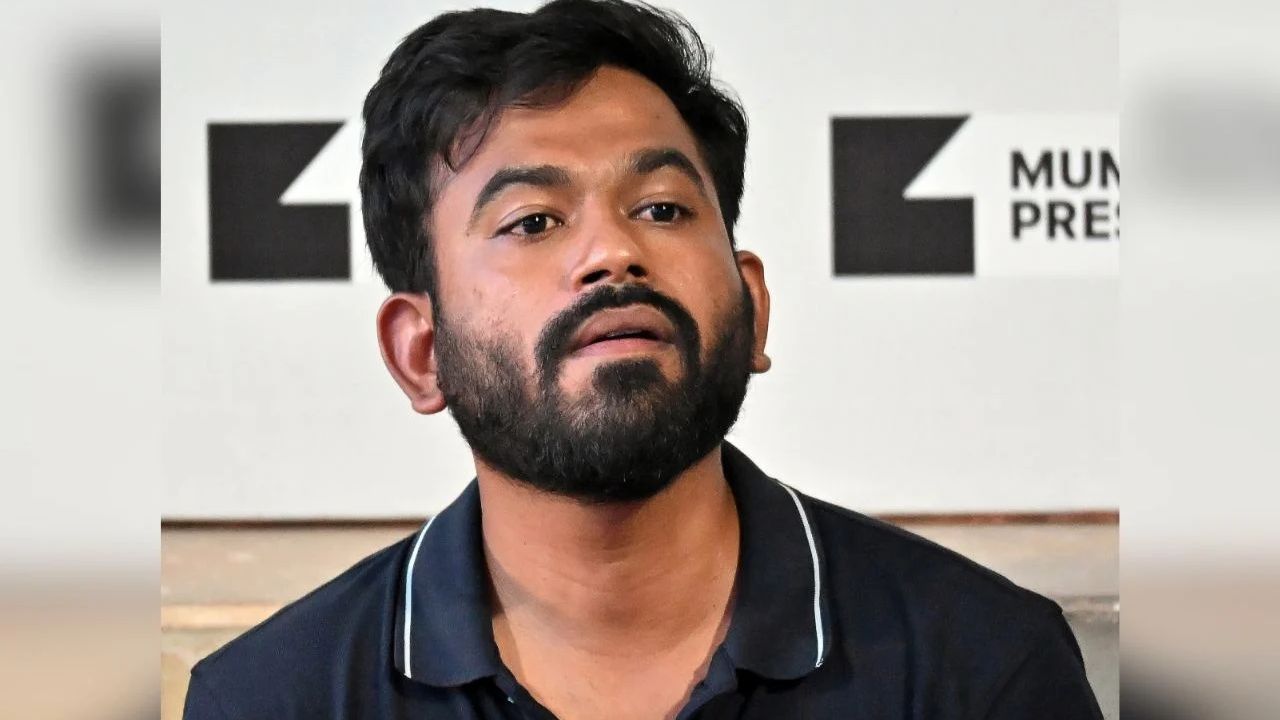
Cockroach Janta Party (CJP) founder Abhijeet Dipke (Img: Pinterest)
New Delhi: Cockroach Janta Party founder Abhijeet Dipke has challenged the Delhi Police’s account of how he was informed about his grandmother’s death while in detention, alleging that officers denied him access to his phone and prevented him from contacting a relative and his lawyers. The dispute escalated after the police released a video claiming that Dipke had declined assistance to speak to his family and travel home for the funeral.
The controversy has added a deeply personal dimension to the political confrontation surrounding the CJP-led protests in Delhi. While the police have maintained that officers acted sensitively and offered humanitarian assistance, Dipke has questioned the circumstances in which the offer was made, particularly the timing of a late-night interaction involving his arrest papers and a proposed call to his father.
The competing accounts have triggered questions about communication with detainees, access to legal counsel, police conduct during custody and the treatment of individuals dealing with a family bereavement.
Responding to the police video, Dipke said he had sought permission to use his phone briefly to retrieve his cousin’s contact number. His cousin, he explained, lives with his grandmother and was the relative he wanted to contact following the news of her death.
Dipke also alleged that his request to speak to a lawyer was denied. He disputed the suggestion that he had simply refused assistance, arguing that the police account did not reflect his requests for communication and legal support.
The CJP founder further questioned why officers had asked him to call his father at approximately 3.30 am and inform him that he could face a prolonged period in jail. According to Dipke, the timing and nature of the interaction caused additional distress to a family already grieving the loss of an elderly relative.
He also alleged that the video released by the police omitted the portion in which he requested access to his phone and asked to speak to his lawyers. This claim has not been independently verified, and the available accounts do not establish whether any portion of the footage was deliberately excluded.
In a subsequent response, Dipke questioned the police’s presentation of the incident as an instance of humanitarian assistance. He alleged that officers had approached him at around 3.30 am with arrest papers and insisted that he sign them, despite knowing that his grandmother had died.
According to Dipke, he refused to sign the documents until he was permitted to speak to his lawyers. He argued that the circumstances surrounding the paperwork were inconsistent with the police’s later emphasis on compassion and assistance.
The dispute therefore centres on more than whether Dipke was informed about the bereavement. It also concerns the sequence of events, his alleged requests to contact relatives and legal counsel, and the conditions under which officers offered to facilitate his return home.
These remain competing claims. A conclusive assessment would require a complete account of the interaction, including the relevant footage, custody records and any other supporting evidence.
Delhi Police released a video on Sunday showing officers informing Dipke about his grandmother’s death while he was in detention. The force maintained that officers approached him after receiving the information and offered assistance with phone calls, travel arrangements and flights so that he could attend the funeral in his hometown.
Deputy Commissioner of Police Neha Yadav said the information had been conveyed with sensitivity and that officers had repeatedly asked whether Dipke wanted to speak to his parents. According to the police, he declined the assistance offered to him.
The force subsequently reiterated that Dipke had been informed about the scheduled funeral and that the offer to facilitate his journey was made on humanitarian grounds. Police officials said he had chosen not to accept the assistance.
The video was released after Dipke’s mother, Anita Dipke, accused the police of misrepresenting the circumstances in which her son was informed about the death. She had also said the family was unable to contact him and had postponed the last rites until he could return home.
Dipke’s subsequent response directly challenged the police narrative, with the CJP founder maintaining that he had sought to contact a relative and his lawyers but had been denied access to his phone.
The central disagreement is whether the assistance offered by the police adequately addressed Dipke’s requests and whether the footage provides a complete account of the interaction.
Savitribai Shankarrao Dipke, Dipke’s paternal grandmother, was 85 years old when she died at the family’s ancestral home in Santuk Pimpri village in Maharashtra’s Hingoli district.
She died at approximately 11.30 am on Saturday, October 10, after reportedly suffering from age-related ailments for a prolonged period.
Her death came as Dipke was in detention in Delhi following the political demonstrations associated with the Cockroach Janta Party. The circumstances placed the family in the difficult position of dealing with a bereavement while attempting to establish communication with a detained relative.
The reported postponement of the last rites until Dipke could return home became another point of contention, with his mother questioning the police’s account and the CJP leadership raising concerns about the manner in which the information was communicated.
Dipke was released from detention on Sunday and subsequently left for his village in Maharashtra to be with his family during the period of mourning. In a social media post announcing his departure, he said he was returning home to support his family following the loss. He also indicated that CJP co-convenors Saurav Das and Ashutosh Ranka would address a press conference in Delhi.
Dipke’s message also signalled that the political movement would continue despite the detentions and the controversy surrounding the police action. He framed the preceding day’s events as the beginning of a wider struggle against what the party describes as authoritarian conduct. He also shared a photograph of his grandmother on Instagram, accompanied by a brief expression of regret and grief.
His return to Maharashtra brought the immediate question of his access to his family into focus, even as the larger dispute over the police’s conduct and the handling of the protests continued.
CJP co-convenors Ashutosh Ranka and Saurav Das reiterated the party’s objections to the police account during a media interaction on Sunday. They maintained that Dipke had been denied permission to contact his cousin and questioned the manner in which he was informed about the death.
The party’s leadership has portrayed the episode as part of a wider pattern of alleged insensitivity and excessive use of authority during the detention of protesters. The police, however, have maintained that officers informed Dipke of the bereavement and offered assistance for his journey home.
The conflicting versions have made transparency particularly important. A complete examination of the available footage and the sequence of interactions could help establish whether Dipke’s requests were addressed and how the decision to offer travel assistance was communicated. Until additional evidence clarifies the dispute, the allegations made by both sides should be distinguished from independently established facts.
The controversy unfolded against the backdrop of continuing demonstrations in the national capital over demands concerning Chief Election Commissioner Gyanesh Kumar and alleged electoral irregularities.
Delhi Police continued detaining protesters in areas around Connaught Place on Sunday as groups returned to renew their agitation. The demonstrations followed the previous day’s large-scale security operation, which had prevented CJP supporters and opposition leaders from reaching Jantar Mantar.
Reports from the area indicated that around 100 protesters were placed in two buses and removed from the vicinity. At least four journalists were also briefly detained near RK Ashram before being released. Additional buses were seen in the area as the number of people gathering for the demonstrations increased. The continuing police action has kept the spotlight on the balance between maintaining public order and protecting the right to peaceful assembly.
The Supreme Court’s position on the detention of peaceful demonstrators has also become relevant to the debate. According to the reported account, the court stated that peaceful, unarmed protesters could not be detained except in accordance with the procedure established by law. The precise scope of any directions and their application to individual detentions must be assessed against the court’s actual order.

