English
 English

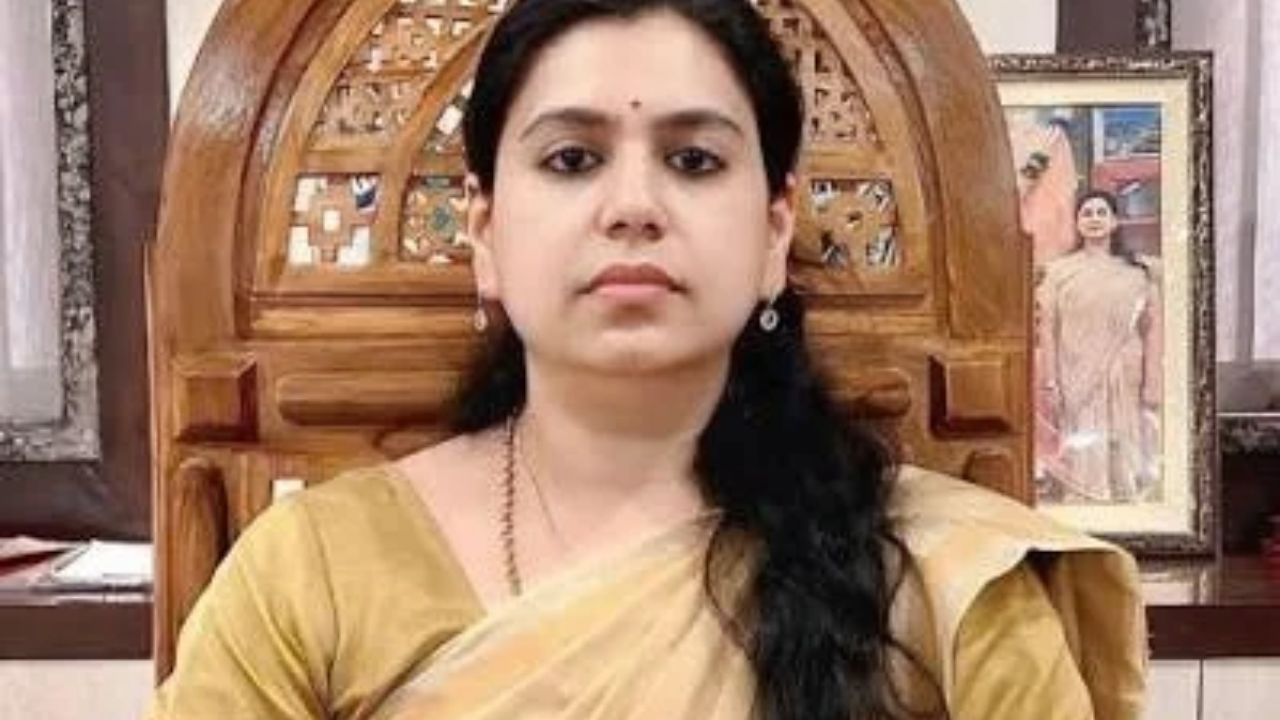
Neha Bora was detained during a protest march in Delhi as the agitation over the SIR voter list controversy intensified. (Img: X)
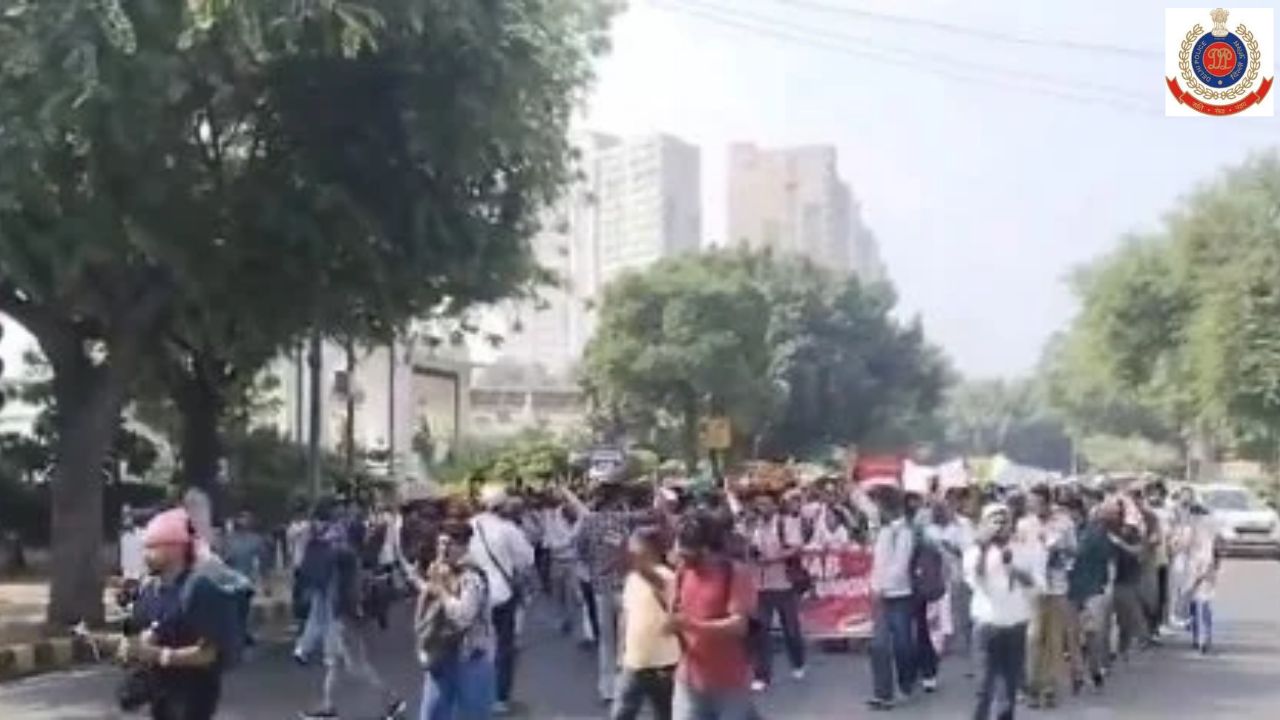
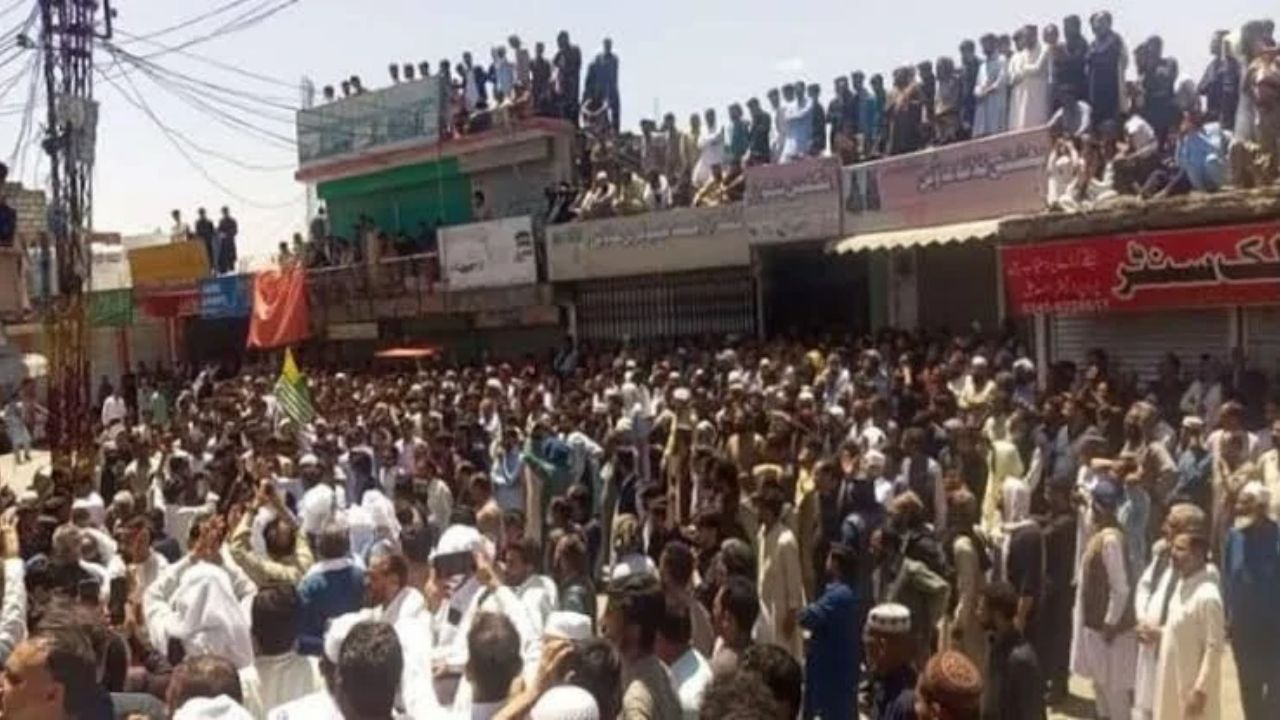
New Delhi: The detention of All India Students’ Association (AISA) president Neha Bora during a protest march in Delhi has intensified the political controversy surrounding demonstrations demanding Chief Election Commissioner Gyanesh Kumar’s resignation. The protests centre on allegations of irregularities in the Special Intensive Revision (SIR) of electoral rolls and have also raised questions about police action, the right to protest and the treatment of demonstrators.
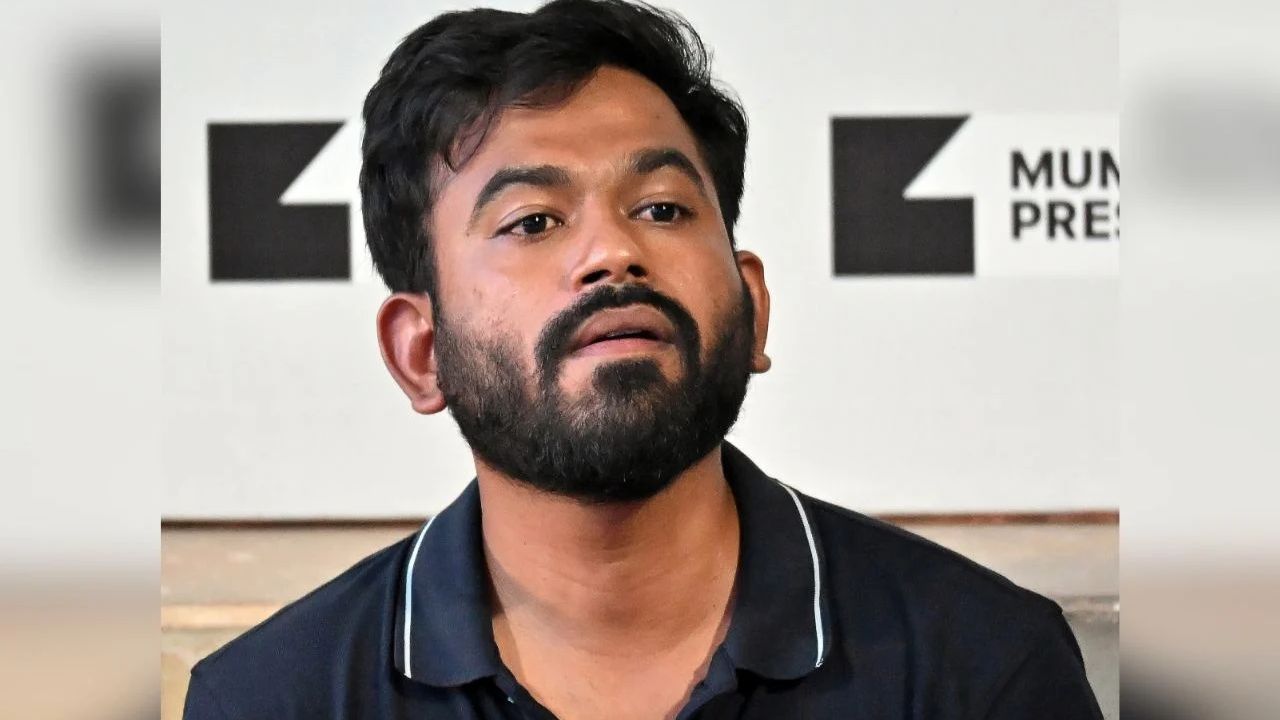
Neha Bora is the president of the All India Students’ Association, a student organisation affiliated with the Left. She was detained on Sunday while leading a protest march from Ramakrishna Ashram Marg towards Connaught Place in the national capital.
The march was part of demonstrations organised by Left-affiliated groups and the Cockroach Janta Party (CJP) campaign, which have called for Chief Election Commissioner Gyanesh Kumar’s resignation over alleged irregularities in the SIR exercise.
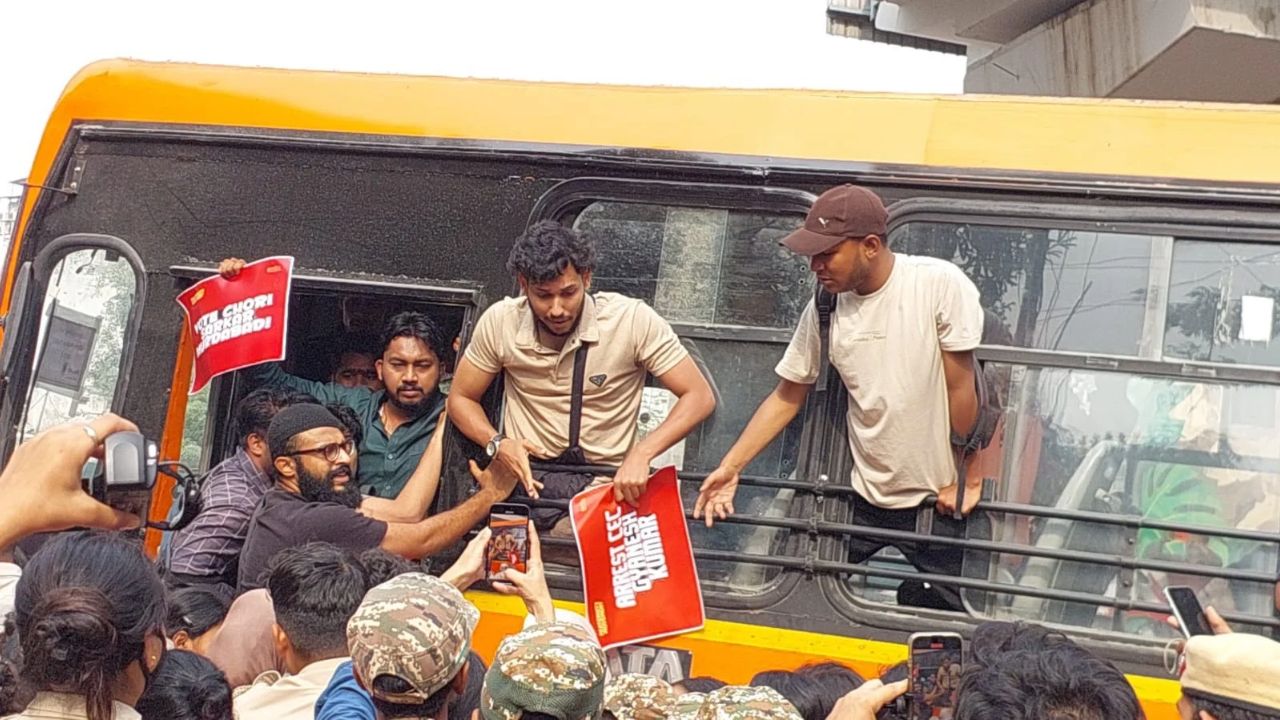
Videos circulated online showed Bora being detained during the march. AISA subsequently alleged that protesters were subjected to physical violence during the police action. The precise legal grounds for Bora’s detention were not established in the information available for this report.
The CJP protest is part of a wider agitation against the Election Commission’s Special Intensive Revision of electoral rolls. Protesters have raised concerns about alleged irregularities in the revision process and demanded accountability from the poll body.
The SIR exercise is intended to review and update voter lists. However, critics have questioned whether the process could result in eligible voters being wrongly removed from electoral rolls.
The demonstrations have sought to bring these concerns into the public domain and press for a response from the Election Commission, including demands for Gyanesh Kumar to step down. The controversy has grown beyond the electoral roll revision itself, with detentions of protesters and journalists bringing police conduct and press freedom into the debate.
In a video recorded from the bus in which she was detained, Bora alleged that male protesters were verbally abused and kicked by police personnel. She also raised concerns about the conditions in which women demonstrators were being held, claiming that six to eight women protesters had been placed in a single small compartment.
AISA separately alleged that protesters had been badly beaten during the police action. These claims have not been independently verified from the information available for this report. A detailed account from Delhi Police would be necessary to establish the circumstances of the alleged use of force and the conditions during detention.
Bora’s detention was part of a broader police operation during the continuing demonstrations in central Delhi. Representatives of the CJP campaign and members of Left-affiliated student organisations were also detained as they attempted to march towards protest locations. A report by The Hindu said around 50 to 60 members of Left groups were detained while attempting to march from Rajiv Chowk Metro station towards Janpath.
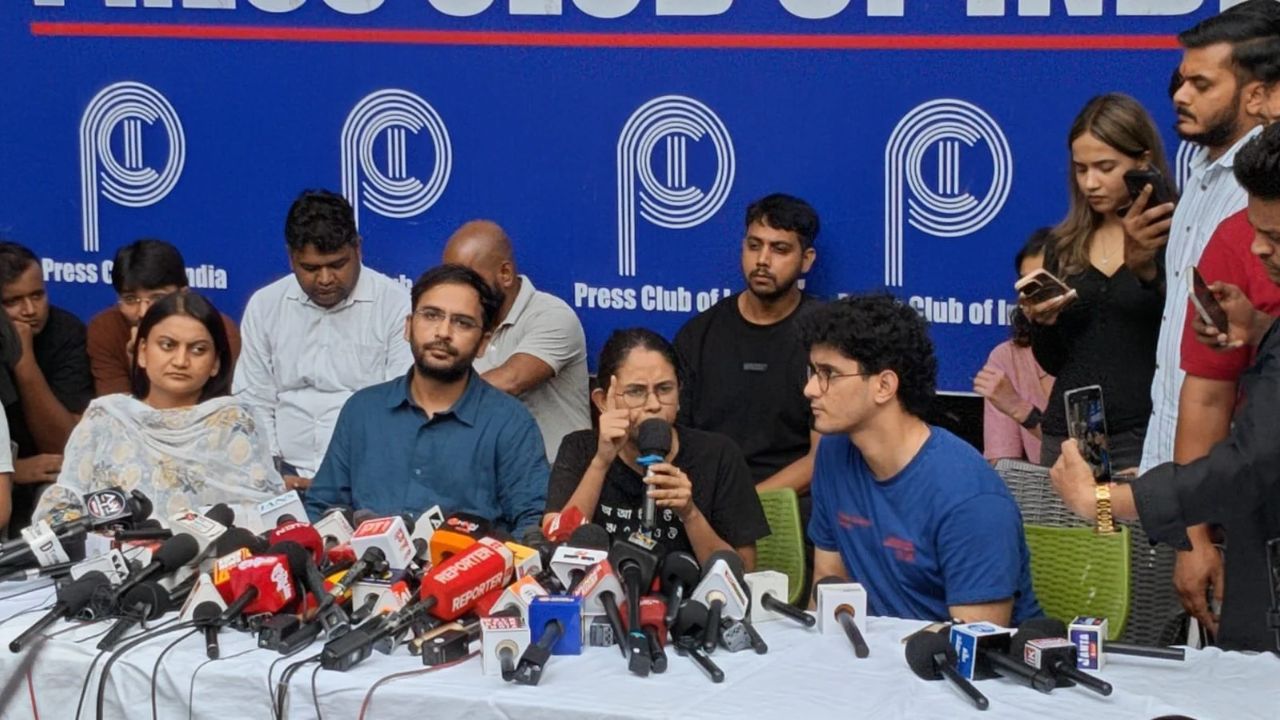
Three journalists working with The Indian Express Hindi were also reportedly detained at Connaught Place. The newspaper reported that Delhi Police took their phones. Media organisations, including the Press Club of India, the Indian Women’s Press Corps and journalist unions, condemned the reported detentions and alleged harassment of reporters covering the demonstrations. They called for an inquiry and a public apology from Delhi Police.
The incidents have raised questions about whether journalists were able to carry out their professional duties and whether appropriate safeguards were followed during the police action.
Delhi Police issued a traffic advisory for central Delhi, warning of diversions across 30 locations, including Connaught Place, Jantar Mantar Road, Mandi House, Patel Chowk and areas around Rail Bhawan.
The Delhi Metro Rail Corporation said the entry and exit gates of all metro stations had reopened on Saturday night after 45 stations were closed from 9 pm on Friday. Northern Railways also announced that train services would return to normal schedules from Sunday.
Separately, the Union Ministry of Home Affairs suspended internet services at eight additional locations designated as temporary detention centres. The reported restrictions formed part of the wider security response to the protests. Their scope, duration and operational justification would need to be assessed against the relevant official orders.