Union IT Minister Ashwini Vaishnaw invites editors for discussions on the DPDP law, assuring that journalistic freedom will remain protected amid a legal challenge before the Supreme Court. (Images: X)
New Delhi: The Centre has invited editors for discussions on the Digital Personal Data Protection (DPDP) law, assuring media representatives that it has no intention of restricting journalistic freedom. The move follows a Supreme Court notice issued to the government over a legal challenge to the law and its accompanying rules.
Union Electronics and IT Minister Ashwini Vaishnaw invited editorial leaders to share their concerns and suggest possible solutions. He said freedom of the press is constitutionally guaranteed and would remain protected. The government also maintained that the DPDP framework was introduced in response to the Supreme Court’s recognition of the right to privacy. It expressed willingness to consider proposals from journalists to address concerns surrounding the law’s implementation.
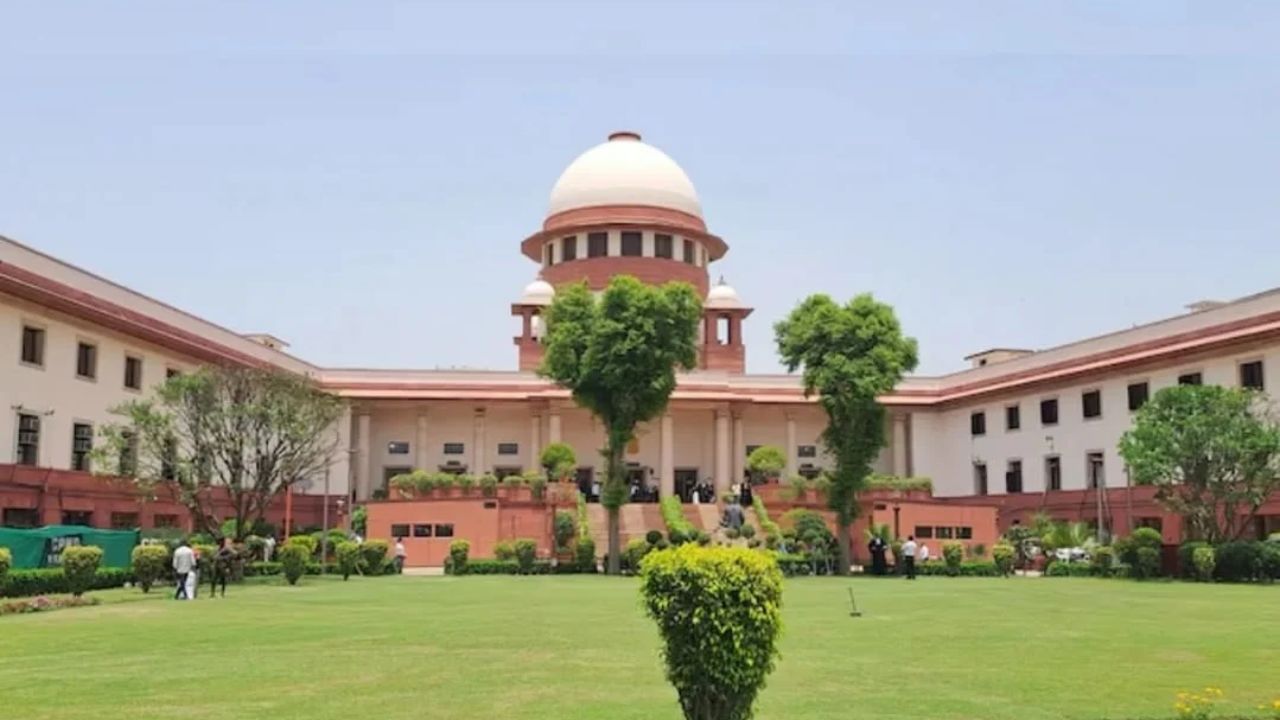
The assurance comes after the Supreme Court issued notices to the Union Ministry of Law and Justice and the Ministry of Electronics and Information Technology (MeitY). The proceedings relate to a petition filed by the Digital News Publishers Association (DNPA), challenging the Digital Personal Data Protection Act, 2023, and the DPDP Rules, 2025.
The legislation establishes a framework for protecting digital personal data. It requires entities known as data fiduciaries to process personal information with consent, subject to specified legitimate uses under the Act. Section 7 outlines circumstances in which personal data may be processed for legitimate uses, including certain situations where individuals voluntarily provide their information for a specified purpose.
Violations can attract financial penalties of up to ₹250 crore under the law. MeitY notified the DPDP Rules on November 13, 2025, with implementation scheduled in phases over 18 months.
The discussions could provide an opportunity for editors and the government to address concerns about the interaction between data protection requirements and journalism. The legal challenge and the government’s response will remain important to the debate over privacy, accountability and press freedom in India.

