 English
 English

300 Ft Drop, 3 System Failures: 4 Seconds of Fear Inside Air India AI2379 Mid-Air Crisis Probe (Img: Dynamite News)
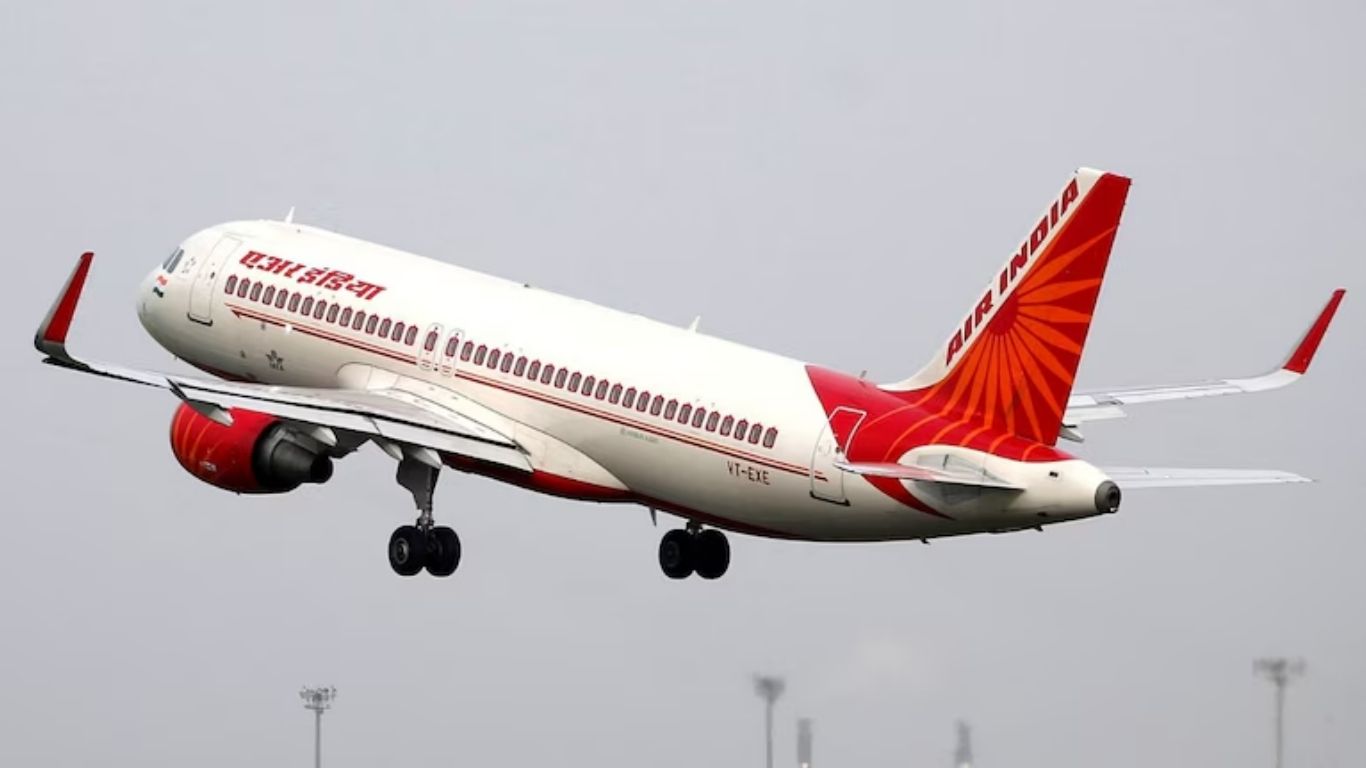
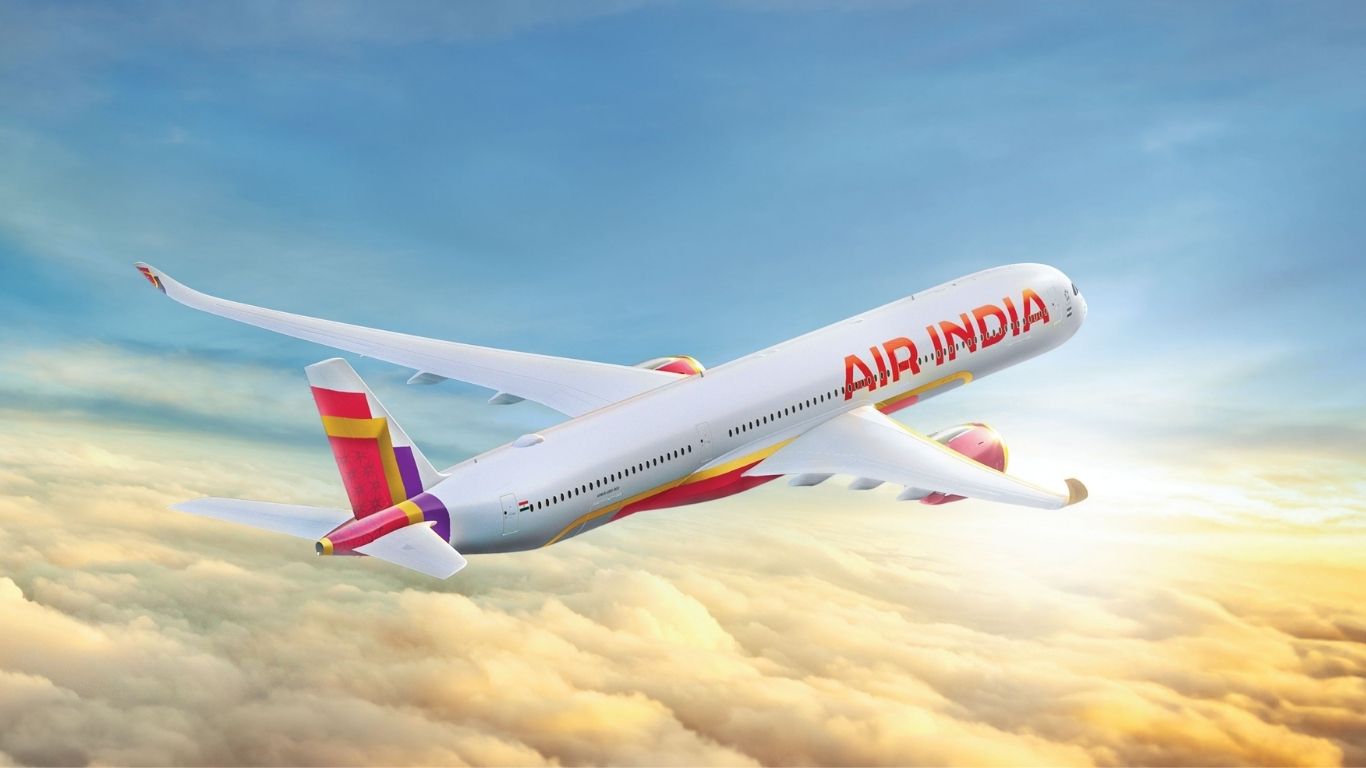
New Delhi: Air India Flight 2379 had to encounter an extremely dangerous mid-air situation after experiencing a rare technical fault that led to a loss in altitude of 300 feet on August 4. According to the findings of the initial technical investigation by Airbus, it has been seen that all three hydraulic systems of the Airbus A320 had failed in a series.
The occurrence of the technical fault in Flight 2379 happened on August 4 when there were 137 passengers aboard the aircraft, out of which three were infants. Along with this, eight crew members were also aboard the aircraft.
According to Airbus’ initial assessment, the aircraft’s Green hydraulic system showed the first signs of failure at around 04:02:44 local time. Within seconds, the Blue and Yellow hydraulic systems were also affected.
The failure sequence temporarily disrupted the aircraft’s elevator and aileron control systems. Airbus estimated that the flight control surfaces were impacted for approximately four seconds, creating a critical situation for the pilots.
During this period, the aircraft experienced changes in its control response, with elevator movements recorded on both sides. The ailerons also entered damping mode as the aircraft attempted to maintain stability.
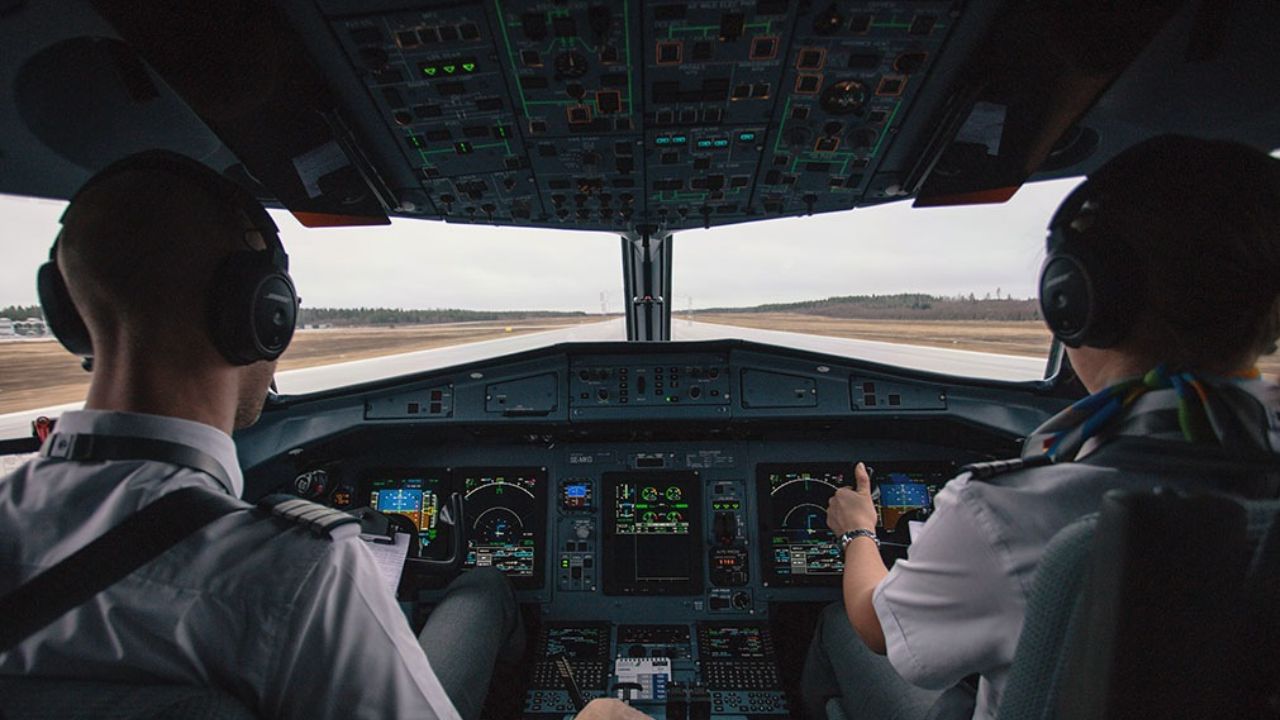
As per the findings of the technical evaluation, Autopilot 2 was disconnected immediately after the detection of problems with the hydraulics.
Following the disconnection of the autopilot, the first officer gave an input for the nose down pitch control of the plane. Within seconds of this action, the hydraulics system started functioning normally again.
The plane later stabilized and proceeded on course towards its destination.
The sudden altitude variation caused panic among passengers onboard. According to officials, 20 passengers and four cabin crew members suffered injuries during the incident.
The Aircraft Accident Investigation Bureau (AAIB) is examining the circumstances surrounding the incident, including aircraft systems, maintenance records and cockpit inputs.
Following its assessment, Airbus has advised Air India to carry out detailed inspections of all three hydraulic systems — Green, Blue and Yellow.
The checks include examination of pressure switches, pressure sensors, leak detection systems and related components. Airbus has also sought details of maintenance work carried out on the aircraft in the month before the incident.
The aircraft will also undergo structural inspection due to recorded load exceedances during the altitude change.
The technical investigation is coming at a time when it is reported that the pilot flying the plane tested positive for cannabis after the confirmatory drug test.
According to sources, the pilot said that prescribed drugs for personal reasons could have been one of the factors leading to the positive test result. The behavior of the pilot is being scrutinized among others associated with the flight.
In light of the AI2379 incident, a comprehensive investigation has begun to ascertain if there were more than one reason for the event.