English
 English

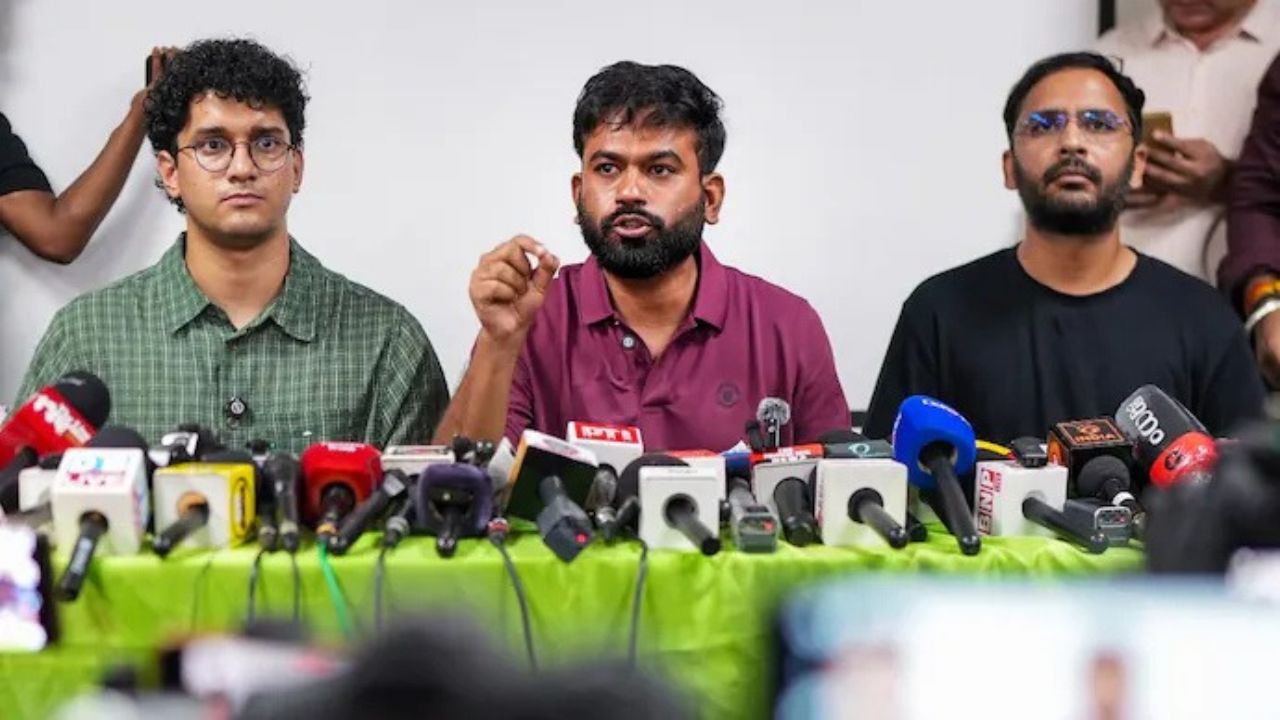
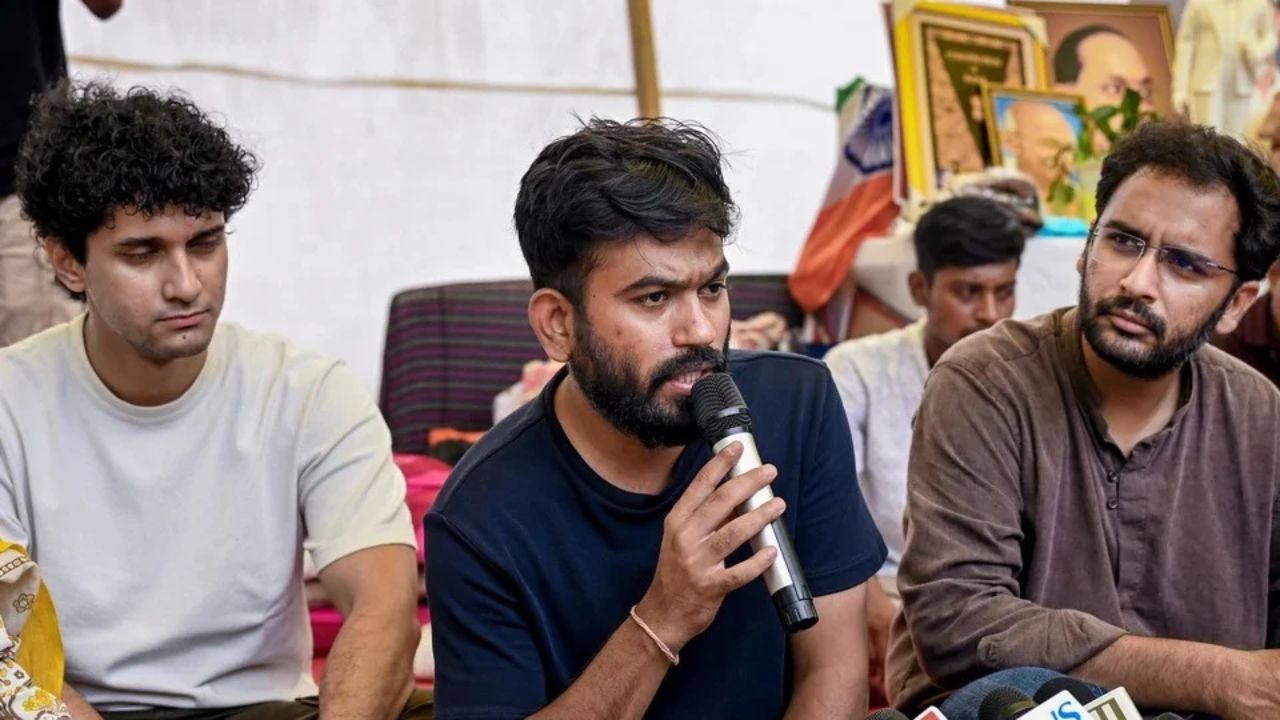
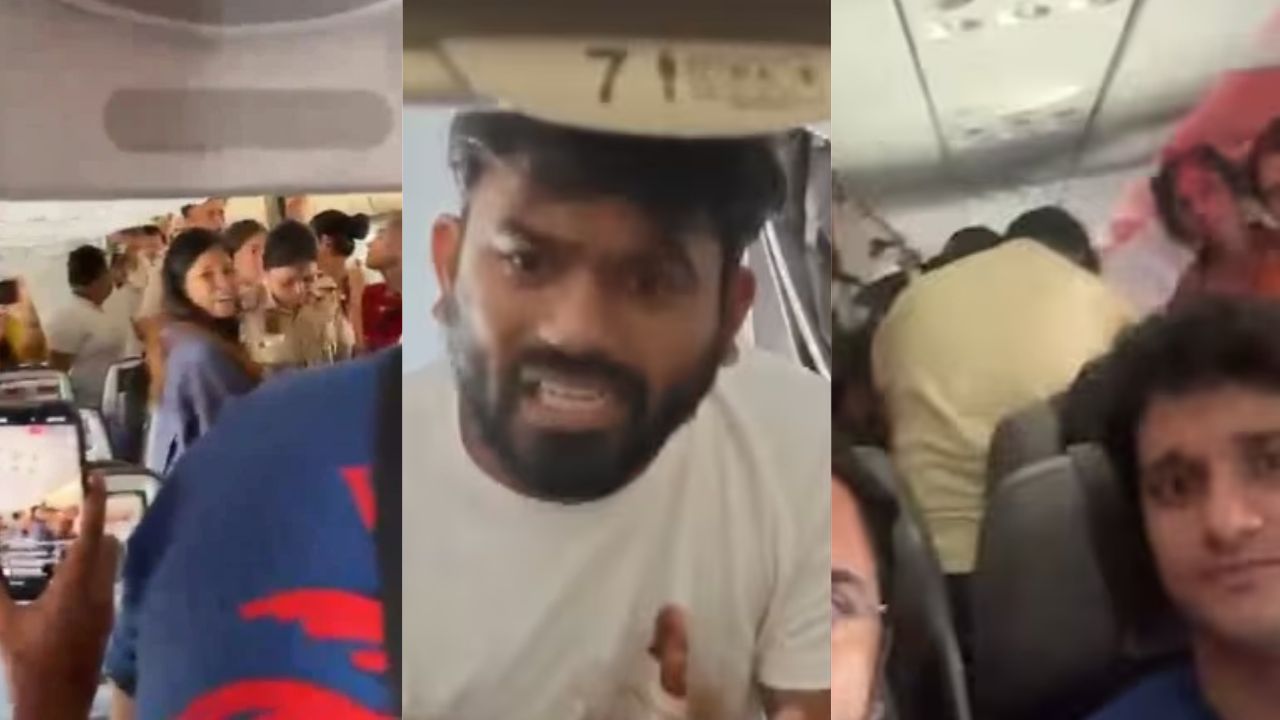
CJP founder Abhijeet Dipke and two party leaders were detained aboard an Air India flight at Delhi airport. The incident raises questions about police access to parked aircraft and aviation security rules. (Images: X)
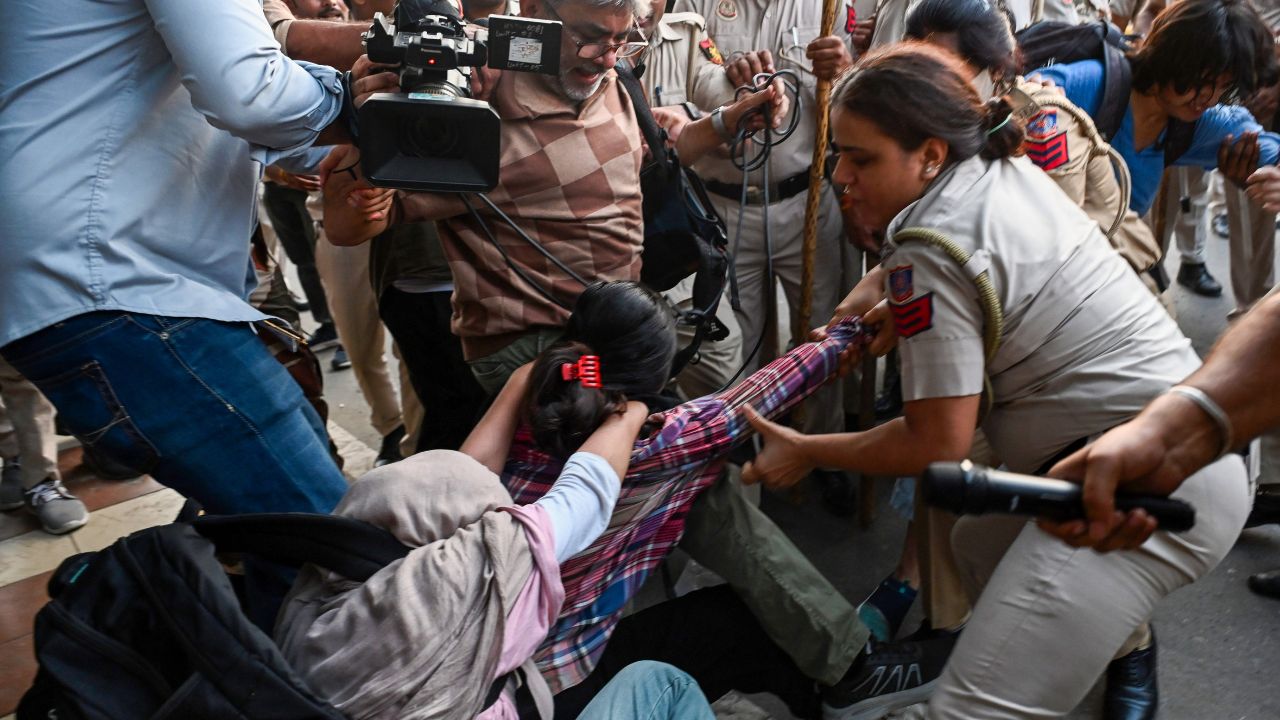
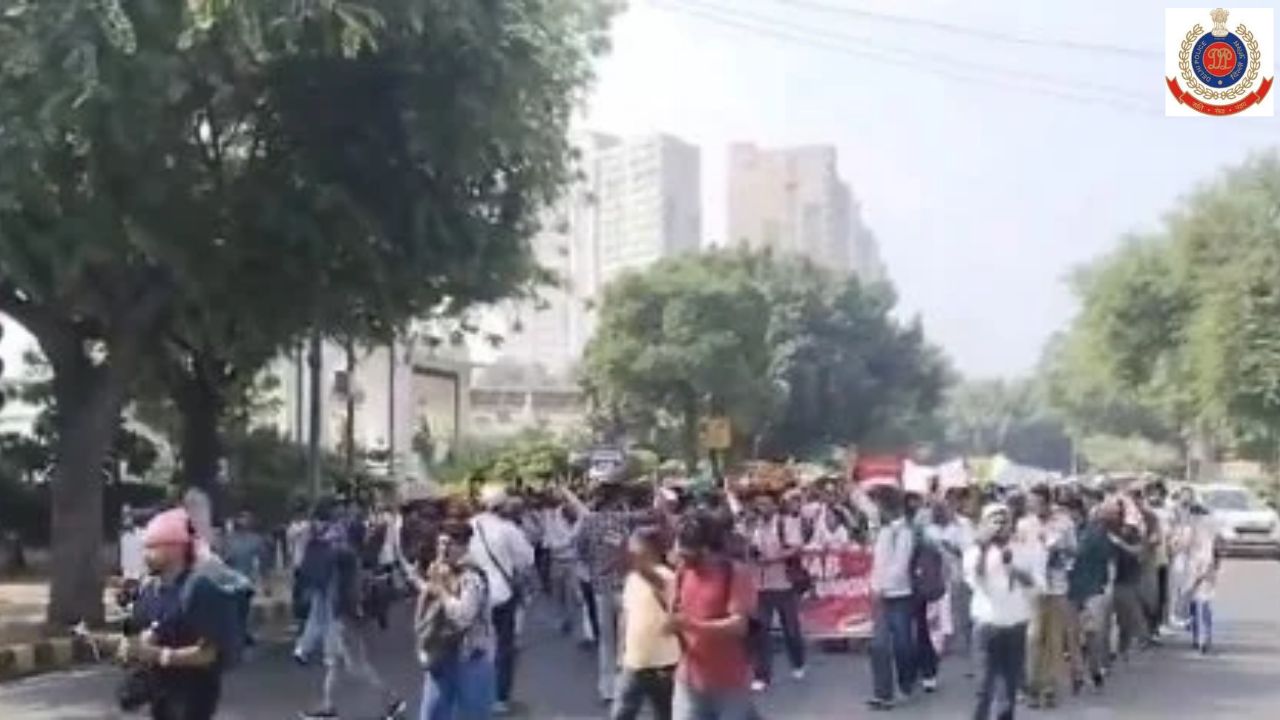
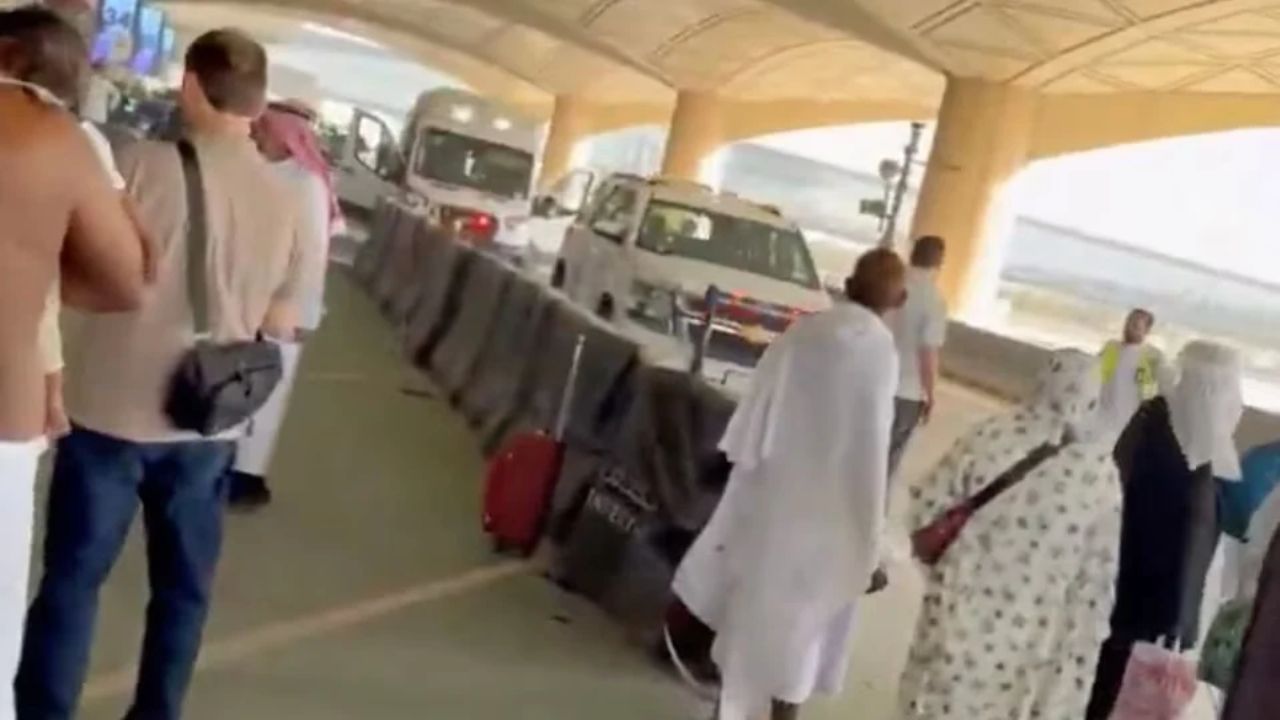
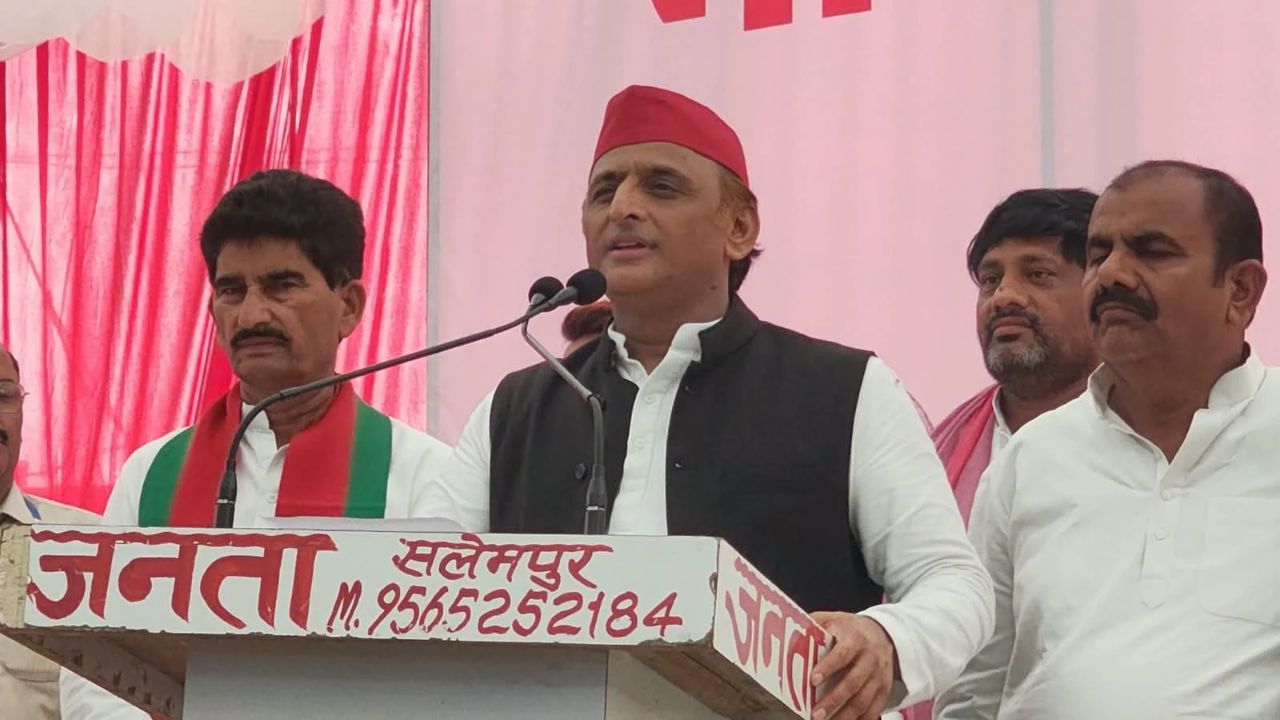
New Delhi: Three leaders of the Cockroach Janta Party (CJP), including founder Abhijeet Dipke, were detained by Delhi Police aboard an Air India flight after it landed at Delhi airport on Saturday. The incident has sparked questions about the authority of security personnel to enter an aircraft after landing and the rules governing access to parked planes. Dipke and CJP co-convenors Saurav Das and Ashutosh Ranka had travelled from Mumbai to participate in a protest at Jantar Mantar. The demonstration was planned to demand the resignation of Chief Election Commissioner Gyanesh Kumar over alleged irregularities in the Special Intensive Revision (SIR) of electoral rolls. The CJP described the police action as a “pre-planned interception”. Dipke argued that the officers could have taken the leaders into custody after they stepped off the aircraft. All three leaders were released on Sunday.
The episode has brought the Aircraft (Security) Rules, 2023, into focus, particularly the provisions governing access to aircraft, airport security and the removal of passengers.
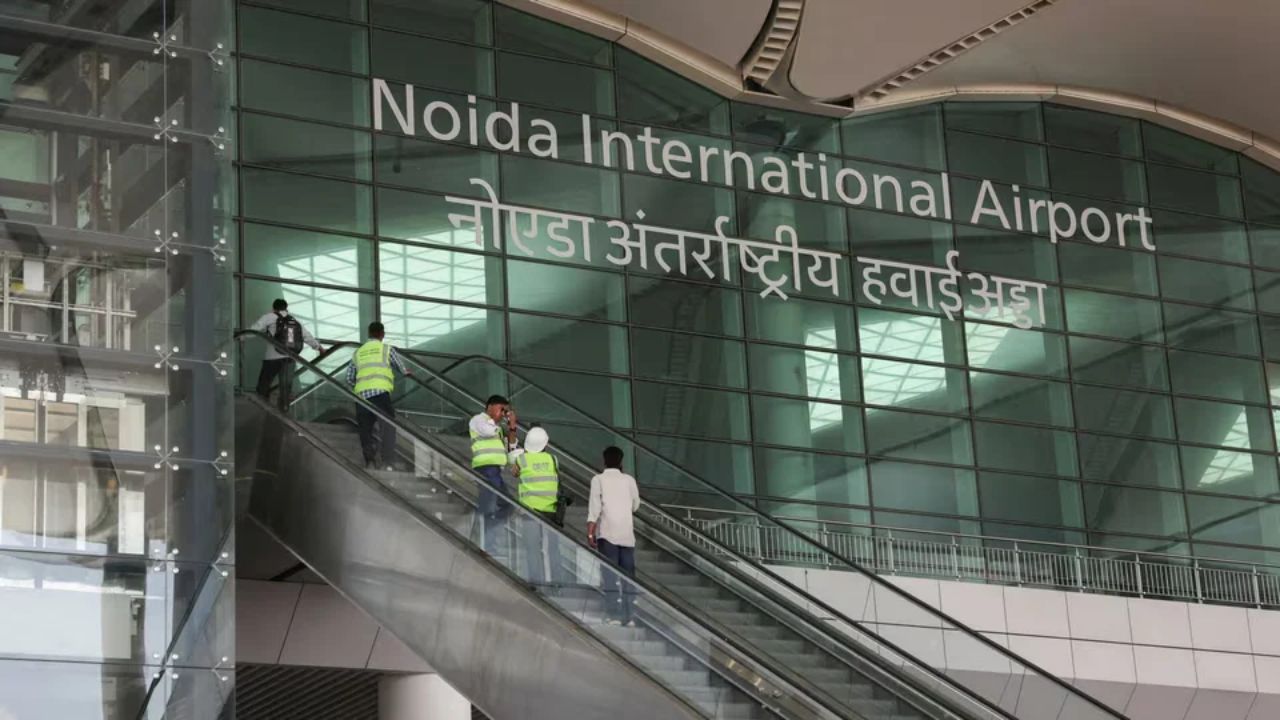
According to officials cited, Air India flight AI 2428 landed at Delhi airport at 10.18 am on Saturday. It was subsequently directed to remote bay R12 following instructions from the airport's Airside Operations Control Centre to air traffic control. Airport officials said the parking bay was changed at the last moment, with police and Central Industrial Security Force (CISF) personnel already positioned at the location. Police officers, including women personnel, approached the three CJP leaders in seats 7A, 7B and 7C. A woman sub-inspector reportedly informed Dipke that permission for the planned protest had been denied.
In a video circulated by the party, Dipke can be heard telling the officers that the leaders were prepared to be arrested. The three were taken off the aircraft before the other passengers and escorted out through cargo gate number 6. An airport official said the procedure was intended to protect the leaders' safety and prevent inconvenience to other passengers.
Airport security in India involves several authorities, each with defined responsibilities. The Bureau of Civil Aviation Security (BCAS) is the country's aviation security regulator. Under the Aircraft (Security) Rules, 2023, its director general oversees regulatory and supervisory functions and can coordinate with government agencies, airlines and airport operators. At Delhi airport, the CISF is responsible for ground security. Its duties include regulating access to restricted areas, monitoring the movement of people and vehicles in security-sensitive zones, and coordinating with local police and intelligence agencies. Airlines and airport operators also maintain security programmes approved by the BCAS director general. These arrangements establish who manages airport security, but the question of entering an aircraft involves additional provisions.
Rule 22 of the Aircraft (Security) Rules, 2023, restricts entry into an aerodrome to authorised categories, including bona fide passengers, people holding valid aerodrome entry permits or visitor admission tickets, and those with written permission from the BCAS director general or the Central Government. According to an officer quoted in media reports, police personnel involved in Saturday's operation had received special passes to access the airport premises. Rule 36 addresses access to an aircraft. It places responsibility on the aircraft operator to control entry and maintain surveillance from the security screening stage until the aircraft departs.
However, the provision does not expressly lay out a specific procedure for police officers boarding an aircraft after it has completed a flight and parked. Former police and CISF officials have said that police may enter a parked aircraft after coordinating with the pilot-in-command and the airline. One former CISF officer explained that the airline informs the captain, who then permits entry by opening the aircraft door. The exact process followed during Saturday's operation has not been fully established publicly.
Rule 8 deals with assistance in removing a person from an aircraft on safety and security grounds. It provides for the CISF's chief aerodrome security officer or an authorised Aviation Security Group officer, to assist when the pilot-in-command makes a written request. A separate provision, Rule 29A, was introduced through a 2024 amendment. It empowers the BCAS director general to issue written directions requiring a person or group to leave an aircraft in the interest of security. It remains unclear whether a direction under Rule 29A was issued in connection with the detention of the three CJP leaders. An airline official said the pilot-in-command exercises significant authority while an aircraft is in the relevant operational phase. The official also suggested that security agencies may enter once the aircraft doors are open, particularly when serious security concerns arise. However, the 2023 rules do not define the term “in flight” in the context discussed in the reports. The precise application of these provisions therefore depends on the circumstances and the applicable procedures.
Although the published rules outline responsibilities for airlines, airport operators, the CISF and the BCAS, several details of Saturday's operation remain unconfirmed. These include whether a specific written direction was issued by the aviation security regulator, what coordination took place with the pilot-in-command and airline, and which operational procedure authorised the officers to enter the aircraft. Aviation security rules also require sensitive security information and approved security programmes to be protected against unauthorised access, alteration and disclosure. This means not every operational detail is necessarily available publicly.
The detention of the CJP leaders has consequently raised a wider question about the balance between law enforcement and established aviation security procedures. Determining whether the operation complied with every applicable requirement would require further official clarification.