The approved projects include the Gondia-Jabalpur doubling
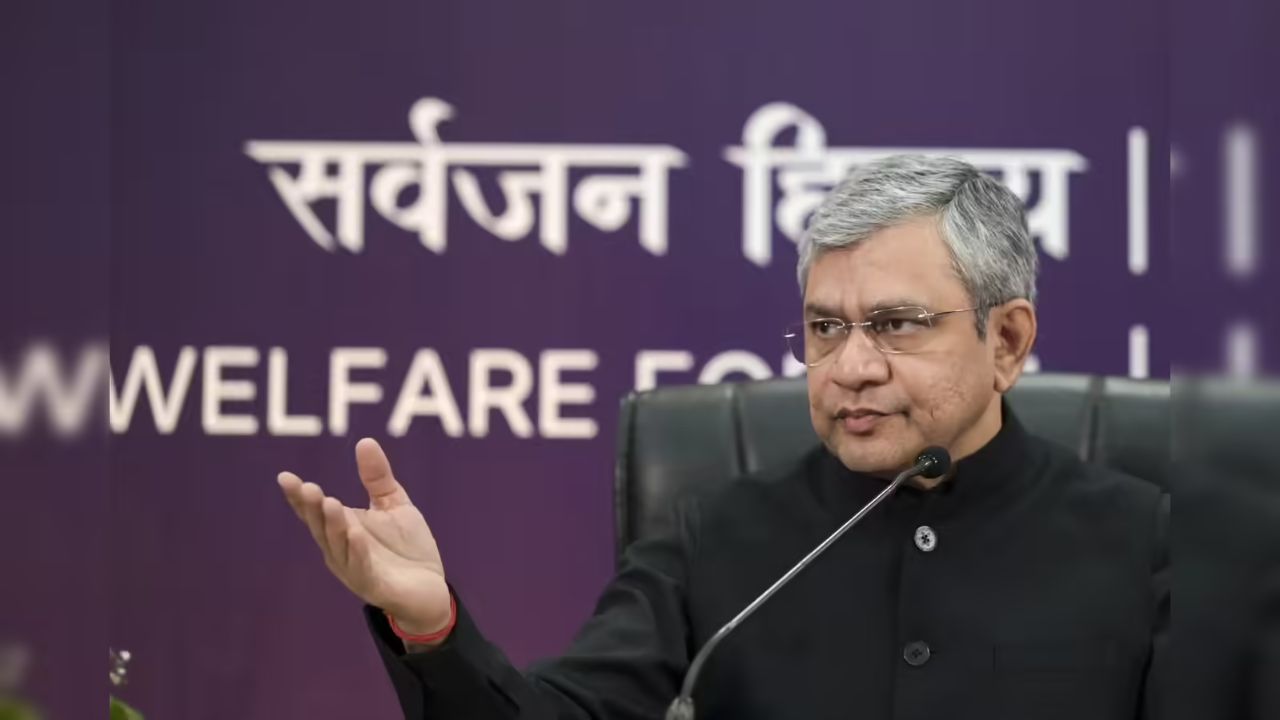
New Delhi: The Cabinet Committee on Economic Affairs, chaired by Prime Minister Narendra Modi, on Tuesday approved three large multi-tracking projects proposed by the Ministry of Railways at an estimated cost of ₹9,072 crore.
The projects will expand the existing Indian Railways network by nearly 307 kilometres, strengthening rail capacity across key regions of the country.
Kerala to be officially renamed ‘Keralam’; Modi cabinet approves state’s proposal
The approved projects include the Gondia-Jabalpur doubling, the Punarakh-Kiul third and fourth line, and the Gamharia–Chandil third and fourth line.
Together, these projects will cover eight districts spread across Maharashtra, Madhya Pradesh, Bihar, and Jharkhand, significantly easing congestion on busy rail corridors.
According to the government, the multi-tracking works will improve rail connectivity for nearly 5,407 villages, directly benefiting a population of about 98 lakh people. The additional line capacity is expected to enhance operational efficiency, improve punctuality, and ensure more reliable passenger and freight services on high-density routes.
Planned under the PM Gati Shakti National Master Plan, the projects follow an integrated infrastructure approach aimed at strengthening multi-modal connectivity and logistics efficiency. The initiative focuses on seamless movement of both passengers and goods across major economic and industrial corridors.
Cabinet clears higher investment powers for POWERGRID to boost renewable energy infrastructure
The expanded capacity will improve rail access to several important tourist destinations and eco-spots, boosting regional tourism and local economies. These routes are also critical for transporting commodities such as coal, steel, iron ore, cement, fertilizers, foodgrains and petroleum products.
The government stated that the capacity augmentation could enable 52 million tonnes per annum of additional freight traffic, reduce logistics costs, lower oil imports, and cut carbon emissions contributing to India’s climate goals while making transport more sustainable.

