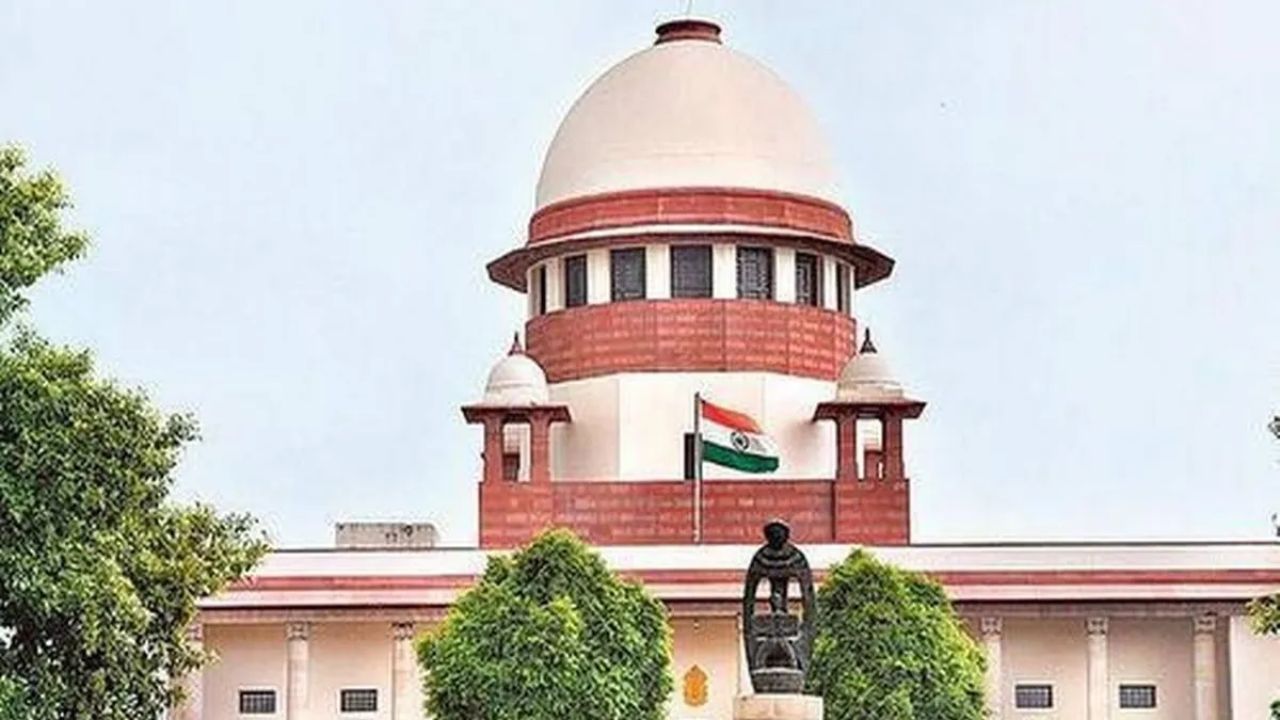
Supreme Court gives nod to Election Commission of India's (ECI) decision to use the 2002 electoral roll as the reference point for the ongoing Special Intensive Revision (SIR) of electoral rolls in Sikkim
New Delhi: The Supreme Court on Friday issued notice to the Union Government on a batch of petitions challenging the suspension and blocking of social media accounts, opening a significant legal debate over digital rights, online free speech and the powers available to authorities under the Information Technology Act and other relevant laws.
The Bench of Chief Justice of India (CJI) Surya Kant and Justice Joymalya Bagchi passed the order on a batch of petitions filed by journalists, digital content creators and social media users who have challenged restrictions imposed on their online accounts. The petitions have questioned the legality and procedure behind account suspensions carried out by social media intermediary platforms following government directions. The Supreme Court has granted time to the Union Government to submit its response before examining the matter in detail.
The case raises broader questions about how online platforms should balance legal compliance with the fundamental right to freedom of speech and expression guaranteed under Article 19(1)(a) of the Constitution. The petitioners have argued that suspension or blocking of social media accounts can have serious consequences for individuals, particularly journalists, independent creators and users who depend on digital platforms for communication, public participation and professional activities.
They have raised concerns that users are sometimes denied prior notice, detailed reasons for restrictions and an effective mechanism to challenge government-directed action. According to the petitions, restrictions on digital accounts must follow principles of natural justice, including transparency, reasoned decisions and an opportunity for affected individuals to present their case.
The petitioners have also questioned whether the existing procedure for issuing blocking and takedown directions provides adequate safeguards against arbitrary restrictions on online expression.
The Supreme Court’s notice to the Centre indicates that the court will examine important legal issues surrounding the Information Technology Act, 2000 and the rules framed under it for regulating digital platforms.
The proceedings involve questions related to the powers of the government to issue directions affecting online accounts, the responsibilities of intermediary platforms and the rights available to users affected by such decisions.
The bench observed that the matter extends beyond individual complaints and involves larger constitutional and statutory questions concerning digital governance in India.
The court is expected to examine whether the current legal framework provides an appropriate balance between protecting freedom of expression and addressing concerns related to national security, public order, cyber offences and unlawful online content.
Centre’s Response May Clarify Account Blocking Procedure
The Union Government is expected to explain the legal provisions under which directions for suspension or blocking of social media accounts are issued.
The response may also clarify the safeguards available to users, the role of social media intermediaries and the procedure followed before restricting access to digital accounts.
The court is likely to consider whether existing provisions under the Information Technology Act and Information Technology Rules provide sufficient checks against misuse while allowing authorities to act against unlawful content.
The issue involves a complex legal balance between individual digital rights and the government’s responsibility to regulate online spaces.
The Supreme Court proceedings come at a time when disputes over online content regulation, account restrictions and digital censorship have increased across India. Several cases before constitutional courts have raised concerns regarding transparency, proportionality and accountability in government-directed content moderation.
The rapid expansion of social media platforms has created new legal challenges involving misinformation, public safety, privacy, cyber security and freedom of expression. While governments across the world regulate online platforms to prevent misuse, courts have repeatedly emphasised that restrictions on fundamental rights must satisfy constitutional requirements, including legality, necessity and proportionality.
The petitions highlight the growing importance of constitutional protections in the digital environment. Article 19(1)(a) guarantees citizens the right to freedom of speech and expression, which courts have recognised as extending to online communication and digital platforms.
At the same time, this right is subject to reasonable restrictions under Article 19(2), including grounds related to national security, public order, sovereignty and integrity of India, and prevention of offences. The Supreme Court’s examination of the matter could help define how these constitutional principles apply when digital access is restricted through administrative directions.
The final decision in the matter could have a major impact on the legal framework governing social media account suspensions in India. The court’s observations may determine the extent of procedural safeguards required before online accounts are blocked, the accountability of intermediary platforms and the scope of government powers in regulating digital speech. The batch of petitions will be taken up for further hearing after the Centre files its response before the Supreme Court.
The proceedings are expected to play an important role in shaping the future relationship between digital platforms, government regulation and citizens’ constitutional rights in India’s rapidly expanding online ecosystem.

