English
 English

From online movement to political spotlight: CJP’s growing influence sparks fresh debate. (Img: X)
New Delhi: The Cockroach Janata Party (CJP), which began as an internet-based youth movement, appears to be moving closer to mainstream political discussions after receiving attention from Opposition parties on major national issues.
The latest development came on Monday after Communist Party of India (Marxist) General Secretary M A Baby invited CJP representatives for discussions linked to the Election Commission controversy. The outreach has triggered questions over whether the four-month-old movement is moving beyond activism and entering a larger political space.
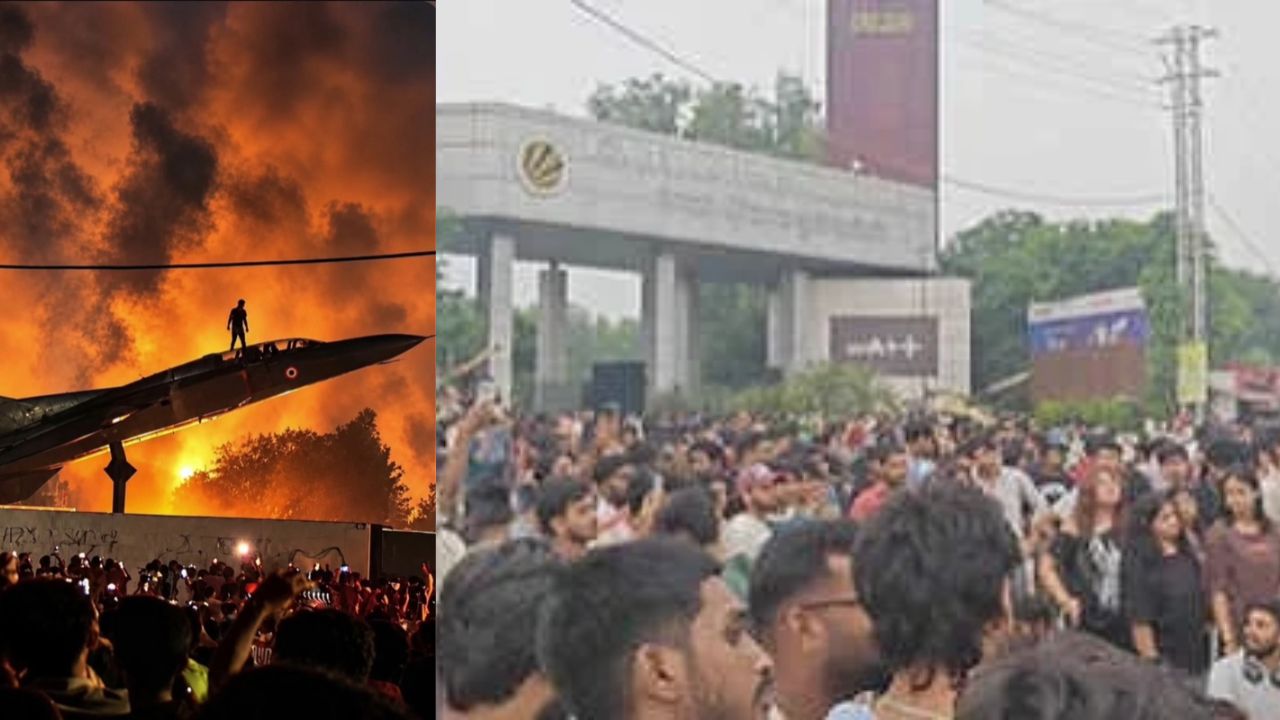
CJP was launched in May 2026 as an online movement and later became visible through protests and public campaigns. The organisation gained national attention after its Jantar Mantar protest over examination-related issues and demands for accountability from the government.
The origin of CJP was linked to online conversations around issues affecting young Indians, including examination concerns, unemployment and institutional accountability. What started as a digital campaign later transformed into a public movement with protests and organised activities.
The movement’s Jantar Mantar protest became a major turning point. The agitation focused on examination-related issues and accountability demands, eventually becoming one of the most discussed youth-led protests of 2026.
After the protest gained momentum, questions emerged about the future direction of CJP, whether it would remain a pressure group focused on social issues or develop a larger political identity.
The invitation from CPI(M) leader M A Baby has added a new dimension to the debate. While Opposition parties have previously engaged with several civil society groups and issue-based movements, the direct outreach towards CJP has drawn attention because of its growing public visibility.
According to political observers, some Opposition groups see value in engaging with youth-led platforms that have attracted public attention on issues such as elections, governance and accountability.
However, CJP’s future political role remains unclear. The movement has not been described as a conventional registered political party and its approach differs from established electoral organisations.
The Election Commission-related controversy has created another point of interaction between political parties and non-party groups. Sources familiar with Opposition discussions suggest that some INDIA bloc members may explore broader coordination with civil society voices and public movements on issues concerning democratic institutions.
At the same time, differences remain between established political parties and CJP on certain issues. A senior Opposition leader said that engaging with the movement does not necessarily mean absorbing it into electoral politics. One of the key differences is reportedly over electoral participation. While CJP has raised questions around elections and institutions, some Opposition parties continue to focus on contesting elections as the primary democratic process.
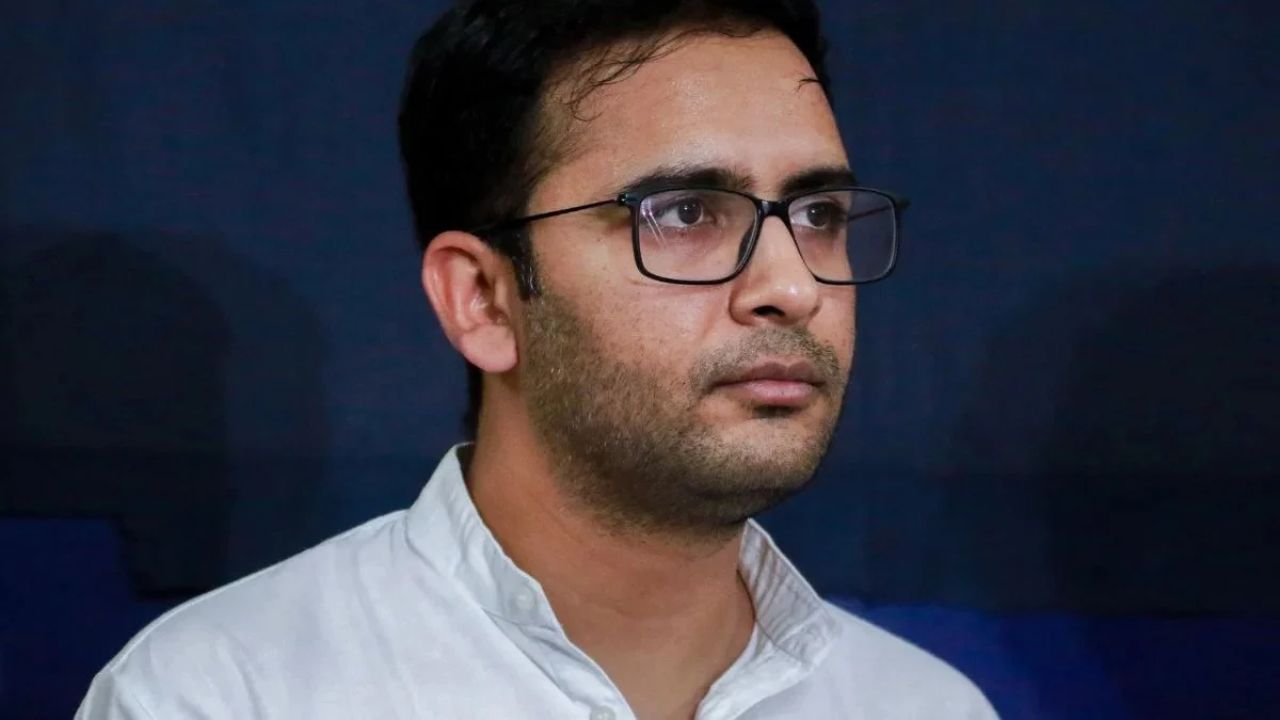
CJP founder Abhijeet Dipke has indicated that the organisation plans to continue raising issues affecting young people and public institutions. After the Jantar Mantar movement, CJP expanded its focus towards other public concerns, including examination systems and employment-related issues.
The movement’s growing presence has attracted both support and criticism. Supporters view it as a new form of youth participation, while critics question its long-term structure and political direction.
The Congress party has so far maintained a cautious approach towards direct association with CJP. However, some leaders connected with social movements have argued that conversations with emerging youth platforms could be considered.
The broader debate within Opposition circles is about how traditional political parties should engage with new-age digital movements that operate outside conventional party structures.
The coming months will determine whether CJP remains primarily a social and advocacy movement or develops a stronger political presence. The movement’s response to upcoming national issues, its organisational structure and its relationship with established political groups will shape its future trajectory.
For now, CJP’s journey from an online campaign to a participant in national political conversations has created a new debate around the changing nature of youth movements in Indian politics.