 English
 English

Cyclone Arnab Threatens Odisha As Andhra Coast Braces for Landfall (Img: IANS)
New Delhi: Odisha is again witnessing a severe storm after two years, bringing back memories of Cyclone Dana, which struck the state in October 2024. Dana damaged around 1,780 houses and more than 180,000 hectares of standing crops and winter vegetables, leaving a trail of destruction across affected areas.
Cyclone Dana began making landfall around midnight on October 24, 2024, with its eye crossing the north Odisha coast between Bhitarkanika in Kendrapara district and Dhamra in Bhadrak district. The storm brought sustained winds of 100–110 kmph, with gusts reaching 120 kmph. The state government also took extensive precautions to achieve its “zero casualty” target, moving around 4,871 pregnant women nearing delivery to hospitals. During the storm, 2,641 safe institutional births were recorded.
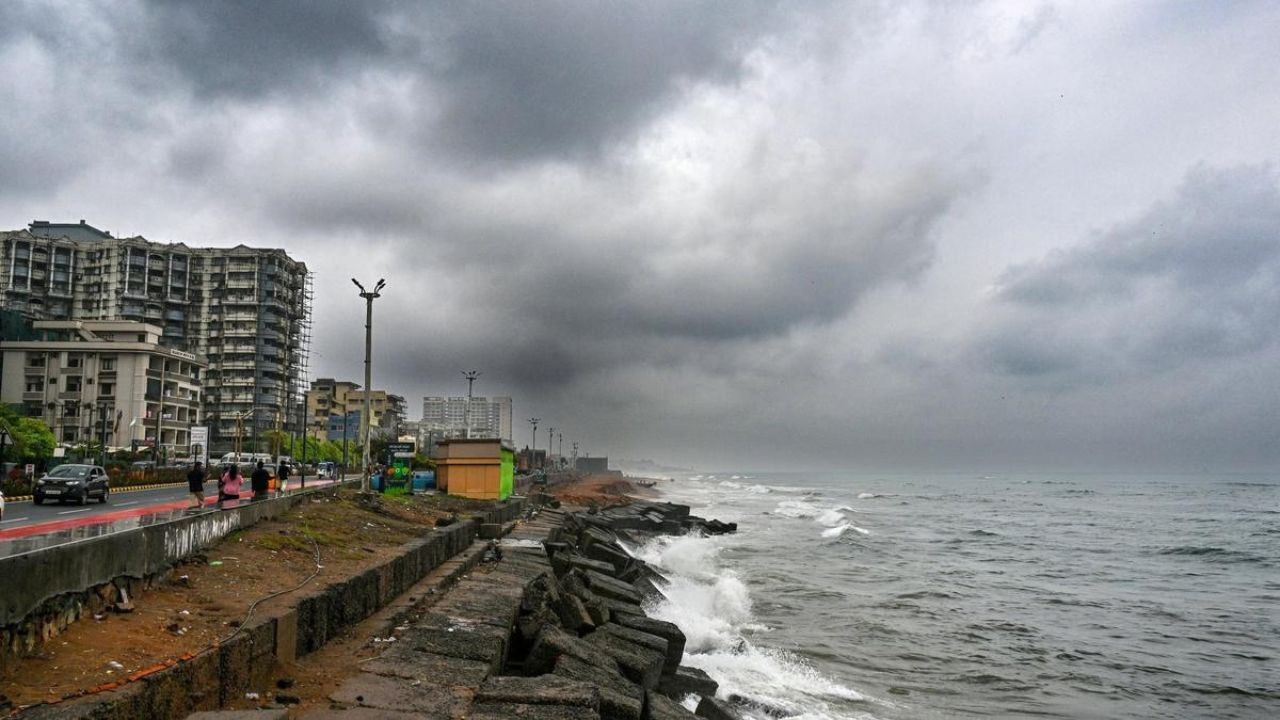
Now, two years later, Cyclone Arnab has put Odisha and neighbouring Andhra Pradesh on alert. Rain has already affected several districts in southern Odisha, while the cyclone is moving towards the Andhra Pradesh coast. With the system expected to intensify and bring powerful winds and torrential rain, the key concerns are flooding, damage to homes and infrastructure, and disruption to transport and electricity.
Here is a look at the cyclone’s position, the regions facing the greatest threat, the preparations underway and the origin of its name.
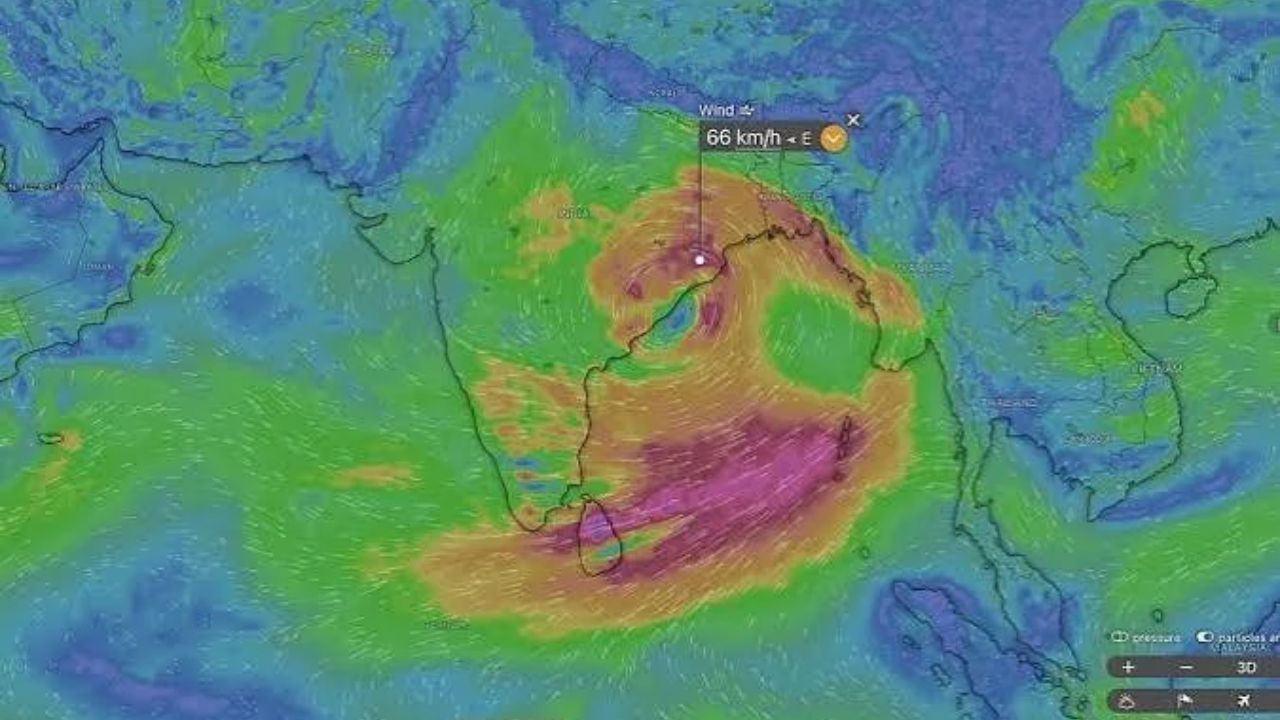
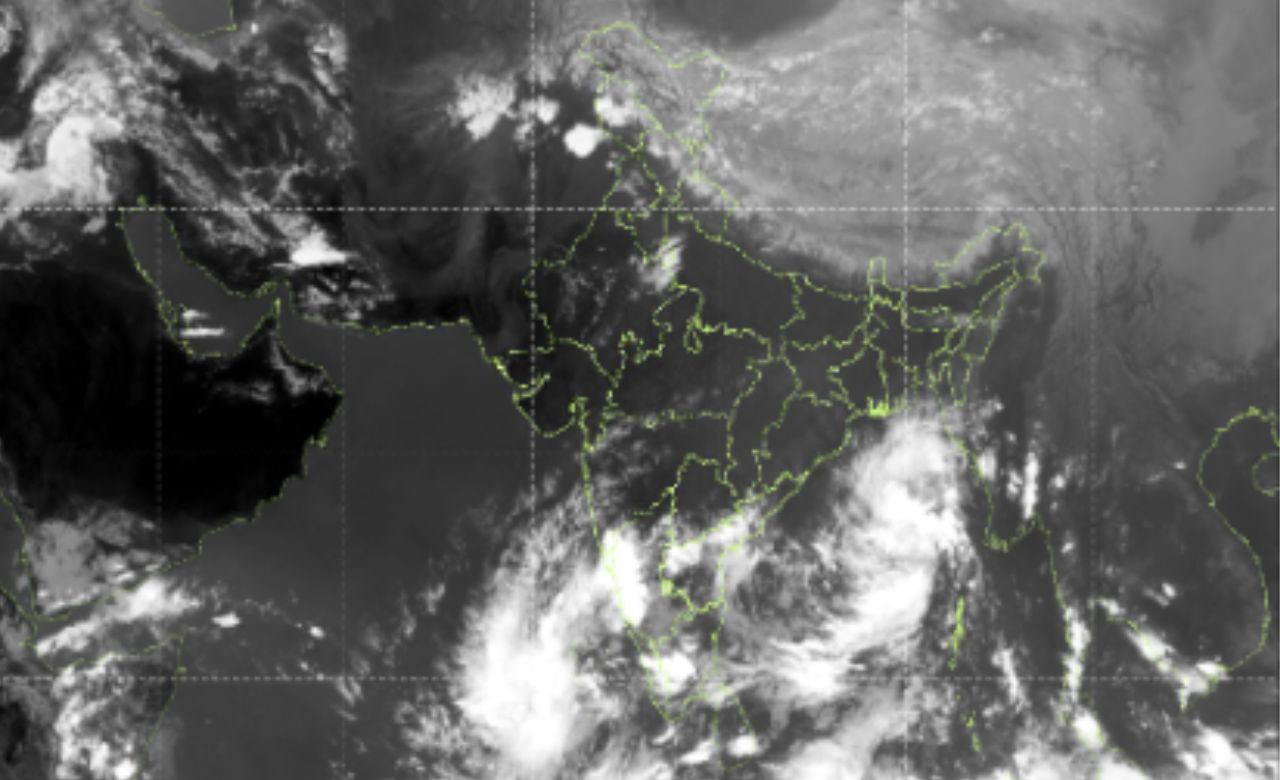
As of October 27, the India Meteorological Department (IMD) located Cyclone Arnab over the west-central Bay of Bengal, near 15.8°N latitude and 86.8°E longitude.
The system was approximately 440 km south-southeast of Gopalpur in Odisha, 430 km east-southeast of Visakhapatnam and 500 km east-southeast of Kakinada in Andhra Pradesh.
The cyclone was moving west-northwestwards and was forecast to intensify into a very severe cyclonic storm. It was expected to cross the Andhra Pradesh and Yanam coasts between Bapatla and Visakhapatnam, close to Yanam, by the forenoon of Wednesday, October 28.
Sub: Very Severe Cyclonic Storm “Arnab” [Pronunciation : Ornab] over Westcentral Bay of Bengal [Cyclone Warning for Andhra Pradesh and adjoining South Odisha coasts—Red Message]
The very severe cyclonic storm “Arnab” [Pronunciation :Ornab] over Westcentral Bay of Bengal moved nearly westwards with a speed of 22 kmph during past 6 hours, and lay centered at 0530 hrs IST of today, the 27th October, 2026 over the same region near latitude 15.9°N and longitude 84.8°E, 260 km southeast of Vishakhapatnam (Andhra Pradesh), 300 km east-southeast of Kakinada (Andhra Pradesh), 380 km south of Gopalpur (Odisha), 390 km east of Machilipatnam (Andhra Pradesh), 460 km east of Bapatla (Andhra Pradesh) and 980 km west-northwest of Sri Vijaya Puram (Andaman Islands).
it is very likely to move west-northwestwards till evening of 27th October and thereafter, it is very likely to move northwestwards and cross Andhra Pradesh & Yanam coasts between Bapatla and Visakhapatnam, close to Yanam as a very severe cyclonic storm with the maximum sustained windspeed of 115-125 kmph gusting to 140 kmph by forenoon of 28th October, 2026.
The system is under continuous surveillance of the Doppler Weather Radar at Vishakhapatnam.— India Meteorological Department (@Indiametdept) October 27, 2026
The projected landfall makes coastal Andhra Pradesh the immediate focus of concern, while southern Odisha remains vulnerable to heavy rainfall and its associated effects.
The IMD forecast maximum sustained wind speeds of 115–125 kmph, with gusts reaching 140 kmph, around the time the cyclone crosses the coast.

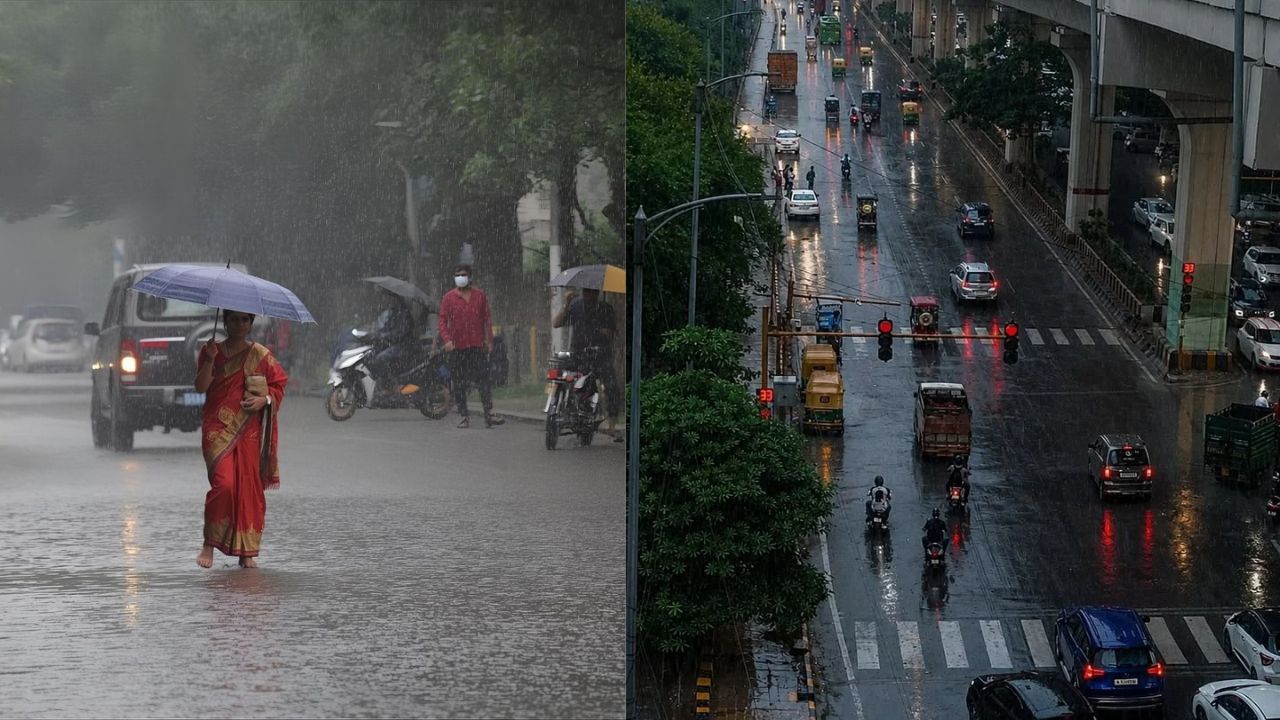
Heavy to extremely heavy rainfall was also expected across northern and central coastal Andhra Pradesh and southern Odisha. The combination of intense rain and powerful winds could pose a serious threat to vulnerable buildings, trees, power lines and communication networks.
Low-lying areas could experience waterlogging or flooding, while fallen trees and damaged infrastructure could disrupt road connectivity and essential services. Agricultural fields may also face losses if heavy rain and strong winds affect standing crops.
The extent of the damage will depend on the cyclone's intensity at landfall, the duration of heavy rainfall and the effectiveness of precautionary measures.
Several districts in southern Odisha have been placed under heightened weather alerts as the cyclone approaches.
A red warning was issued for Ganjam, Gajapati, Rayagada, Koraput and Malkangiri, indicating the risk of extremely heavy rainfall. Isolated locations in the affected areas could receive more than 20 cm of rain within 24 hours.
An orange alert was also issued for Kalahandi, Kandhamal, Nabarangpur, Nuapada, Balangir, Bargarh, Puri, Khurda, Nayagarh and Sundargarh.
Coastal areas of Andhra Pradesh between Visakhapatnam and Bapatla, including the Kakinada and Godavari regions, are also among the areas being closely monitored as the system approaches land.
Rainfall has already been reported in parts of Khurda district in Odisha. As a precaution, tourist boat services have been suspended for three days to reduce risks to visitors and operators.
The immediate concerns in the affected regions include flash flooding in vulnerable locations, damage to houses with weak structures, disruption of electricity and communication services, and difficulties in reaching isolated communities.
Authorities have begun precautionary measures to limit casualties and reduce damage as the cyclone approaches.
Schools, colleges and Anganwadi centres in six southern Odisha districts — Ganjam, Gajapati, Rayagada, Malkangiri, Koraput and Nabarangpur — were ordered to remain closed.
State authorities identified around 570,000 people as vulnerable, with evacuation operations scheduled to begin on the evening of October 26. People living in low-lying areas and vulnerable houses were being moved to safer locations.
Fishermen were asked to return to shore, while fishing activities and access to certain tourist locations were restricted. Officials also made arrangements for healthcare support for pregnant women nearing delivery, drawing on the precautions adopted during previous cyclones.
Five senior IAS officers were assigned to Rayagada, Koraput, Gajapati, Malkangiri and Nabarangpur to oversee preparedness and coordinate the response. Teams from the Odisha Disaster Rapid Action Force (ODRAF) and six National Disaster Response Force (NDRF) teams were also deployed in vulnerable districts.
Railway authorities have established a 24-hour war room at zonal and divisional headquarters. Monitoring has been stepped up at vulnerable bridges, tracks, railway yards and signalling systems. Drainage channels have been cleared to reduce waterlogging, while passenger help desks, medical teams, ambulances and emergency maintenance supplies have been arranged.
Power restoration preparations have also been put in place to help minimise the disruption caused by damage to electricity infrastructure.
The effectiveness of these measures will depend on timely evacuations, clear communication of warnings and the ability of emergency teams to reach affected communities during and after the storm.
Cyclone names are not chosen randomly. The World Meteorological Organization (WMO) and the United Nations Economic and Social Commission for Asia and the Pacific (ESCAP) oversee the regional naming system through the Panel on Tropical Cyclones.
The official list for the North Indian Ocean contains names contributed by 13 member countries: Bangladesh, India, Iran, the Maldives, Myanmar, Oman, Pakistan, Qatar, Saudi Arabia, Sri Lanka, Thailand, the United Arab Emirates and Yemen.
The name “Arnab” was proposed by Bangladesh, and its prescribed pronunciation is “Ornab”.
Names are assigned sequentially from the approved list. The system allows meteorological agencies, governments, emergency services and the public to identify storms quickly and communicate warnings without confusion, particularly when several weather systems are active.
What lies ahead?
Cyclone Arnab's approach is a reminder of the risks that powerful tropical storms pose to eastern India, particularly coastal communities and districts vulnerable to intense rainfall.
For Odisha, the experience of Cyclone Dana offers an important lesson in disaster preparedness. The evacuation of vulnerable residents, protection of essential infrastructure and timely coordination between agencies can play a crucial role in limiting casualties.
As the cyclone moves towards the Andhra Pradesh coast, close monitoring of its track, intensity and rainfall forecasts will remain essential. Residents in warning zones should follow official advisories, avoid unnecessary travel during severe weather and move to designated shelters when instructed by authorities.
Keywords: Cyclone Arnab, Cyclone Dana, Odisha cyclone alert, Andhra Pradesh landfall, IMD weather warning, heavy rainfall, NDRF deployment, cyclone preparedness
Caption (8 words): Cyclone Arnab Threatens Odisha As Andhra Coast Braces for Landfall