 English
 English

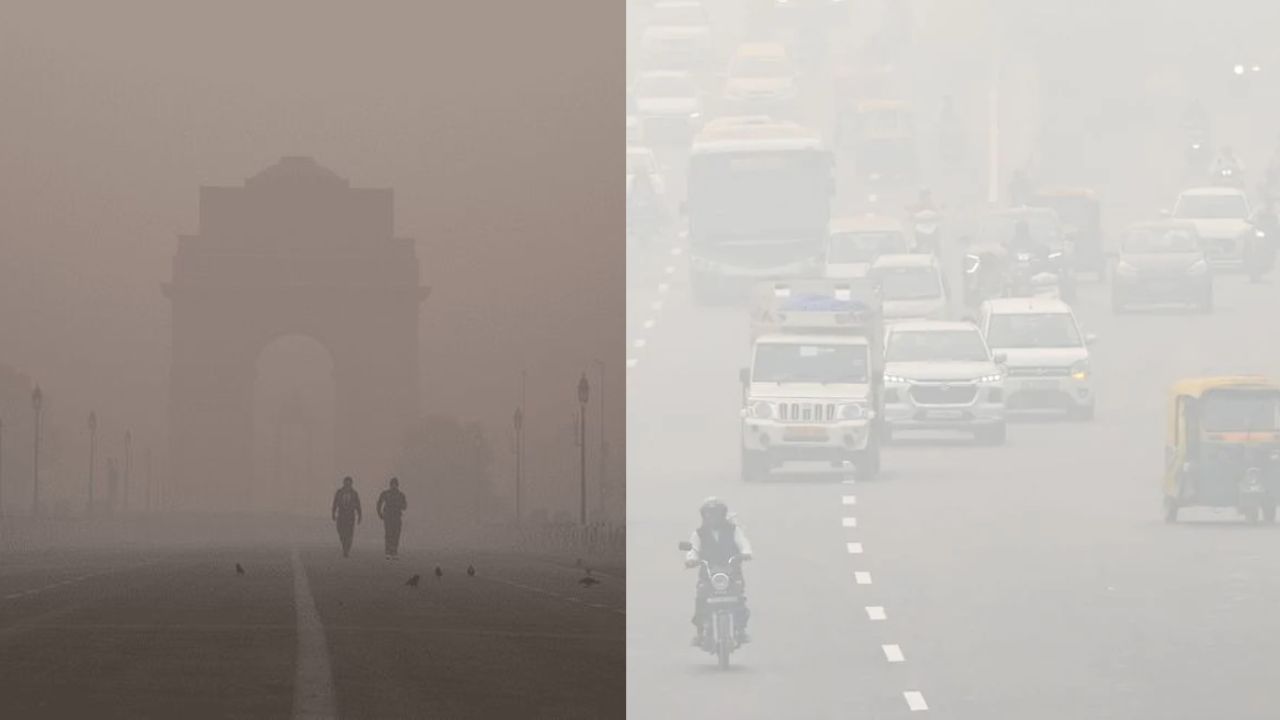
Delhi AQI Drops to 228, But Anand Vihar and Noida Remain Highly Polluted (Img: AI Generated)
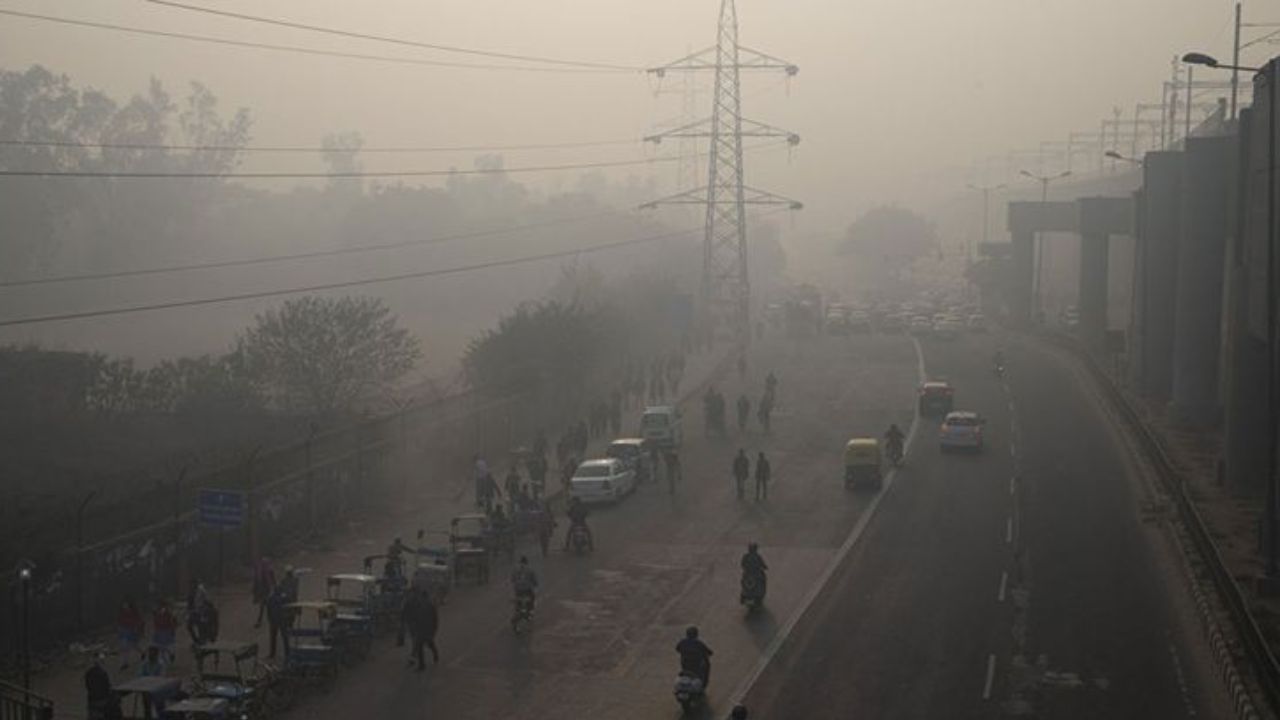
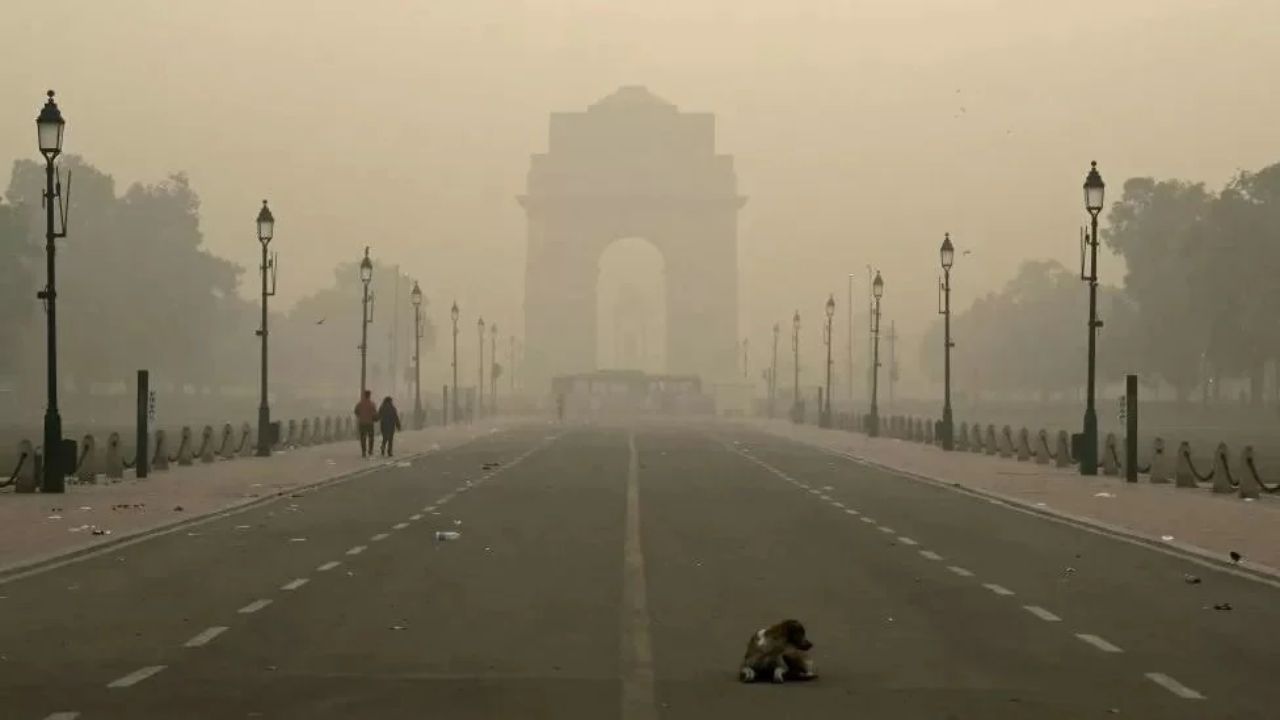
New Delhi: Delhi residents have received some respite from worsening air pollution as the national capital's Air Quality Index (AQI) has dropped to 227. The improvement comes after several days of relatively better air quality, with the overall AQI remaining below the 300 mark.
While the decline is encouraging, pollution levels continue to remain a concern across several parts of Delhi-NCR. The improvement may offer some relief to residents, but sensitive groups, including children, senior citizens and people with respiratory conditions, should continue taking precautions.
Despite the improvement in Delhi's overall air quality, pollution levels vary significantly across different locations. Some areas continue to record very poor air quality.
The area wise AQI figures show significant variations across Delhi-NCR. Noida Sector 62 recorded the highest AQI at 345, falling under the very poor category, followed by Anand Vihar at 327. Chandni Chowk registered an AQI of 274, while Bawana stood at 264 and Gurugram's Sector 51 recorded 282, all categorised as poor. Ashok Vihar also reported poor air quality with an AQI of 224. In comparison, IGI Airport recorded an AQI of 190, Indirapuram in Ghaziabad stood at 174, and Hapur reported the lowest AQI of 109, with all three locations falling in the moderate category.
Noida Sector 62 recorded the highest AQI among the listed locations at 345, followed by Anand Vihar at 327. Meanwhile, Hapur reported comparatively better air quality with an AQI of 109.
Authorities have been implementing several measures to tackle pollution in Delhi. These include efforts to control emissions, address dust pollution and discourage activities contributing to deteriorating air quality.
Stubble burning in neighbouring states, particularly Punjab and Haryana, is also considered a seasonal contributor to pollution in the Delhi-NCR region. Initiatives encouraging farmers to adopt alternatives to crop residue burning have been underway.
The recent decline in AQI has raised hopes of further improvement in the coming days. However, changing weather conditions, wind speed and local pollution sources will continue to influence air quality.
For now, residents should remain cautious, particularly in areas where pollution levels are still in the very poor category.