 English
 English

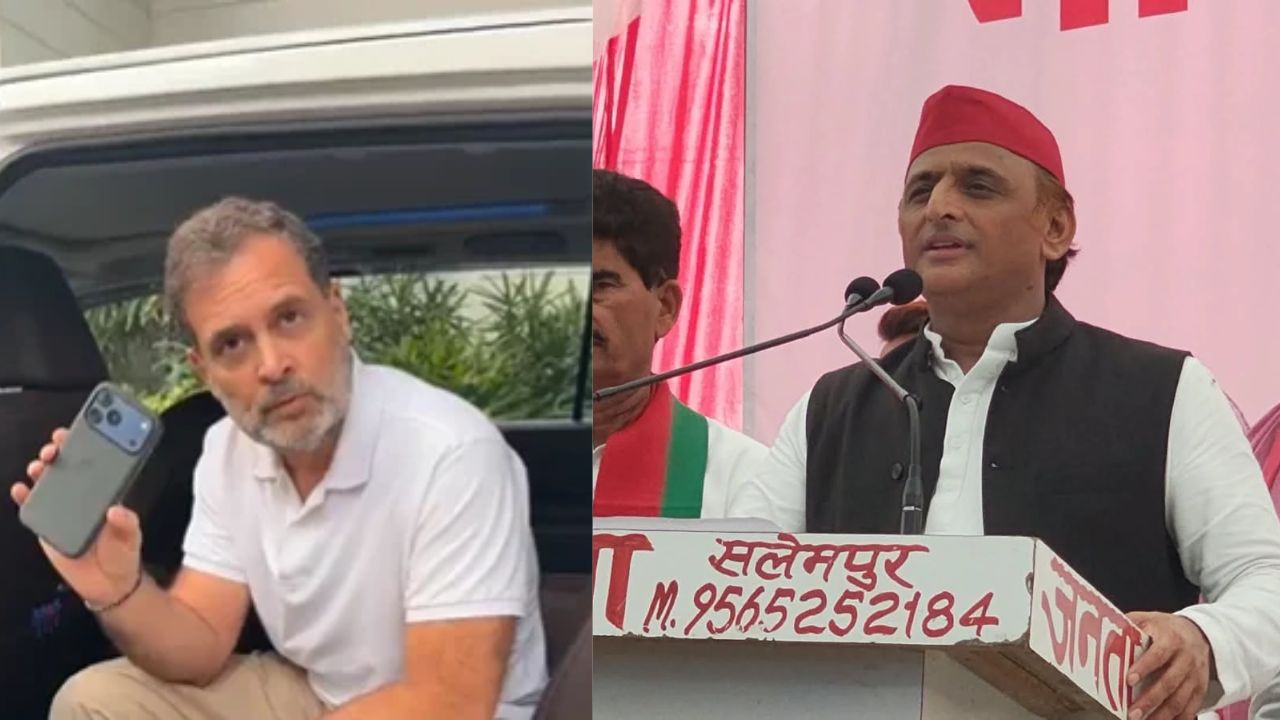
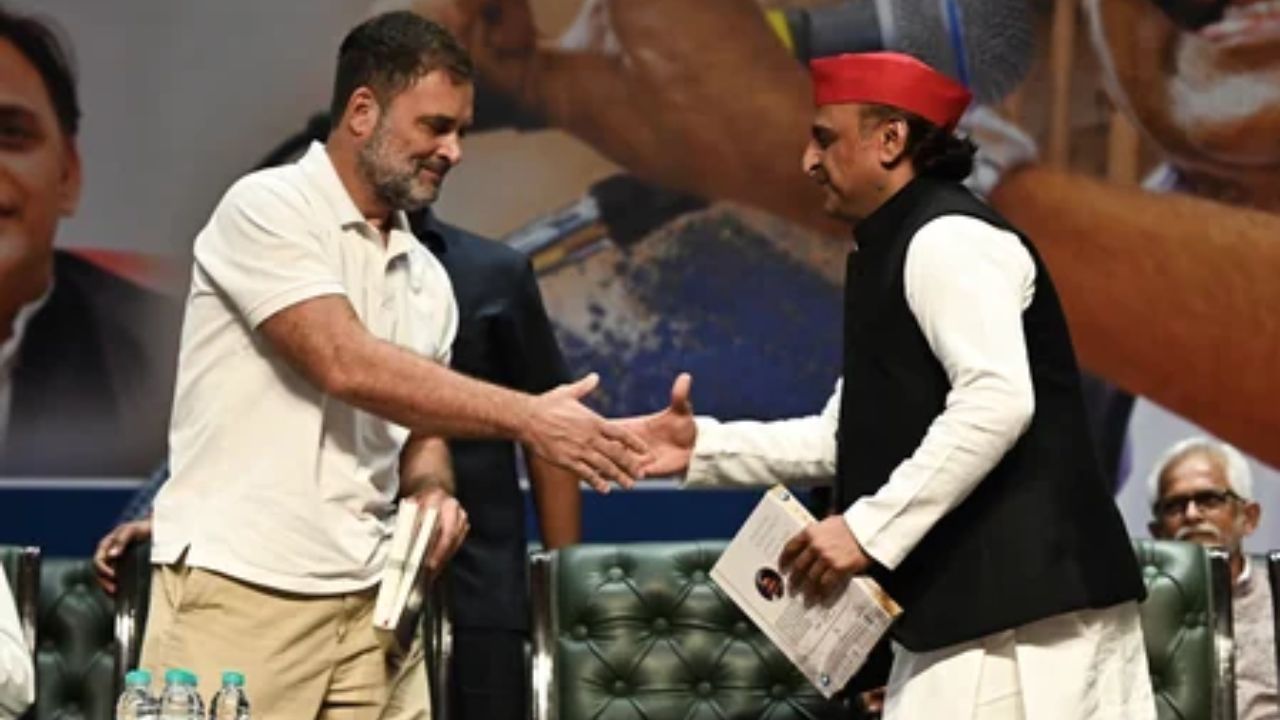
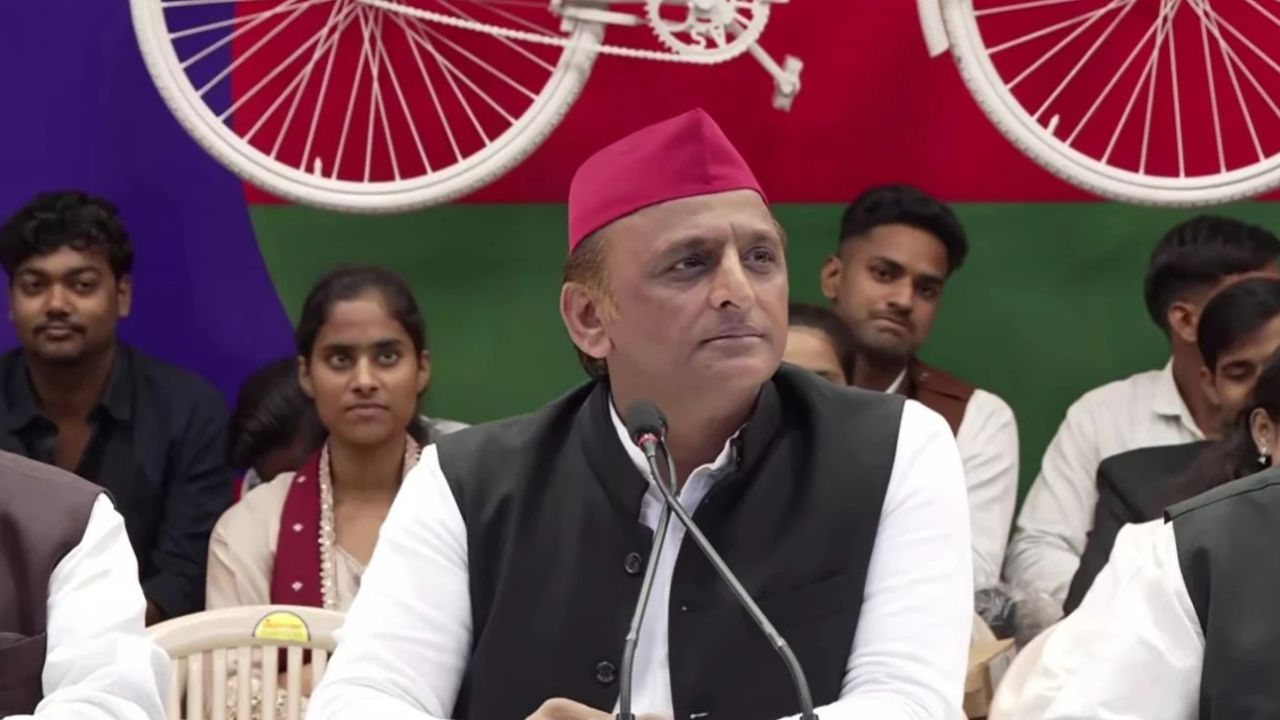
26 Seats, Big Political Battle: Akhilesh Yadav's reported offer puts Congress under pressure in UP alliance negotiations. (Img: X)
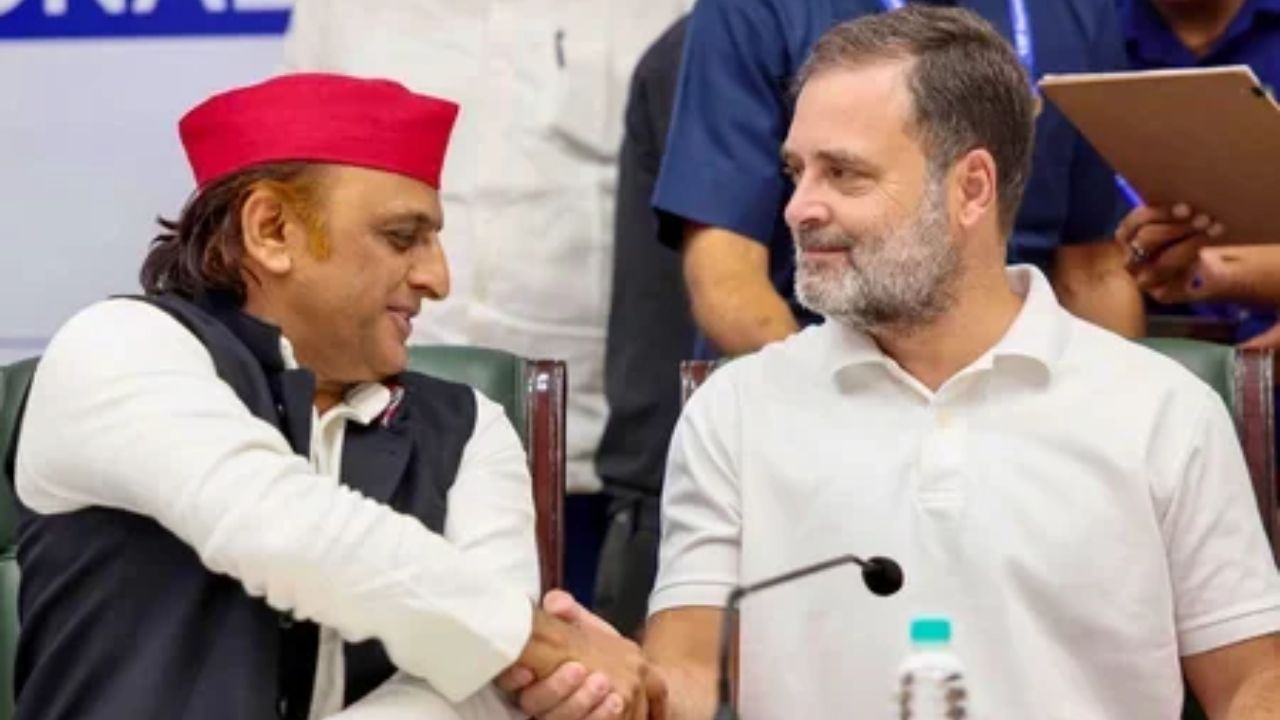
New Delhi: The Samajwadi Party appears to have taken the initiative in the ongoing seat-sharing negotiations with the Congress for the 2027 Uttar Pradesh Assembly elections, putting the national party on the defensive with an initial offer of 26 constituencies.
The development has altered the negotiating dynamics between the two INDIA bloc partners, with the Congress reportedly expecting a significantly larger allocation based on its electoral performance in the 2024 Lok Sabha elections and its organisational presence across Uttar Pradesh.
The second round of discussions between the two parties continued for approximately three-and-a-half hours on Tuesday, with leaders examining constituency-level electoral prospects across different regions of the politically crucial state. However, the sharp difference over seat allocation remains a major challenge.
Political sources indicated that negotiations could continue into next month, with both sides preparing for intensive bargaining and confidential discussions before arriving at a mutually acceptable formula. The final arrangement could reportedly see the Congress securing between 60 and 70 Assembly seats, potentially following intervention by senior leaders Rahul Gandhi and Priyanka Gandhi Vadra.
The Samajwadi Party's decision to publicly indicate an offer of 26 seats before the latest round of discussions began reportedly caught the Congress leadership off guard. For nearly 10 days, political coverage had focused on the Congress's reported demand for approximately 180 constituencies, with speculation that the party could eventually settle for around 100 seats after extensive negotiations.
The prevailing political narrative had suggested that the Congress was entering the discussions from a relatively strong bargaining position and that the SP would have to accommodate its ally with a respectable number of constituencies. However, the SP's 26-seat proposal significantly altered that perception.
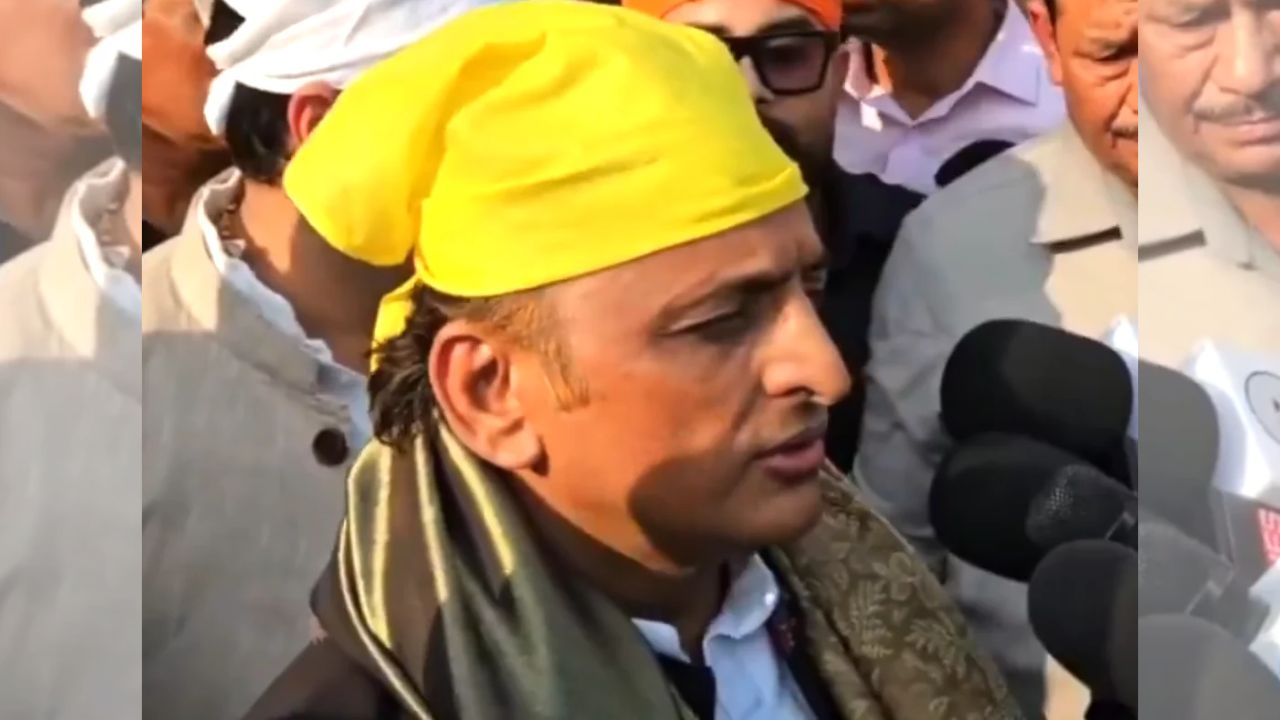
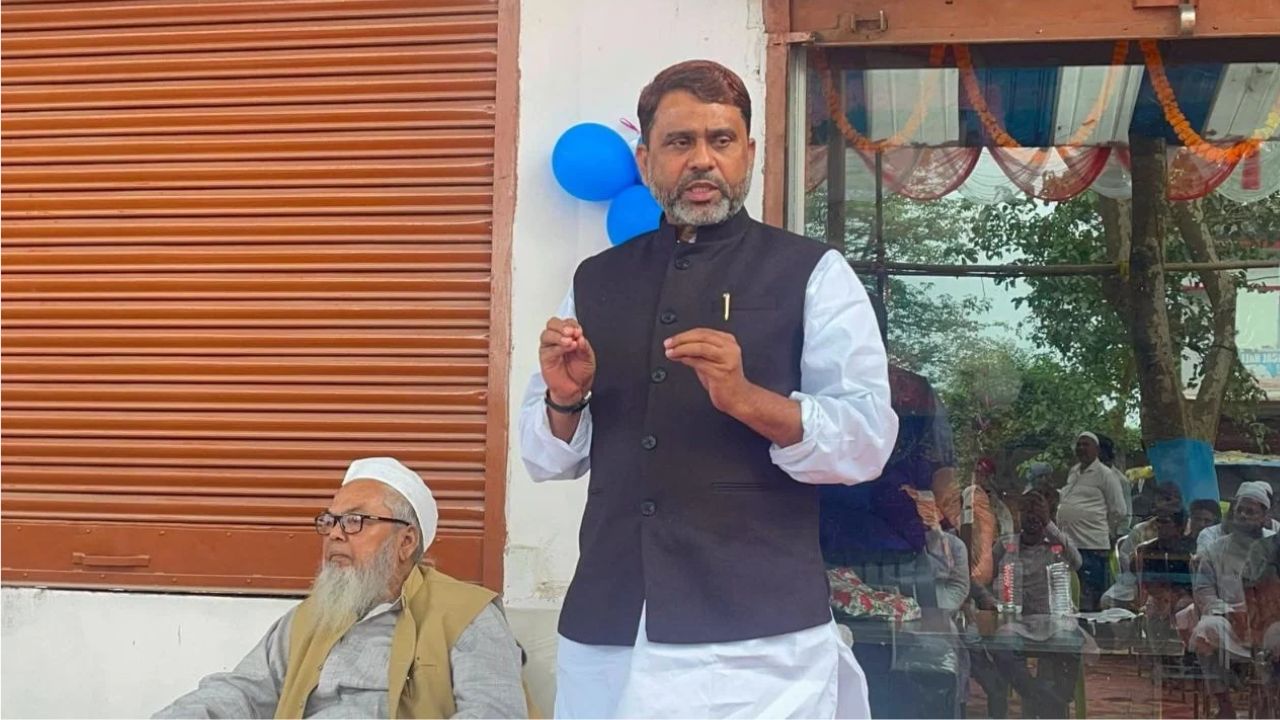
Before the negotiations commenced, news agencies including PTI and ANI reported remarks by senior SP leader Ram Gopal Yadav indicating that the party had offered the Congress 26 constituencies.
Explaining the basis of the proposal, Yadav reportedly said that the allocation included the two constituencies currently held by the Congress, four seats where the party had finished second and another 20 constituencies where the SP had secured approximately 60,000-70,000 votes, while the Congress had received only around 2,000 votes.
The proposal appeared to underline the SP's insistence that constituency-level electoral strength, rather than the Congress's broader political ambitions, should determine the eventual seat-sharing arrangement.
The announcement of the 26-seat proposal reportedly generated considerable disappointment within the Congress camp. Congress leaders Imran Masood and Rajendra Pal Gautam were understood to have been particularly taken aback by the development, as the SP's position indicated that the regional party was unwilling to automatically concede a larger share based on the Congress's national political standing.
The development also exposed the contrasting approaches adopted by the two alliance partners. While the Congress has been seeking a larger electoral footprint, the SP appears keen to retain control over the seat-sharing exercise by evaluating individual constituencies through past voting patterns, organisational strength and candidate winnability.
The difference is particularly significant because both parties need to protect their respective political bases while preventing internal disagreements from weakening the INDIA bloc ahead of the 2027 Assembly elections.
The second round of discussions lasted approximately three-and-a-half hours, with representatives of both parties examining constituencies across Uttar Pradesh. After the meeting, Uttar Pradesh Congress president Aradhana Misra-Mona indicated that the discussions had covered several seats and focused on the electoral prospects and winning capabilities of candidates.
When questioned about Ram Gopal Yadav's reported statement regarding the 26-seat offer, she said the Congress was not aware of such a proposal but confirmed that discussions had taken place on multiple constituencies.
Ram Gopal Yadav, meanwhile, avoided giving a direct clarification on the 26-seat issue when questioned by reporters. He maintained that negotiations were continuing and another meeting would be scheduled shortly. The statements from both sides suggest that the discussions remain open-ended, with neither party willing to publicly disclose its complete negotiating position.
During the negotiations, the Congress reportedly reiterated its claim over Assembly constituencies falling within six Lok Sabha constituencies where it currently has parliamentary representation. These include Rae Bareli, Amethi, Allahabad, Sitapur, Saharanpur and Barabanki.
According to political sources, the Congress has commissioned an electoral survey and believes it has a relatively strong organisational and electoral presence across these parliamentary constituencies.
The party is therefore seeking a substantial share of Assembly seats within these geographical belts, arguing that its parliamentary victories demonstrate its potential to compete effectively in the region.
In a corresponding indication of its willingness to accommodate the SP elsewhere, the Congress reportedly offered to leave all Assembly constituencies falling under the Firozabad, Kannauj, Mainpuri and Azamgarh Lok Sabha constituencies to its alliance partner. These areas are considered important components of the Samajwadi Party's traditional political influence.
The proposed arrangement reflects an attempt to develop a constituency-based understanding that protects the core electoral territories of both parties rather than relying exclusively on an overall numerical allocation.
Western Uttar Pradesh is also emerging as an important area of contention in the negotiations. The Congress has reportedly sought a larger share of constituencies in the region, where the Samajwadi Party currently has 22 sitting MLAs.
The SP has indicated that it would consider accommodating the Congress wherever electoral circumstances permit. However, the regional party must also account for its previous alliance commitments.
The Rashtriya Lok Dal (RLD) and Suheldev Bharatiya Samaj Party (SBSP) had contested the 2022 Uttar Pradesh Assembly elections in alliance with the SP. Consequently, the constituencies contested by these parties could also become relevant while determining the final seat-sharing formula.
This adds another layer of complexity to the negotiations, as the SP must balance the Congress's demands with its own sitting legislators, traditional strongholds and previous political commitments.
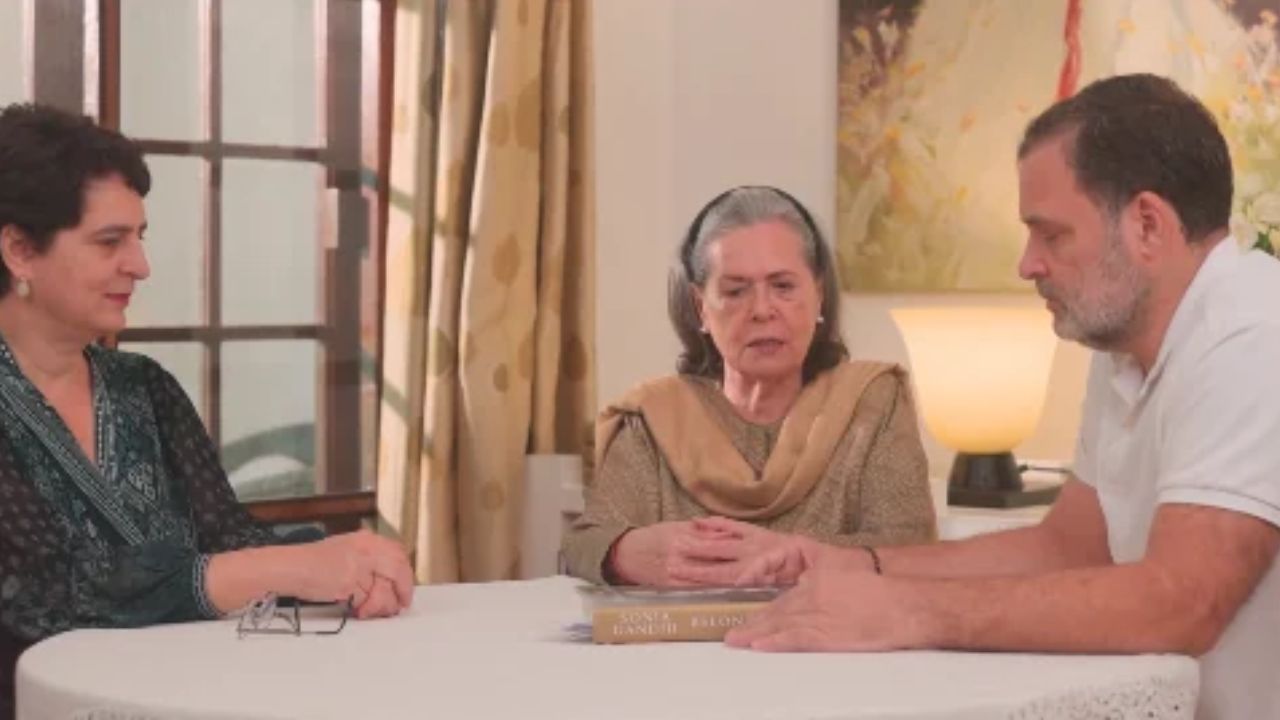
With the negotiations becoming increasingly complicated, political sources indicated that senior Congress leaders Rahul Gandhi and Priyanka Gandhi Vadra could intervene to help resolve the differences.
Their involvement could prove important in bridging the gap between the Congress's initial expectations and the SP's constituency-based approach. The possibility of the Congress eventually securing approximately 60-70 seats has emerged as one potential outcome of the prolonged negotiations, although no final agreement has been announced.
The coming rounds of discussions are therefore likely to involve more detailed assessments of individual constituencies, candidate profiles, regional vote shares and the electoral strength of both parties.
The current negotiations are taking place against the backdrop of the contrasting electoral experiences of the SP-Congress alliance.
The two parties contested the 2017 Uttar Pradesh Assembly elections together, with Congress fielding candidates in 107 constituencies but winning only seven. The SP secured 47 seats, while the BJP formed the government with a decisive mandate.
In the 2022 Assembly elections, the SP and Congress contested separately. The SP won 111 seats and emerged as the principal Opposition party, while Congress managed just two constituencies. However, the political equation changed significantly during the 2024 Lok Sabha elections.
Contesting together under the INDIA bloc umbrella, the SP won 37 parliamentary seats and Congress secured six of Uttar Pradesh's 80 constituencies, taking their combined tally to 43. The results strengthened the Opposition's position in the state and gave the Congress renewed confidence to seek a more substantial role in the next Assembly elections.
The Congress is also drawing attention to the 2017 seat-sharing arrangement, when it was allocated 107 constituencies, as it argues for a larger share in 2027. The SP, however, appears determined to ensure that the next arrangement is based on present-day electoral realities rather than historical allocations.