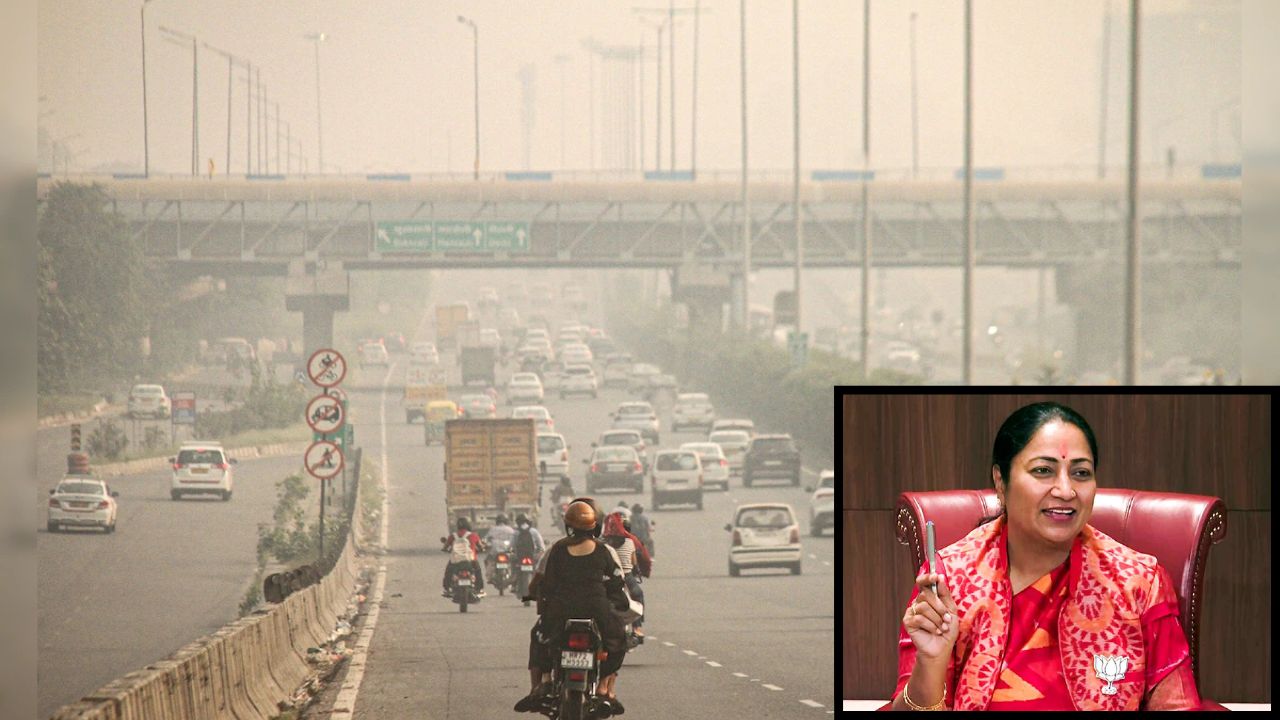
Mist technology uses water sprays to reduce dust pollution.
New Delhi: The Delhi government has announced an extensive plan to install 305 mist sprayers across nine pollution-prone areas of the city as part of its strategy to tackle worsening air quality. Chief Minister Rekha Gupta inspected 35 mist sprayers already installed at ITO, noting that early results from pilot trials in New Delhi Municipal Council areas have been encouraging.
Mist sprayer technology primarily involves spraying water in the air to reduce dust particles, which constitute a significant portion of Delhi’s pollution. The Chief Minister stated that the government plans to expand this technology across all major roads in the city to mitigate pollution, particularly during winter months when air quality tends to deteriorate rapidly.
In addition to mist sprayers, Delhi’s Environment Minister Manjinder Singh Sirsa emphasized the role of pothole repairs in controlling pollution. According to him, potholes not only generate dust but also slow traffic, causing vehicles to burn more fuel and contribute further to pollution. He announced that all potholes in Delhi-NCR will be repaired within 72 hours, with the Public Works Department responsible for mending damaged roads.
Opposition MPs protest against air pollution outside Parliament; Details here
Minister Sirsa further stated that industrial units causing pollution must comply with regulations within 20 days or face fines and potential closure. The measures are being implemented alongside the Graded Response Action Plan, which currently remains at level two in Delhi, indicating moderate air quality restrictions.
To ensure the effectiveness of pollution control measures, multiple government departments including the Delhi State Industrial and Infrastructure Development Corporation, the Delhi Development Authority, and the Municipal Corporation of Delhi have been instructed to undertake infrastructure improvements. These include carpet roads, filling potholes, planting foliage on road dividers, and sending sprinklers to construction and demolition sites to reduce dust.
All potholes in Delhi-NCR to be filled in 72 hours to curb pollution: Minister Manjinder Singh
Chief Minister Rekha Gupta announced the formation of a high-level expert committee comprising specialists from IITs, environmental scientists, and senior officials from government departments. The panel will be granted special powers to recommend pollution mitigation steps and monitor the implementation of various initiatives.
Residents and resident welfare associations are also being encouraged to play a part in improving air quality. The Chief Minister suggested distributing electric heaters to security personnel to prevent biomass burning in residential areas during winters. Additionally, the public is urged to report potholes via the Delhi government portal to ensure timely repairs and reduced dust pollution.
By combining mist spray technology, rapid pothole repairs, industrial compliance, and community participation, the Delhi government aims to take a holistic approach to air pollution control. With 305 mist sprayers planned for nine major hotspots and a focus on infrastructure and greenery, officials hope to significantly improve air quality and reduce health hazards for residents across the capital region.

