 English
 English

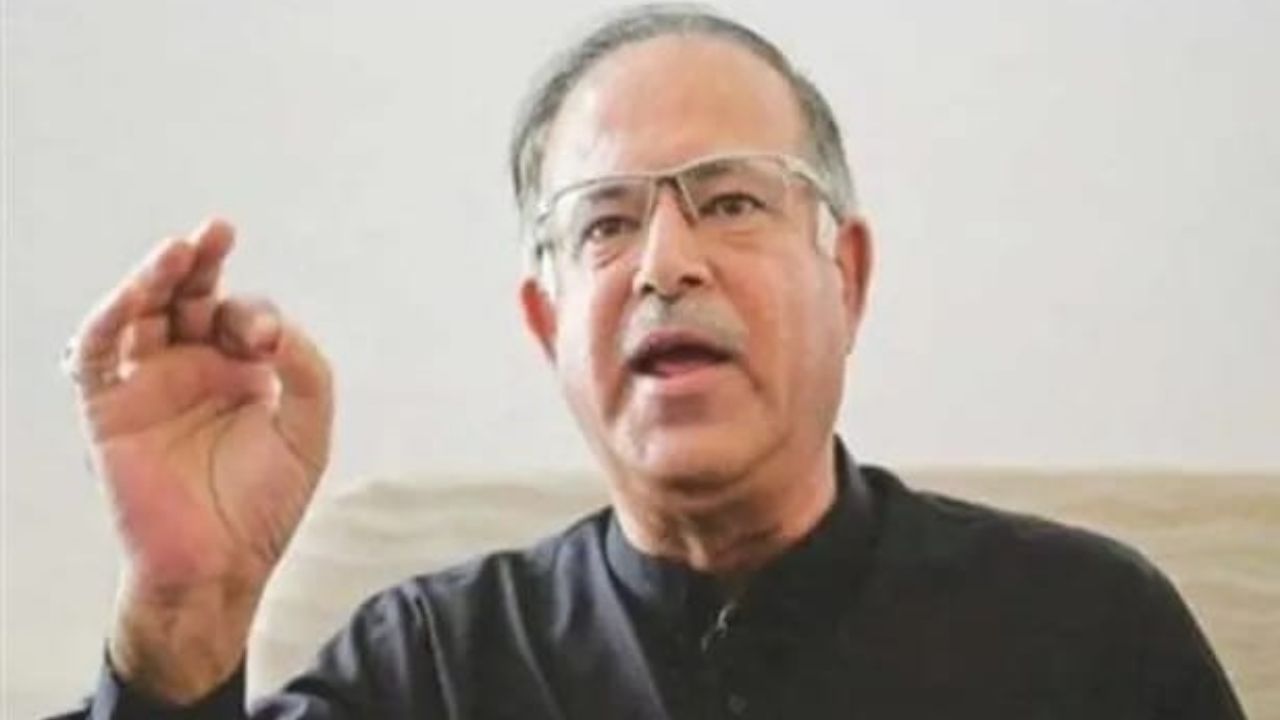
Farooq Abdullah’s remarks on Pakistan and the Kashmir issue spark a fresh political controversy in Jammu and Kashmir. (Img: Dynamite News)
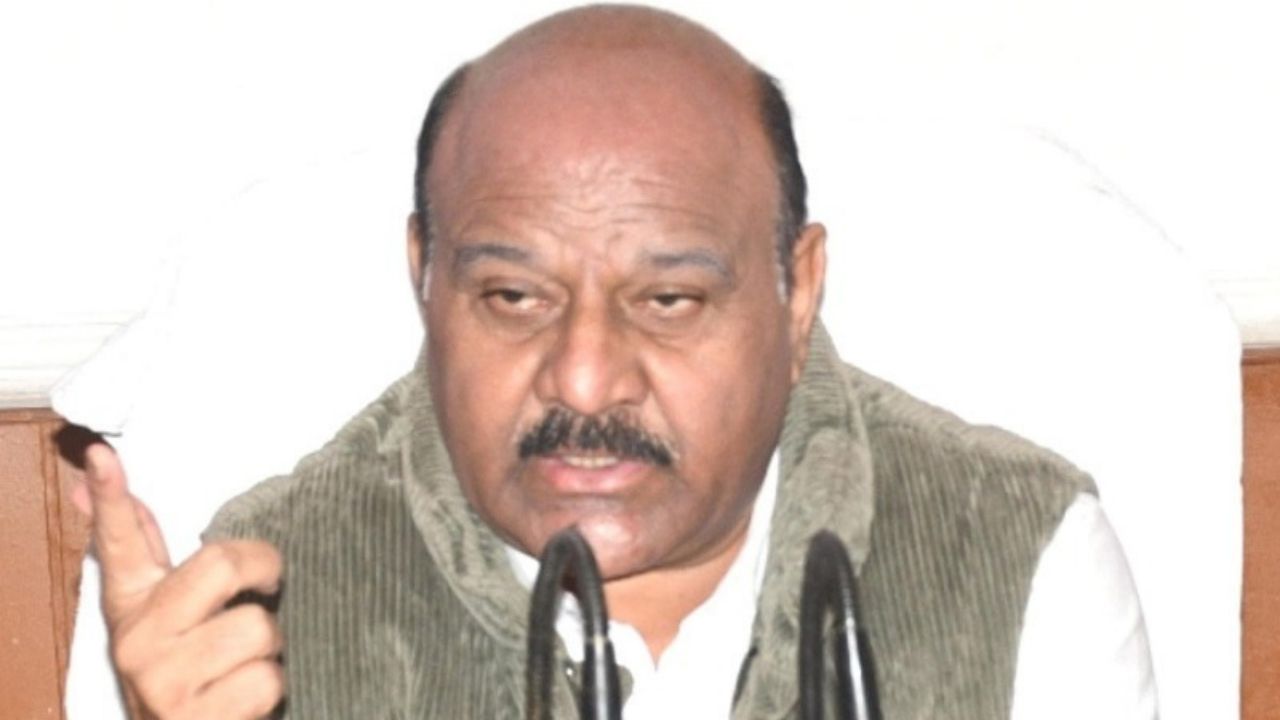
Srinagar: Political tensions in Jammu and Kashmir have intensified after Bharatiya Janata Party (BJP) leader and Leader of Opposition Sunil Sharma accused the ruling National Conference (NC) of facing internal differences and criticised party president Farooq Abdullah over his recent remarks concerning Pakistan and the Kashmir issue.
Sharma alleged that discontent was growing within the National Conference, potentially creating challenges for the party’s leadership and organisational unity. He also rejected suggestions that the BJP had approached NC legislators, while maintaining that the ruling party’s internal dynamics had come under increasing political scrutiny.
The allegations have added another dimension to the ongoing political contest in the Union Territory, where questions surrounding leadership, political stability, dynastic politics and governance continue to shape the debate between the ruling party and the opposition.
However, the claims of internal discord remain political allegations and cannot be treated as established fact without independent evidence or confirmation from the party’s legislators and leadership.
The latest exchange has also revived the long-running debate over dynastic politics in Jammu and Kashmir. The National Conference has played a significant role in the region’s political history, with members of the Abdullah family occupying prominent positions in the party and government over several decades.
Critics argue that the concentration of political influence within a single family raises questions about internal democracy, leadership succession and opportunities for emerging leaders. Supporters, meanwhile, point to the party’s historical significance and its enduring political base in the region.
Sharma’s allegations have brought these questions back into focus, although the existence of political disagreements within a party does not automatically establish a serious organisational split. The positions adopted by NC legislators, senior leaders and the party’s central leadership will be important indicators of whether the reported differences have any wider implications.
For the National Conference, maintaining cohesion within its legislative and organisational ranks remains important to its political standing. For the BJP, highlighting alleged divisions in the ruling party forms part of its broader opposition strategy. Any definitive assessment of an internal rift, however, would require evidence beyond statements made by political rivals.
The controversy escalated following Farooq Abdullah’s remarks at a National Conference workers’ convention in Baramulla district of north Kashmir on October 24.
Abdullah reportedly argued that Pakistan’s continued efforts to raise the Kashmir issue at international forums had helped keep the dispute in the global spotlight. He also questioned whether the people of Jammu and Kashmir could expect justice from the Centre.
The comments drew criticism from BJP leaders, who interpreted his remarks as giving undue credit to Pakistan for keeping the Kashmir issue alive. Sharma called for greater responsibility in public statements concerning sensitive national and security matters and questioned why investigating agencies had not taken action against Abdullah over what he described as objectionable remarks.
The exchange has intensified the political divide over how Jammu and Kashmir’s relationship with the Union government should be discussed, the role of Pakistan in the Kashmir dispute and the region’s broader political future.
Abdullah’s comments need to be assessed in their full context rather than through isolated interpretations. Alongside his criticism of the Centre, he also indicated that the people of Jammu and Kashmir had never denied their Indian identity. The distinction is significant in a region where political statements concerning Pakistan, national identity and the Kashmir dispute routinely attract intense public and political scrutiny.
While elected representatives have the democratic right to question government policy and express criticism, remarks on issues involving national security and India-Pakistan relations can carry substantial political consequences. The resulting debate also underscores the need to distinguish between criticism of a government’s approach and interpretations that suggest support for another country’s position.
Sharma also raised issues relating to the Jammu and Kashmir Cricket Association (JKCA) case and alleged impropriety involving Jammu and Kashmir Bank, widening the scope of the political confrontation.
Such allegations require careful scrutiny and must be distinguished from verified investigative findings or judicial conclusions. Political accusations, questions raised in public debate and formal findings by investigative agencies are separate categories and should not be treated as interchangeable.
Any credible evidence of wrongdoing involving public institutions or individuals should be examined by the competent authorities in accordance with the applicable law and established investigative procedures. Such inquiries must remain impartial, transparent and evidence-based, irrespective of the political position or public profile of those concerned.
At the same time, allegations against public figures should not be regarded as proof of criminal conduct in the absence of substantiated findings. Respect for due process and the presumption of innocence remains essential to maintaining public confidence in investigative agencies and the justice system.
The controversy therefore raises broader questions about political accountability, institutional independence and the standards of evidence required when serious allegations are made against elected representatives or public officials.
Amid the political exchanges, the everyday concerns of people across Jammu and Kashmir remain central to the performance of the administration. Employment generation, opportunities for young people, the regularisation and welfare of casual and temporary workers, access to public services and the region’s broader development needs continue to influence public expectations.
Political stability can help create an environment in which administrative priorities receive sustained attention. The National Conference-led government will ultimately be assessed on its delivery of public services, progress on employment, implementation of commitments and response to the concerns of local communities.
The BJP, as the principal opposition in the Jammu and Kashmir Assembly, also has a significant role in scrutinising government decisions, raising public grievances and presenting credible policy alternatives.
Effective opposition requires more than criticism of the ruling party. Allegations and political challenges carry greater weight when supported by verifiable facts, documentary evidence and clear explanations of their implications for public administration. For voters, the central question is whether political competition translates into measurable improvements in governance and public welfare.
The latest confrontation between Sharma and Abdullah illustrates the intensity of Jammu and Kashmir’s political discourse, where questions of national identity, the Kashmir dispute, dynastic leadership and allegations of impropriety frequently become central to political debate.
Political disagreement is an established feature of democratic governance. However, claims of a party split, accusations of wrongdoing and demands for investigative action need to be supported by credible evidence and assessed through appropriate institutional processes.
If differences are emerging within the National Conference, the conduct of its legislators, the response of its leadership and any demonstrable changes in its organisational functioning will provide a clearer picture than competing political claims. Similarly, allegations involving public institutions must be examined by the relevant authorities on the basis of evidence and law.
A healthy democratic system depends on meaningful competition between political parties, scrutiny of those in power and respect for institutional procedures. Political leaders are expected to communicate responsibly, address public concerns and remain accountable for their statements and actions.
Ultimately, the significance of this controversy will be determined not simply by the exchange of allegations between the BJP and the National Conference, but by whether the political debate produces greater transparency, stronger accountability and tangible progress on the issues affecting the people of Jammu and Kashmir.