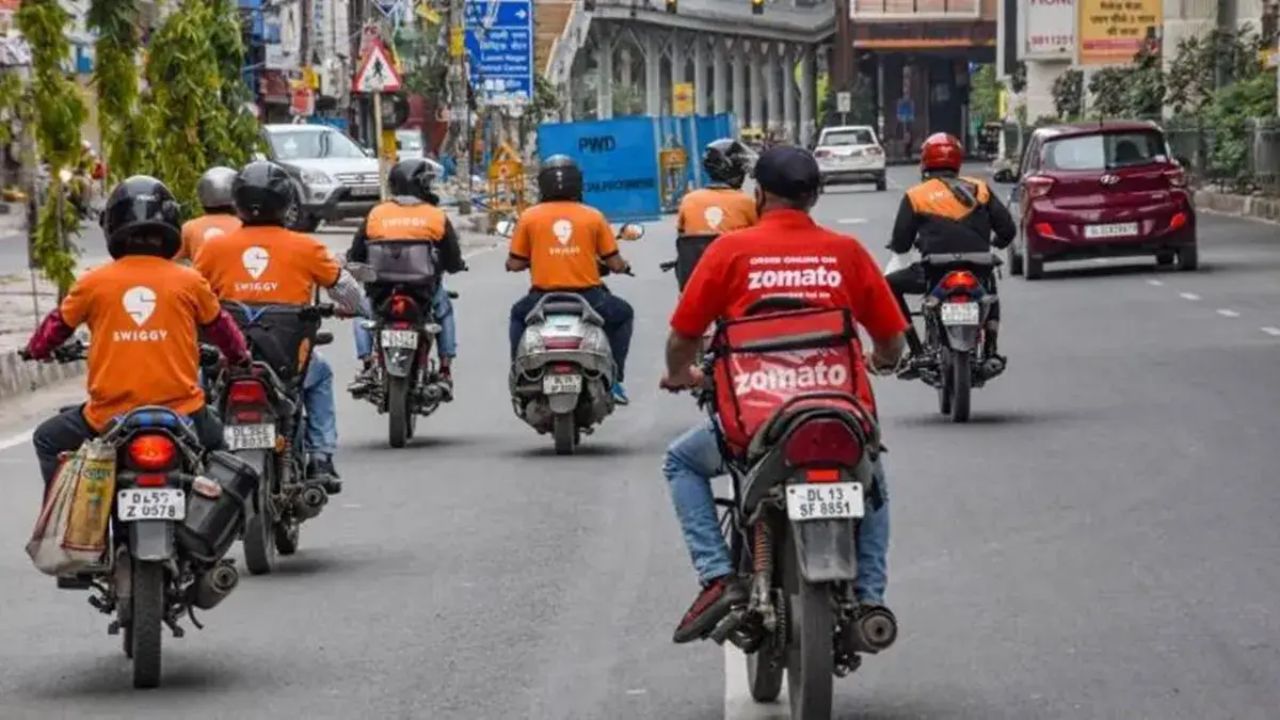
App-Based Workers Launch Online Strike
New Delhi: Gig and platform service workers across the country shut down their mobile apps for a day on Monday. This nationwide online strike was called by the Gig and Platform Service Workers Union (GIPSWU). The union described it as the first phase of a movement against exploitation, insecurity, and an uncertain future in the platform economy. According to the union, this online protest will be followed by physical demonstrations in several cities across the country on February 3rd.
According to GIPSWU, millions of gig workers from ride-hailing, food and grocery delivery, domestic services, beauty and wellness, logistics, e-commerce, and digital services participated in this 'app switch-off' strike. By stopping work for a day, the workers sought to draw the attention of platform companies and the government to their demands.
Zomato & Swiggy’s major announcement brings pay boost for gig workers
The union stated that a large number of female gig and platform workers are leading this movement. They say that women face additional challenges in app-based work. These include security risks, lack of respect, and legal protection. The union alleges that women who demand better pay or safer working conditions are often harassed or subjected to violence. Companies then block their worker IDs, depriving them of their livelihoods.
GIPSWU National President Seema Singh said that the union has repeatedly raised its demands with the central government, but no concrete action has been taken so far. Their key demands include granting gig and platform workers the status of "worker" under a separate central law, prohibiting unreasonable ID blocking, a transparent rating and work allocation system, improved pay rates, and an effective grievance redressal system. Furthermore, they also demand the implementation of an Internal Complaints Committee (ICC) for women in workplaces.
Will Blinkit-Zepto 10-minute delivery be banned? Here’s what gig workers demand
The union has also raised questions about recent government announcements regarding platform work. They say that no written orders or clear guidelines have been issued regarding these announcements, leading to confusion and insecurity among workers.
The union has clarified that the online strike is only the beginning. On February 3rd, gig workers will take to the streets in various parts of the country to stage physical demonstrations. The aim is to draw the public and the government's attention to the long-pending demands of gig workers.

