India’s Seventh Major FTA Boosts Economic Ties with New Zealand
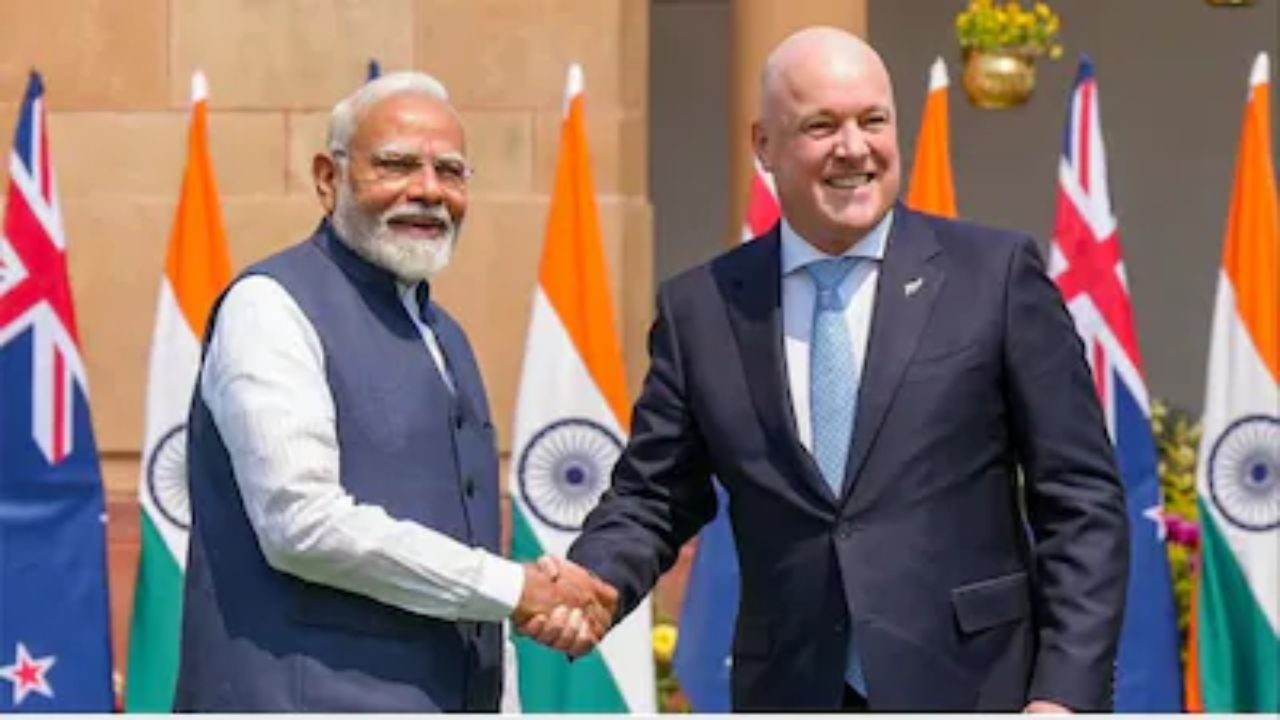
New Delhi: India and New Zealand have announced a significant Free Trade Agreement (FTA). The announcement was made during a telephone conversation between Prime Minister Narendra Modi and New Zealand Prime Minister Christopher Luxon. The negotiations, which began in March 2025, were completed in just nine months, reflecting the political will and strategic understanding of both countries.
Both leaders agreed that bilateral trade would be doubled within the next five years after the FTA comes into effect. This will give new impetus to trade, investment, innovation, and supply chain cooperation. This agreement will take India and New Zealand's economic relations to new heights.
Under the agreement, New Zealand will invest $20 million in India over the next 15 years. This investment will create opportunities in sectors such as agriculture, dairy, food processing, education, technology, and startups. Experts believe this will strengthen businesses and create employment opportunities in both countries.
This agreement with New Zealand is India's seventh major FTA. India has previously signed agreements with Oman, the UAE, the UK, Australia, Mauritius, and the EFTA countries. This series of agreements demonstrates that India is rapidly emerging as a reliable global trading hub.
Experts believe that India's continued pursuit of new FTAs, especially during a time of protectionist and tariff-focused policies in the US, particularly under Donald Trump, presents an alternative and open model for global trade. The India-New Zealand FTA is another strong step in this direction.
The FTA will not only strengthen trade relations between India and New Zealand but will also establish India as a reliable and open platform in global trade. New opportunities for investment, employment, and technological cooperation will open up, promoting economic stability and cooperation between the two countries.

